
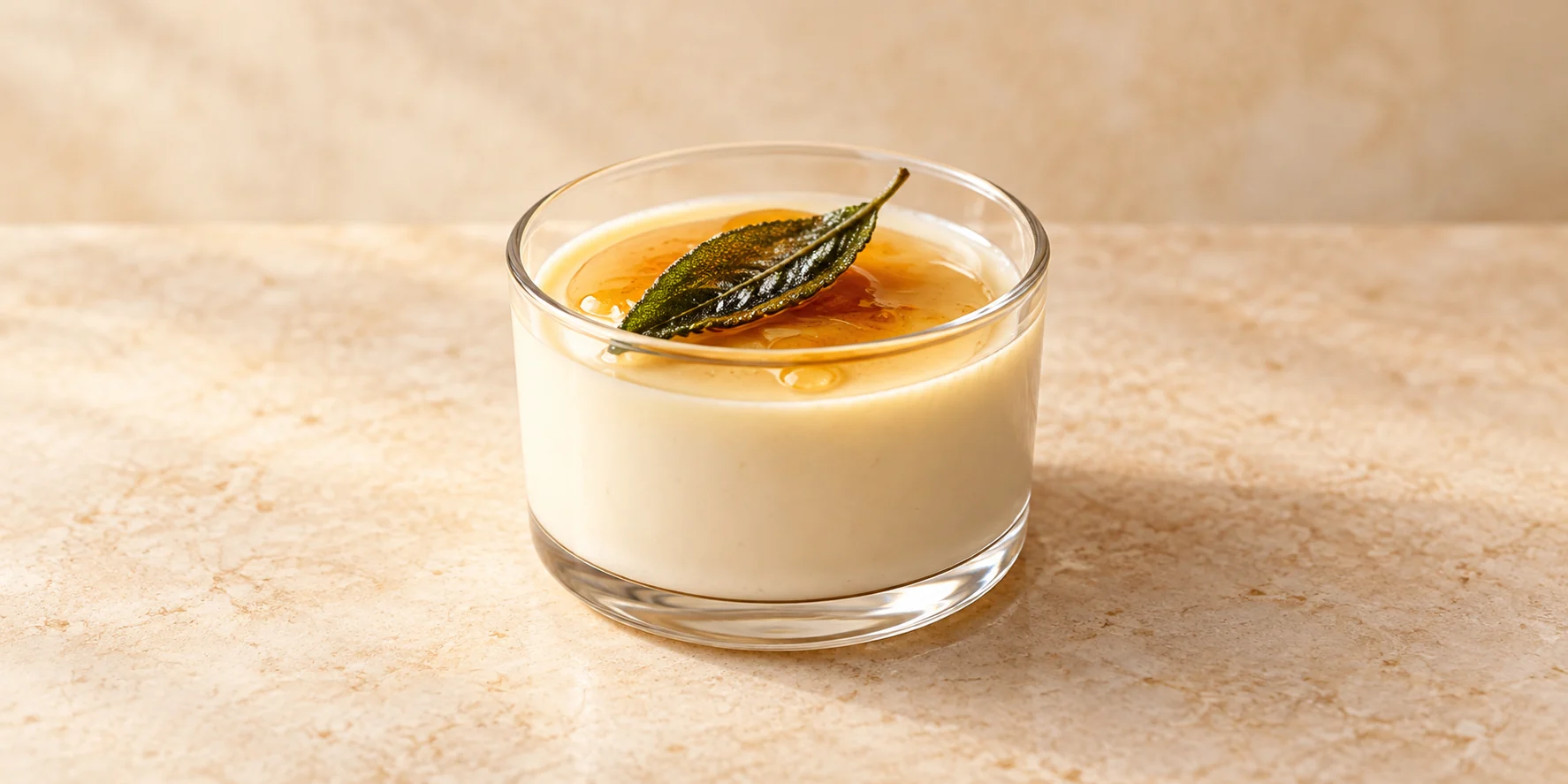
Panna cotta de salvia y miel
Una panna cotta italiana sedosa infusionada suavemente con salvia y endulzada con miel—el borde sabroso de la hierba mantiene la crema elegante en lugar de empalagosa.
Esta panna cotta toma un postre italiano clásico y le da un giro sutilmente sabroso. Infusionar unas hojas de salvia en la crema tibia aporta una base herbácea suave que mantiene el flan endulzado con miel refinado y adulto en lugar de demasiado dulce.
La salvia y la miel son una combinación natural—la calidez resinosa de la hierba y la redondez floral de la miel evocan una soleada ladera mediterránea en una sola cucharada. La combinación resulta a la vez reconfortante y un poco inesperada.
Infusiona la crema con suavidad y cuélala con cuidado para capturar el sabor aromático sin nada de hoja ni amargor. El flan debe quedar perfectamente liso y pálido, con apenas un susurro de hierba sabrosa en el final.
Sírvela bien fría, desmoldada o en copas, con un chorrito de miel extra y quizá una hoja de salvia frita crujiente como decoración llamativa. Como la salvia contiene naturalmente tujona, mantén la infusión liviana—este postre usa apenas unas hojas, ideal para un disfrute relajado y moderado.
Ingredientes
- 2 tazas de crema de leche
- 1/2 taza de leche entera
- 8 hojas de salvia fresca (o 1 cda de salvia seca)
- 3 cdas de miel, más un poco para servir
- 2 cdtas de gelatina en polvo
- 3 cdas de agua fría
- 1 cdta de extracto de vainilla
- Una pizca de sal
Preparación
- 1Calentar la crema, la leche y las hojas de salvia hasta que hiervan suavemente. Retirar del fuego, tapar e infusionar 15 minutos. Colar la salvia.
- 2Espolvorear la gelatina sobre el agua fría y dejar hidratar 5 minutos.
- 3Recalentar suavemente la crema infusionada, luego incorporar la miel, la vainilla, la sal y la gelatina hidratada batiendo hasta disolver por completo (no hervir).
- 4Verter en 4 moldes o copas. Dejar enfriar a temperatura ambiente.
- 5Refrigerar al menos 4 horas, o hasta que cuaje.
- 6Para servir, rociar con miel extra y decorar con una hoja de salvia frita crujiente si se desea.
¿Quieres saber más sobre Salvia? Visita su ficha completa.
Volver a SalviaTambién te puede gustar
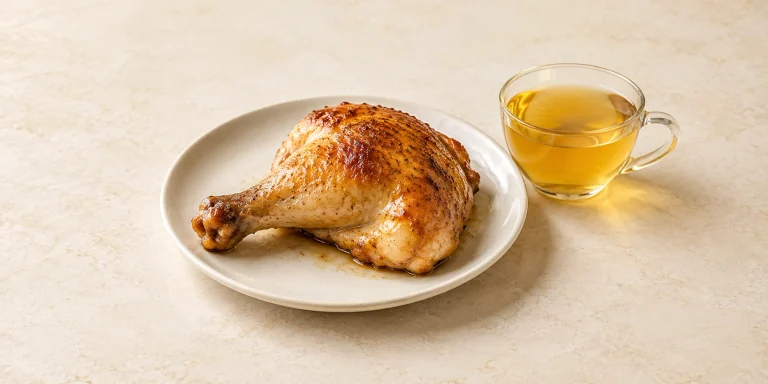
Qué comer con té de salvia
El perfil sabroso, ligeramente alcanforado y herbáceo de la salvia marida naturalmente con comida reconfortante mediterránea—aves asadas, pasta con mantequilla, panes contundentes y quesos curados.
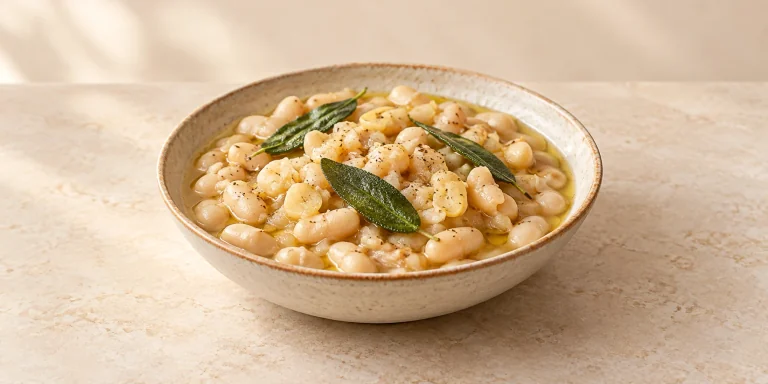
Frijoles blancos braseados en té de salvia con ajo
Frijoles blancos cremosos braseados suavemente en una infusión sabrosa de salvia con ajo y aceite de oliva—un acompañamiento rústico mediterráneo, puro confort en un bol.