
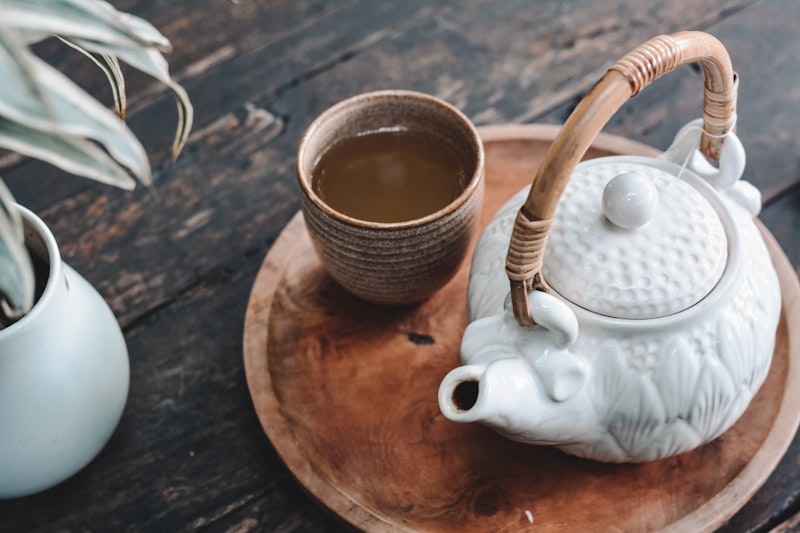
Scottish Breakfast
Black tea
About this tea
Scottish Breakfast is the boldest, maltiest member of the breakfast-tea family — a full-bodied black blend built to stand up to soft Highland water and a generous splash of milk. Traditionally heavy on Assam, with supporting leaf from Ceylon and sometimes Kenya or East Africa, it brews a deep mahogany cup with a brisk, malty, and robust character that is stronger than both English and Irish Breakfast. The blend evolved in Scotland, where notably soft water lets a more assertive tea shine without turning harsh. Today it remains the go-to morning brew for drinkers who want their first cup of the day to be powerful, warming, and unmistakably bracing.
How to brew: 100°C, 4 min, 3 g per cup.
Caffeine
High
How to brew
Flavor notes
malty, robust, intense, full-bodied
Often associated with
Strong wake-up, Energy
Best time to enjoy
Morning, Mid-morning
Tags
Origin & Production
Like all breakfast teas, Scottish Breakfast is a blend rather than a single-origin tea, and its identity comes from how the leaves are chosen and combined. The backbone is almost always Assam, the malty, full-bodied black tea from northeastern India that gives the blend its strength and rich color. Brisk Ceylon leaf adds brightness and structure, while robust African teas from Kenya or Rwanda are often included to push the body and briskness even further. The blend is specifically calibrated for Scotland's soft water, which has very low mineral content and allows a more intense, tannic tea to brew smoothly rather than bitterly.
Production process
Choosing a malty Assam base
Strong, full-bodied Assam leaf is selected as the foundation for its malty depth and deep color — the defining character of any Scottish Breakfast.
Adding brisk Ceylon
Bright, brisk Ceylon black tea is blended in to lend structure and a clean edge that keeps the heavy Assam from feeling flat.
Boosting with African leaf
Robust East African teas, often Kenyan, are frequently added to intensify the body and briskness, making this the strongest breakfast style.
Calibrating for soft water
The blend is balanced so it performs best in Scotland's famously soft, low-mineral water, which lets a stronger tea brew smoothly rather than astringently.
Blending & packing
The component teas are combined to a consistent recipe and packed as loose leaf or in bags, ready to deliver the same bold, malty cup every time.
History & Tradition
Scottish Breakfast is part of the British breakfast-tea tradition that took shape in the nineteenth century, when blenders began tailoring strong black teas to suit regional tastes and, crucially, regional water.
Tea reaches Scotland
Tea drinking spread through Scotland during the eighteenth century, becoming a daily fixture in homes from the Lowlands to the Highlands.
The breakfast blend idea
British blenders developed robust 'breakfast' blends designed to pair with hearty morning meals and stand up to milk, giving rise to English, Irish, and Scottish styles.
Assam takes the lead
As Assam tea from British India became widely available, it became the malty backbone of the strongest breakfast blends, including the Scottish style.
Soft water, strong tea
Scotland's distinctively soft water shaped the blend, allowing a notably stronger, maltier tea to be enjoyed smoothly — a regional identity that set it apart from its English cousin.
A recognized worldwide style
Scottish Breakfast is now sold by tea companies around the globe as the boldest breakfast option, sought out by drinkers who want maximum strength in their morning cup.
Health Benefits
Strong morning energy
With a high proportion of robust black tea, Scottish Breakfast delivers one of the higher caffeine levels among everyday teas, providing a strong, sustained lift to start a busy day.
Alert and focused
The natural caffeine and L-theanine in black tea work together to support clear, focused alertness, helping you feel switched on without the spike-and-crash of stronger stimulants.
Polyphenol antioxidants
Black tea is rich in theaflavins and other polyphenols, plant compounds traditionally valued for antioxidant activity that helps the body cope with everyday oxidative stress.
Warming and grounding
A strong, milky cup of Scottish Breakfast is deeply warming and comforting, the kind of grounding ritual that anchors a morning routine and provides a sense of steadiness.
Stands up to milk
Its malty strength means it holds its flavor even with a generous splash of milk, so you get a rich, satisfying cup rather than a watery one — ideal for a hearty breakfast.
Grades & Varieties
Loose leaf blend
Whole and broken Assam-led leaf blended with Ceylon and African teas. The loose format gives the fullest malty body and deepest mahogany color — the connoisseur's choice for a proper strong morning cup.
Best for
- ✓A bold morning brew
- ✓Serving with milk
- ✓Drinkers who like it strong
Tea bags
Smaller broken-grade leaf in bags that brew quickly and strongly. Slightly less nuanced than loose leaf but powerful and convenient — the everyday workhorse format.
Best for
- ✓Quick strong cups
- ✓Busy mornings
- ✓Mugs with milk and sugar
Decaffeinated
A decaffeinated version that keeps much of the malty, full-bodied character while removing most of the caffeine — suited to those who love the flavor but want to limit their intake.
Best for
- ✓Afternoon or evening cups
- ✓Caffeine-sensitive drinkers
- ✓Keeping the flavor, less caffeine
Did you know?
Scottish Breakfast is the strongest of the breakfast blends partly because it was calibrated for Scotland's famously soft water, which lets a bolder, maltier tea brew smoothly.
Foods with this tea
What to Eat with Scottish Breakfast Tea
The maltiest, boldest breakfast blend is built for a hearty plate—fried breakfasts, buttered toast, oatcakes, and rich baked goods all stand up to its strength.
Scottish Breakfast Tea-Braised Beef
Beef short ribs slow-braised in strong Scottish Breakfast tea with onions and root vegetables—the malty tannins build a deep, savory richness.
Scottish Breakfast Tea Loaf
A moist, fruit-studded tea loaf made by soaking dried fruit overnight in strong Scottish Breakfast—a classic British bake with a malty, spiced depth.
Drinks with this tea
Scottish Breakfast Spiced Milk Tea
A warming, malty milk tea gently spiced with cinnamon and a touch of honey—comforting fuel to anchor a busy morning.
Iced Scottish Breakfast with Honey and Lemon
A bold, refreshing iced tea made from strong-brewed Scottish Breakfast, sweetened with honey and brightened with lemon over plenty of ice.
Scottish Breakfast Whisky Tea Toddy
A warming hot toddy built on strong Scottish Breakfast and Scotch whisky with honey, lemon, and clove—plus a comforting alcohol-free version.