
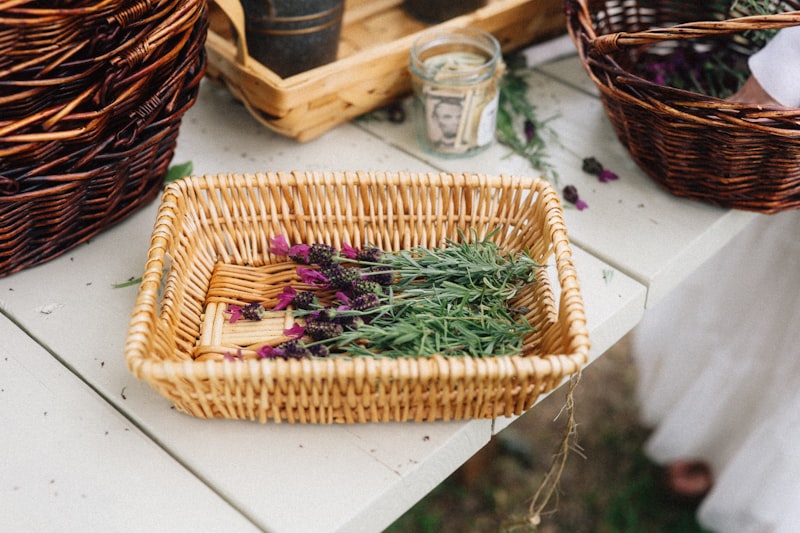
Elderflower
Herbal infusion
About this tea
Elderflower (Sambucus nigra) is a delicate, caffeine-free herbal tisane — not a true tea — made from the creamy-white blossoms of the European elder tree. Its aroma is unmistakably floral and honeyed, with a muscat-like sweetness reminiscent of grapes and ripe pears. For centuries elderflower has been treasured across Europe as a soothing seasonal comfort, especially during the cold-and-flu months. A key safety note runs through its whole history: only the flowers are used in food and drink — raw stems, leaves, and unripe berries of the elder are toxic and must be avoided.
How to brew: 95°C, 5 min, 2 g per cup.
Caffeine
None
How to brew
Flavor notes
floral, honeyed, sweet, delicate
Often associated with
Calm, Comfort
Best time to enjoy
Afternoon, Evening, After a meal
Tags
Origin & Production
The elder tree (Sambucus nigra) grows wild across temperate Europe, thriving in hedgerows, woodland edges, riverbanks, and untended corners of the countryside. It blooms in late spring and early summer, when its flat clusters of tiny cream-colored flowers fill the air with a heady, muscat-like perfume. Traditionally the blossoms are gathered by hand on dry, sunny mornings when their fragrance and pollen are at their peak. Because elder is so abundant and easy to identify, it has long been a foraged plant rather than a plantation crop — a true hedgerow treasure of European folk tradition.
Production process
Foraging the flowers
Only the open, fragrant flower heads are gathered — never the stems, leaves, or green berries, which are toxic. Harvesters pick on dry mornings to preserve the delicate aromatic oils and pollen.
Gentle shaking & sorting
The blossom clusters are gently shaken to remove insects and loose debris. They are sorted to leave behind as much of the bitter green stem as possible, keeping mainly the creamy florets.
Air-drying
For dried elderflower, the blossoms are spread in a single layer in a warm, shaded, well-ventilated space for several days until papery and crisp. Slow drying preserves the floral, honeyed aroma.
Cordial & infusion making
Fresh blossoms are often steeped with sugar, water, and citrus to make the famous elderflower cordial, while dried flowers are packed for tisanes. Both capture the muscat-floral signature of the flower.
Packaging & storage
Dried elderflower is packed in sealed, light-protected containers to guard its volatile fragrance. Kept dry and cool, it retains its delicate aroma for many months.
History & Tradition
The elder tree has been woven into European life since antiquity, valued in folk medicine, kitchen, and legend alike. Across the continent its blossoms were brewed into comforting infusions and cordials, especially as a gentle companion during the cold months.
Greek and Roman use
Classical writers such as Hippocrates and Pliny the Elder mentioned the elder tree among useful plants, and its blossoms were already part of early European folk practice for seasonal comfort.
The hedgerow medicine chest
Across medieval Europe the elder was called a country medicine chest. Its flowers were brewed into warming infusions traditionally taken during the cold-and-flu season, and the tree was surrounded by protective folklore.
Cordials and country wines
Elderflower cordial and elderflower wine became beloved staples of European country kitchens, especially in Britain, capturing the muscat-floral fragrance of the blossoms in a sweet, refreshing drink.
Folk remedy tradition
Through the 19th century, elderflower infusions remained a popular household comfort for chilly evenings, passed down in cookbooks and herbals across Europe as a soothing seasonal drink.
St-Germain liqueur
The launch of St-Germain elderflower liqueur introduced the blossom's delicate flavor to a new generation of bartenders and home cooks, sparking a worldwide revival of elderflower in drinks and desserts.
Health Benefits
Caffeine-free comfort
Elderflower is naturally caffeine-free, making it a gentle, soothing infusion that can be enjoyed at any hour — including the evening — without affecting sleep.
Seasonal soothing ritual
Traditionally enjoyed as a warm, honeyed cup during the cold-and-flu months, elderflower has long been a comforting companion for chilly days and a gentle wind-down at the end of the evening.
Naturally rich in plant compounds
Elder blossoms naturally contain flavonoids and other plant antioxidants that contribute to the flower's reputation as a wholesome, nourishing botanical in European tradition.
Gentle digestive companion
A warm, light cup of elderflower after a meal is a traditional way to round off dinner, offering a soft, fragrant moment of comfort that many find settling.
Calming floral aroma
The muscat-like, honeyed fragrance of elderflower lends itself to a calming wind-down ritual, helping to create a peaceful, unhurried atmosphere before bed.
Grades & Varieties
Whole dried blossoms
Loose, papery dried flower heads with the most delicate, true-to-life muscat-floral aroma. The classic format for brewing a fragrant, honeyed infusion at home. Use only the flowers — never stems or leaves.
Best for
- ✓Evening wind-down infusion
- ✓Loose-leaf brewing
- ✓Blending with mint or lemon balm
Cut blossom (tea bags)
Dried elderflower cut into uniform pieces for convenient tea bags. Slightly milder than whole blossoms but easy and consistent for everyday brewing during the cold months.
Best for
- ✓Daily comforting cup
- ✓Travel-friendly format
- ✓Quick seasonal infusion
Elderflower cordial / syrup
A sweet concentrate made by steeping fresh blossoms with sugar, water, and citrus. Diluted with still or sparkling water, it delivers the flower's signature muscat-floral sweetness in a refreshing drink.
Best for
- ✓Sparkling soft drinks
- ✓Cocktails and mocktails
- ✓Drizzling over desserts
Did you know?
Elderflower's muscat-like, honeyed aroma is so beloved that it inspired St-Germain liqueur, launched in 2007, which sparked a worldwide revival of the blossom in cocktails and desserts — but only the flowers are used, since the elder's raw stems, leaves, and unripe berries are toxic.
Foods with this tea
What to Eat with Elderflower Tea
Elderflower's delicate, honeyed, muscat-like character pairs beautifully with light pastries, fresh fruit, soft cheeses, and gentle spring dishes.
Elderflower-Glazed Roast Chicken with Spring Vegetables
Roast chicken brushed with a fragrant elderflower and lemon glaze, served with tender spring vegetables for a light, floral take on a classic Sunday roast.
Elderflower and Lemon Panna Cotta
A silky, wobbly panna cotta infused with elderflower and brightened with lemon—the flower's honeyed muscat fragrance turns a simple cream dessert into something elegant.
Drinks with this tea
Soothing Elderflower, Honey, and Lemon Infusion
A warm, honeyed elderflower infusion with lemon—the gentle, caffeine-free comfort drink that European households have reached for during the cold months for generations.
Sparkling Iced Elderflower Lemonade
Cold-brewed elderflower mixed with fresh lemon and sparkling water—a fragrant, muscat-floral summer cooler that tastes like a garden in a glass.
Elderflower Gin Spritz
A bright, floral spritz where elderflower-infused gin meets sparkling wine and fresh lime—plus an alcohol-free mocktail version everyone can enjoy.