
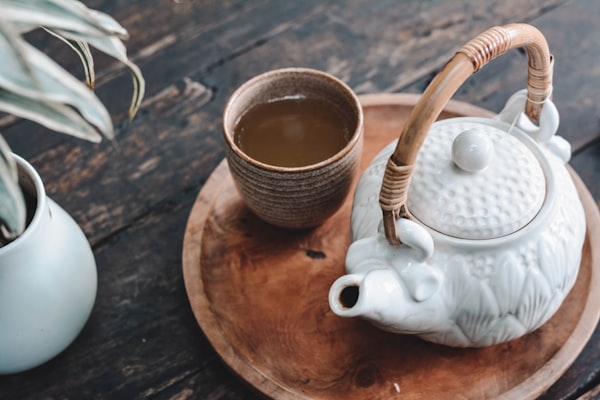
Coconut Black Tea
Black tea
About this tea
Coconut Black Tea is a flavored black tea that pairs a smooth, full-bodied black tea base with the creamy, tropical aroma of coconut — sometimes from natural coconut flavoring, sometimes blended with actual toasted coconut flakes or shavings. Unlike single-origin black teas prized for terroir, this is a flavored-tea creation: the leaf is chosen mainly as a malty, slightly brisk canvas, and the coconut character is what defines the cup. It has become one of the most recognizable flavored black teas worldwide, equally at home as a comforting hot cup and as the base for iced milk teas and bubble tea, where its natural creaminess plays especially well with milk, tapioca pearls, and sweeteners. The flavor reads as smooth and lightly sweet rather than sharp, with a tropical, toasted-coconut finish that lingers pleasantly without becoming cloying.
How to brew: 95°C, 3.5 min, 2.5 g per cup.
Caffeine
Medium
How to brew
Flavor notes
creamy, sweet, malty, smooth
Often associated with
Warmth, Sense of well-being
Best time to enjoy
Afternoon, Mid-afternoon, Evening
Tags
Origin & Production
Coconut black tea is not tied to a single growing region — it is a flavored tea, meaning a base black tea (commonly a Ceylon, Assam, or Keemun-style leaf chosen for body and a clean, malty backbone) is combined with coconut flavoring after the leaf has already been harvested and processed. The flavoring step typically happens at a separate facility from the tea garden, where natural coconut extract or nature-identical flavoring is sprayed or tumbled onto the dried leaf, sometimes alongside toasted coconut flakes added purely for aroma and visual appeal rather than for steeping strength. The style grew alongside the broader rise of flavored and tropical-fruit teas in the late 20th century, and gained a second wave of popularity more recently as a favorite base for milk tea and bubble tea menus, where its inherent creaminess reduces the need for added dairy or syrup. Quality varies: better versions use real coconut extract and a full-leaf base, while lower grades rely on artificial flavoring sprayed over tea dust or fannings.
Production process
Base leaf selection
A black tea with a smooth, rounded, low-astringency profile — typically Ceylon, Assam, or a milder Chinese black — is chosen as the base so the coconut aroma has room to come through without fighting strong tannins.
Coconut flavoring application
Natural or nature-identical coconut flavoring (liquid extract) is sprayed evenly onto the dried tea leaves in rotating drums, letting the aromatic compounds adhere to the leaf surface without significantly re-wetting it.
Resting and aroma fixation
Flavored leaves rest in sealed containers for 24–72 hours so the coconut aroma fully binds to the leaf, preventing the flavoring from tasting separate or 'sprayed-on' in the final cup.
Optional coconut inclusions
Some blends fold in lightly toasted coconut flakes or shavings after flavoring. These add visual appeal and a faint toasted note to the dry leaf, though most of the coconut character comes from the extract rather than the flakes themselves.
Quality control and blending
Batches are tasted and adjusted to balance coconut intensity with the base tea's malt character, avoiding a flavoring that tastes artificial, soapy, or overly sweet rather than naturally creamy.
Packaging and export
Finished tea is packed in sealed, aroma-protective containers and distributed globally as loose leaf or tea bags, with a large share going to cafés and bubble tea suppliers as a milk-tea base.
History & Tradition
Coconut black tea sits at the crossroads of two much older stories: the centuries-old global trade in black tea, and the more recent rise of flavored and tropical-themed teas as a category of their own.
Black tea production takes hold in South Asia
British colonial planters established commercial tea cultivation in Assam and later Ceylon, creating the large-scale black tea supply that flavored teas — including coconut blends much later — would eventually use as their base.
Flavored tea becomes a commercial category
Tea companies began systematically applying fruit and spice flavorings to black tea bases, building the technical groundwork — aroma-spraying and resting methods — that coconut tea production still relies on today.
Bubble tea is born in Taiwan
Tapioca pearl milk tea emerged in Taiwan, and tropical and dessert-style black tea flavors — coconut prominent among them — became natural fits for the sweet, creamy milk-tea base the new drink popularized.
Coconut flavor goes mainstream in Western cafés
As flavored teas expanded in North American and European specialty tea shops, coconut joined vanilla, caramel, and chai as a go-to comfort flavor for customers seeking a dessert-like black tea without added sugar.
Bubble tea boom drives global demand
The worldwide explosion of bubble tea shops pushed coconut black tea from a niche flavored-tea offering into a staple menu base, with many chains building signature coconut milk tea drinks around it.
Plant-based milk pairing accelerates popularity
The rise of coconut, oat, and other plant-based milks reinforced coconut black tea's popularity, since the tea's own coconut notes pair naturally with coconut milk for a richer, fully tropical milk-tea experience.
Health Benefits
Steady, moderate energy
As a true black tea, coconut black tea contains a moderate amount of caffeine alongside L-theanine, which together tend to produce a smoother, more sustained lift than coffee, without the sharp crash some people experience after coffee.
Polyphenols from the black tea base
The underlying black tea leaf supplies theaflavins and thearubigins, the polyphenol compounds responsible for black tea's color and much of the antioxidant activity studied in tea research generally.
A comforting, low-effort treat
Because the tea itself tastes naturally creamy and lightly sweet, it can satisfy a dessert-like craving with little or no added sugar — a simple way to enjoy a tropical, indulgent-tasting cup as part of a balanced routine.
Hydration with flavor variety
Like other brewed teas, coconut black tea contributes to daily fluid intake, and its distinctive tropical flavor makes it an easy substitute for sugary sodas or flavored drinks when people are looking to cut down on added sugar.
Calm focus from L-theanine
The amino acid L-theanine, naturally present in the Camellia sinensis leaf, is associated with a relaxed-but-alert state, which combined with the tea's moderate caffeine can support steady focus during work or study sessions.
Grades & Varieties
Natural coconut extract blend
Whole or broken black tea leaf flavored with natural coconut extract, producing a smooth, authentic coconut aroma without artificial sharpness. This is the standard found in better specialty tea shops.
Best for
- ✓Everyday hot cup
- ✓Milk tea and lattes
- ✓Drinkers new to flavored black tea
Coconut flake blend
Black tea leaf combined with visible toasted coconut flakes alongside flavoring, adding a light toasted aroma when dry and a slightly more textured, rustic presentation in the packet.
Best for
- ✓Gift tins and specialty blends
- ✓Iced coconut tea
- ✓Aromatic loose-leaf brewing
Bubble tea / boba base grade
A robust, often CTC-style (crush-tear-curl) black tea base flavored more intensely with coconut, designed to brew strong and hold up against milk, sweetener, and tapioca pearls without losing flavor.
Best for
- ✓Bubble tea and boba shops
- ✓Iced milk tea concentrate
- ✓Sweetened, large-format servings
Did you know?
Coconut black tea rode two separate waves of popularity: first joining vanilla, caramel, and chai as a Western café comfort flavor in the 1990s-2000s, then getting a second life as a favorite base for Taiwanese-style bubble tea.
Foods with this tea

What to Eat with Coconut Black Tea
Coconut black tea's creamy, tropical sweetness loves toasted baked goods, fruit, and light desserts — here's how to build the perfect pairing plate.
Coconut Black Tea-Brined Roast Chicken with Lime
A whole roast chicken brined in coconut black tea and lime, delivering a subtly tropical, deeply savory bird with crisp skin and juicy meat.
Coconut Black Tea and Mango Panna Cotta
A silky panna cotta infused with coconut black tea, layered with fresh mango purée — a tropical, lightly sweet dessert that doubles down on the tea's own flavor.
Drinks with this tea

Coconut Black Tea Latte with Turmeric
A creamy, golden-flecked coconut black tea latte with turmeric and a touch of honey — a comforting, lightly spiced ritual for a steady afternoon lift.
Iced Coconut Black Milk Tea with Tapioca Pearls
A classic bubble-tea-style iced coconut black tea with milk and chewy tapioca pearls — sweet, creamy, and endlessly customizable.
Coconut Black Tea Painkiller Cocktail
A tropical, rum-forward cocktail built on coconut black tea, pineapple, and orange — a tea-infused twist on the classic painkiller, with an easy non-alcoholic version.