
Rose
Herbal infusion
About this tea
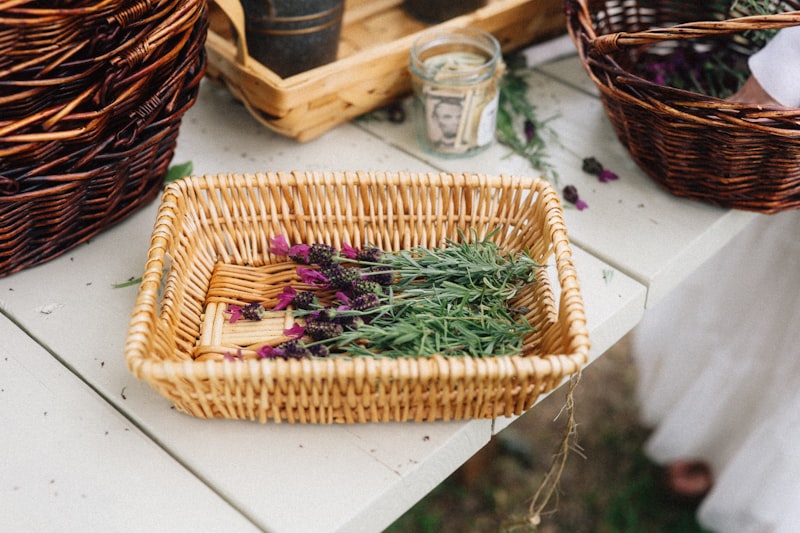
Rose tea is a delicate, fragrant herbal tisane — not a true tea — made from the dried petals (and sometimes buds) of edible rose varieties, most commonly Rosa damascena (Damask rose) and Rosa centifolia (cabbage rose). The infusion is pale pink to deep amber, with a soft floral aroma, honeyed sweetness, and a gentle astringency reminiscent of lychee. Roses have been used as food, perfume, and medicine for over five millennia, and their petals are rich in polyphenols, anthocyanins, and the same fragrant compounds (geraniol, citronellol, eugenol) that make rose absolute one of the world's most prized perfume ingredients. Rose petals are very safe; the only practical caveats are to buy untreated culinary-grade petals (florist roses are heavily sprayed) and to distinguish dried petals from rosehip preparations, which use a different part of the plant.
How to brew: 90°C, 4 min, 2 g per cup.
Caffeine
None
How to brew
Flavor notes
floral, sweet, aromatic
Often associated with
Gentle relaxation, Calm
Best time to enjoy
Mid-afternoon, Evening
Tags
Origin & Production
Edible rose petals come overwhelmingly from a handful of historic growing regions. Iran is the ancestral home of Rosa damascena and still produces enormous volumes of rose petals, rose water, and rose oil. Turkey's Isparta region and Bulgaria's Rose Valley (around Kazanlak) are world-famous for their Damask rose harvests, with picking traditionally beginning before sunrise to capture the maximum aromatic compounds. Morocco's Dadès Valley around Kelaat M'Gouna hosts an annual rose festival celebrating the local harvest. Chinese and Indian roses (often Rosa rugosa and Rosa centifolia) supply major Asian markets.
Production process
Cultivation
Edible rose bushes are propagated from cuttings and grown organically wherever possible — petals destined for food and tea cannot tolerate the pesticides used on ornamental flower roses. Plants are pruned in winter to encourage spring flowering.
Dawn harvest
In Isparta, Kazanlak, and Kelaat M'Gouna, roses are picked by hand between roughly 4 and 9 a.m. The cool morning hours capture the highest concentration of volatile aromatic compounds before the sun evaporates them.
Petal separation
Within hours of harvest, petals are separated from the calyx and any green or damaged petals are discarded. Speed is critical — fermentation begins quickly in fresh petals and damages the aroma.
Shade-drying
For tisane, petals are spread in single thin layers and dried in ventilated shade at temperatures below 35°C, preserving color, aroma, and delicate polyphenols. Direct sunlight bleaches petals and destroys their fragrance.
Packaging
Dried petals are packed in airtight, opaque containers immediately after cooling. Whole-petal grades are kept loose with minimal handling; broken pieces are sieved for use in tea bags and blends.
History & Tradition
Roses have been cultivated, drunk, eaten, and distilled across the Mediterranean and the Islamic world for at least five thousand years — from Sumerian poetry through Persian rose-water to modern speciality teas.
Sumerian and Egyptian use
Roses appear in Sumerian poetry and Egyptian tomb art. Cleopatra famously had her chambers and the sails of her ship perfumed with rose petals.
Persian rose distillation
The Persian polymath Avicenna (Ibn Sina) refined the steam distillation of rose petals to produce rose water and rose essential oil — innovations that would dominate the perfume and medicinal trades for the next millennium.
Bulgarian Rose Valley
Damask roses were established in the valley around Kazanlak under Ottoman rule. The 'Rose Valley' would go on to become one of the world's most important sources of rose oil and edible petals.
Chinese medicinal tradition
Rose buds (Mei Gui Hua, from Rosa rugosa) became a key herb in Traditional Chinese Medicine for moving liver qi and supporting emotional balance, taken as both a standalone tisane and in blends.
Modern phytochemical research
Contemporary studies document the antioxidant, anti-inflammatory, and anxiolytic activity of Rosa damascena extracts in laboratory and small clinical settings, supporting its long-standing reputation as a calming and uplifting plant.
Health Benefits
Calm and uplift
Rose petal infusion is one of the most traditional aromatherapy beverages — its volatile compounds (citronellol, geraniol, phenylethanol) are associated with subjective improvements in mood and calm in small clinical and aromatherapy studies.
Polyphenol antioxidants
Rose petals are rich in flavonoids, anthocyanins, and gallic acid. Laboratory studies show meaningful antioxidant activity that contributes to cellular defense against oxidative stress.
Digestive comfort
Mild tannins and aromatic compounds in rose petals have a gentle astringent and antispasmodic effect, traditionally enjoyed after meals or paired with sweet desserts.
Skin and hydration ritual
Rose petal water has been used externally for skin care for centuries, and the same anti-inflammatory polyphenols extracted into a tisane support the gentle, hydrating ritual of drinking floral water throughout the day.
Safety & considerations
Rose petal tea is generally very safe. Two practical points: only use food-grade, untreated petals — florist roses are heavily sprayed with pesticides and must never be brewed. And rose petals are a different product from rosehips: rosehip teas need their irritant inner seed hairs removed by the producer, while petal teas do not.
Grades & Varieties
Damask rose petals (Rosa damascena)
Shade-dried Damask petals from Iran, Turkey, or Bulgaria. The gold standard for floral tisane and rose oil — intensely fragrant, with deep pink color and a balanced honeyed sweetness.
Best for
- ✓Standalone floral infusion
- ✓Premium rose blends
- ✓Pairing with black or green tea
Mei Gui Hua rose buds (Rosa rugosa)
Whole dried rose buds picked just before opening, traditional in Chinese herbal medicine. The buds release a deeply purple-pink infusion with a softer, more honeyed character and gentle astringency.
Best for
- ✓Traditional Chinese rose tea
- ✓Pairing with sweet desserts
- ✓Floral blends with lychee or pu-er
Cabbage rose petals (Rosa centifolia)
Pale pink, many-petalled flowers traditionally grown in Grasse, France and Kelaat M'Gouna, Morocco. Petals are softer in aroma than Damask, with a delicate, candy-like floral character ideal for blending.
Best for
- ✓Light floral infusions
- ✓Blending with white or oolong tea
- ✓Garnishing desserts
Did you know?
In Bulgaria's Rose Valley around Kazanlak, the Damask rose harvest begins before sunrise — roughly 3,000 to 4,000 fresh rose blossoms are needed to produce a single gram of rose essential oil, making it one of the most precious essential oils in the world.
Foods with this tea
What to Eat with Rose Tea
Rose tea's delicate floral perfume pairs beautifully with Persian rice dishes, cardamom-spiced sweets, pistachio shortbread, and fresh berries with cream.
Persian-Style Rose and Saffron Chicken with Barberry Rice
Chicken thighs braised in rose tea and saffron, served over fragrant basmati rice studded with tart barberries and pistachios—deeply aromatic and weeknight-friendly.
Rose and Cardamom Rice Pudding with Pistachios
A creamy, gently sweet rice pudding infused with rose tea and cardamom, finished with chopped pistachios and dried rose petals—Persian comfort in a bowl.
Drinks with this tea
Rose Honey Heart Tonic with Cardamom
Dried rose petals brewed with green cardamom, raw honey, and a splash of warm milk—a gentle, fragrant tonic borrowed from Ayurveda for emotional calm and beauty.
Iced Rose Strawberry Lemonade
Cold-brewed rose petals blended with muddled strawberries, fresh lemon, and a touch of honey—a fragrant, blush-pink lemonade that tastes like a summer garden.
Rose Gin Fizz with Cucumber
Gin shaken with rose water, fresh lemon, and cucumber, topped with soda for a long, floral, gently bubbling cocktail that drinks like an English garden in summer.