
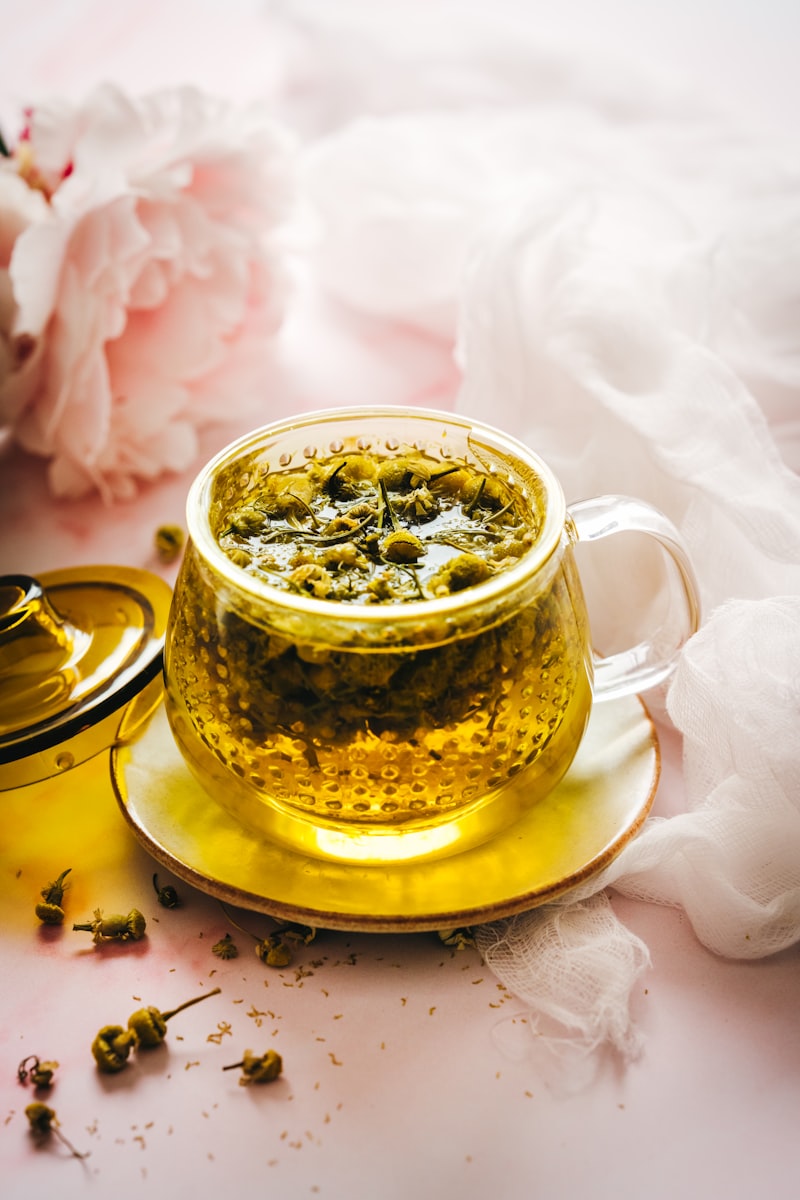
Kukicha
Green tea
About this tea
Kukicha (茎茶), also known as twig tea or bocha, is a uniquely Japanese green tea made not from leaves but from the stems, stalks, and twigs of the Camellia sinensis plant left over from sencha and gyokuro production. This humble origin gives kukicha its remarkably low caffeine content and a smooth, creamy, nutty character with a mild sweetness and almost no bitterness. Because it is so gentle, kukicha has long been the everyday tea served to children and the elderly across Japan, sipped freely throughout the day and especially after meals. Its soft straw-yellow liquor and soothing, grassy-sweet aroma make it one of the most comforting and approachable of all Japanese teas.
How to brew: 75°C, 2 min, 5 g per cup.
Caffeine
Low
How to brew
Flavor notes
nutty, creamy, smooth, toasted
Often associated with
Calm, Gentle relaxation
Best time to enjoy
Afternoon, Evening, After a meal
Tags
Origin & Production
Kukicha comes from the same tea gardens that produce Japan's finest sencha and gyokuro, since it is made from the stems and twigs separated during the sorting of those leaf teas. The Uji region of Kyoto is especially prized for its shaded kukicha (karigane), made from the stalks of gyokuro and high-grade sencha. Shizuoka, Japan's largest tea-growing prefecture, and the southern gardens of Kagoshima also produce abundant kukicha. Because the twigs and stems store nutrients and sweetness for the plant, kukicha carries a distinctive creamy, mellow flavor that differs entirely from leaf-based green teas.
Production process
Plucking the leaf tea
The tea bushes are harvested for sencha or gyokuro, gathering whole shoots that include leaves, stems, and small twigs together.
Steaming
Like all Japanese green teas, the fresh shoots are steamed within hours of plucking to halt oxidation and lock in the green color and fresh aroma.
Separating stems from leaves
During processing and sorting, the stems, stalks, and twigs are mechanically separated from the rolled leaves that become sencha or gyokuro.
Sorting and grading the twigs
The collected stems are graded by size and origin. Stalks from shaded gyokuro and premium sencha are set aside as the finer karigane grade.
Light roasting (optional)
Some kukicha is gently roasted to develop a warmer, toastier flavor, while green (unroasted) kukicha keeps its fresh, grassy-sweet character.
Blending and packing
The finished twig tea is blended for consistency and packed, ready to brew at a gentle 70–80°C for a smooth, low-caffeine cup.
History & Tradition
Kukicha was born from the Japanese spirit of mottainai — the reluctance to waste anything of value. What began as a thrifty use of leftover stems became a beloved everyday tea in its own right, cherished for being gentle enough for the whole family.
A tea of thrift
As sencha production spread across Japan during the Edo Period, the stems and twigs left from sorting were brewed by farming families rather than discarded, giving rise to everyday twig tea.
Karigane and Uji stalks
In the Uji tea region, the prized stalks of gyokuro and high-grade sencha became known as karigane, sought after for their sweetness and refinement.
An everyday household tea
As Japanese tea became more widely traded, kukicha settled into homes as an affordable, gentle daily tea served to children and the elderly because of its low caffeine.
Macrobiotic discovery
Through the macrobiotic movement led by George Ohsawa, roasted kukicha was introduced to Western audiences as a soothing, alkalizing, low-caffeine daily beverage.
Global appreciation
Today kukicha is enjoyed worldwide by tea lovers seeking a smooth, nutty cup with minimal caffeine, suitable for evening drinking and sensitive palates alike.
Health Benefits
Naturally low in caffeine
Because the stems and twigs hold far less caffeine than the leaves, kukicha is traditionally enjoyed in the evening and by those who prefer a gentle, calming cup.
Gentle and soothing
Its mild, creamy character and warming nature make kukicha a comforting tea to sip while winding down, traditionally valued as a relaxing everyday companion.
After-meal digestive comfort
In Japan kukicha is a classic post-meal tea, sipped to feel light and settled, and traditionally associated with a sense of digestive ease.
Antioxidant-rich
Like other green teas, kukicha contains catechins and polyphenols, plant compounds traditionally associated with everyday wellbeing and antioxidant support.
Calm without the jitters
Kukicha naturally contains the amino acid L-theanine alongside very little caffeine, a combination traditionally linked to a relaxed, settled sense of calm.
Grades & Varieties
Karigane (premium twig)
The finest kukicha, made from the stalks of shaded gyokuro and top-grade sencha. Exceptionally sweet, creamy, and full of umami, with a refined, mellow character.
Best for
- ✓Savoring a delicate umami cup
- ✓Evening wind-down
- ✓Tea lovers new to twig tea
Green kukicha (unroasted)
The classic everyday twig tea with a fresh, grassy-sweet, lightly nutty flavor and pale straw liquor. Smooth, gentle, and very low in caffeine.
Best for
- ✓Daily all-day sipping
- ✓Drinking with the whole family
- ✓After-meal refreshment
Roasted kukicha (kuki-hojicha)
Twig tea gently roasted to a warm amber, with toasty, nutty, almost caramel notes and even lower caffeine. Comforting and especially soothing in the evening.
Best for
- ✓Bedtime and late-evening cups
- ✓Warming winter drinking
- ✓A caffeine-light comfort tea
Did you know?
Kukicha is made from the stems and twigs left over from sencha and gyokuro, which is why it is so low in caffeine that it is traditionally served to children in Japan.
Foods with this tea

What to Eat with Kukicha Twig Tea
Kukicha's smooth, nutty, low-caffeine character makes it a gentle partner for delicate Japanese dishes, steamed rice, mild cheeses, and lightly sweet treats.
Kukicha Twig Tea Ochazuke with Salmon
A soothing bowl of steamed rice topped with flaked salmon and seasonings, finished by pouring hot, nutty kukicha tea over the top—Japanese comfort food at its gentlest.
Kukicha and Brown Sugar Panna Cotta
A silky, lightly set panna cotta infused with nutty kukicha twig tea and finished with a kurozato brown sugar syrup—gentle, creamy, and just sweet enough.
Drinks with this tea

Calming Kukicha Latte with Oat Milk and Honey
A warm, creamy twig-tea latte that turns kukicha's natural nuttiness into a soothing, low-caffeine drink—perfect for unwinding in the evening.
Cold-Brew Kukicha with Yuzu and Honey
Smooth cold-brewed twig tea brightened with fragrant yuzu citrus and a touch of honey—a clean, low-caffeine refresher for warm afternoons.
Bedtime Kukicha Mocktail with Chamomile and Honey
A warm, alcohol-free nightcap blending soothing kukicha twig tea with chamomile, honey, and a whisper of vanilla—a calming mocktail to ease you toward sleep.