
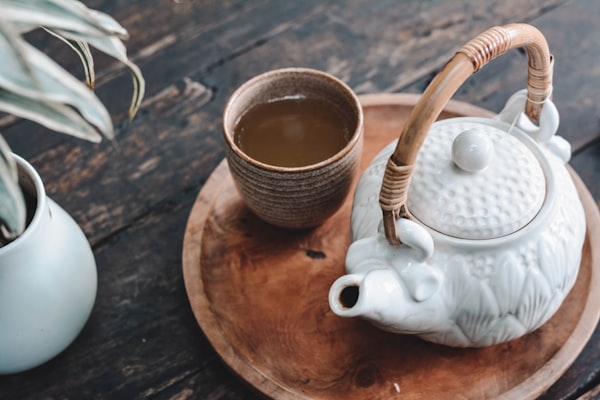
Chocolate Black Tea
Black tea
4.4/5 · FindMeTea score
About this tea
Chocolate Black Tea is a flavored black tea built around real cacao — a robust, malty black tea base (typically Assam or Ceylon-style) blended with cocoa flavoring and often actual cacao nibs or cocoa powder dusting the leaf. The result is a rich, slightly bitter-sweet cup that tastes genuinely dessert-like: think dark chocolate shavings stirred into a strong cup of breakfast tea. Unlike caramel or vanilla flavored teas, which lean on sugar and cream notes, chocolate black tea keeps a noticeable bitter edge from the cacao itself, echoing the natural tannins already present in the black tea base. It has become a favorite afternoon and after-dinner tea for people who want a chocolatey treat without the sugar load of an actual dessert, and it takes milk exceptionally well, turning into something close to a light hot cocoa with a tea backbone.
How to brew: 95°C, 4 min, 2.5 g per cup.
Caffeine
Medium
How to brew
Flavor notes
sweet, malty, slightly bitter, intense
Often associated with
Comfort, Sense of well-being
Best time to enjoy
Afternoon, Evening
Tags
Where to find it in United States
 Where to find it in United States
- Other Black tea
Harney & Sons
New York · SoHo (ships nationwide)
English Breakfast (loose, 4 oz tin)
US$ 13· 4 oz
In storeOnline433 Broome StreetGo to shop → - Other Black tea
McNulty's Tea & Coffee
New York · Greenwich Village
McNulty's English Breakfast
from US$ 10· 4 oz
In storeOnline109 Christopher StreetGo to shop → - Other Black tea
Chado Tea Room
Los Angeles · Downtown (Little Tokyo) and Hollywood; also Pasadena, Torrance
English Breakfast
US$ 9.88· 4 oz
In storeOnline369 East 1st StreetGo to shop → - Other Black tea
Tea and Whisk
Las Vegas · Chinatown (Spring Mountain Rd)
English Everyday Black Tea Blend
from US$ 20· 4 oz
In storeOnline6288 Spring Mountain Rd, Ste 110Go to shop → - Other Black tea
Rishi Tea
Organic English Breakfast (loose leaf)
US$ 18.50· 113 g
OnlineGo to shop →
Prices checked by us on Sep 5, 2026; they may change.
No shop pays to appear here — we list what we verified ourselves.
Know a shop that sells it? Tell usOrigin & Production
Chocolate black tea is not tied to a single tea garden or growing region — it belongs to the flavored tea category, where a finished black tea leaf is combined with cocoa-derived flavoring after harvest and primary processing. The base leaf is usually a full-bodied Assam, prized for its malty depth and natural sweetness that complements cocoa, or a Ceylon-style tea chosen for its brisk, slightly tannic backbone that mirrors dark chocolate's bitterness. The cacao itself traces back to Mesoamerica, where cacao trees (Theobroma cacao) were first cultivated; the flavoring used in modern blends is produced from roasted cacao beans processed in cocoa-growing regions such as West Africa, Ecuador, and Southeast Asia, then converted into natural cocoa flavoring, cocoa powder, or crushed cacao nibs for blending with the dried tea leaf. Better blends use real cacao nibs and natural cocoa extract; lower-grade versions rely on artificial chocolate flavoring sprayed onto tea dust or fannings, which tends to taste one-dimensional and overly sweet.
Production process
Base leaf selection
A full-leaf black tea with malty depth and moderate astringency — typically Assam or a robust Ceylon — is chosen as the base so it can stand up to the richness of cocoa without disappearing.
Cocoa flavoring application
Natural cocoa flavoring (liquid extract derived from roasted cacao beans) is sprayed evenly onto the dried tea leaves in rotating drums, letting the chocolate aroma adhere to the leaf surface.
Cacao nib or cocoa powder blending
Crushed cacao nibs or a light dusting of cocoa powder is folded into the flavored leaf, adding visual chocolate flecks and a slightly bitter, crunchy textural note when the tea is dry-sniffed or steeped.
Resting and aroma fixation
Flavored leaves rest in sealed containers for 24–72 hours so the cocoa aroma binds fully to the leaf, preventing the chocolate note from tasting separate or sprayed-on in the final cup.
Quality sorting
Finished blends are sorted by leaf integrity and nib distribution — whole-leaf versions with visible cacao nibs are graded higher than dust-and-fannings versions relying purely on sprayed flavoring.
Packaging & export
Finished chocolate black tea is packed in sealed, aroma-protective pouches or tins to lock in the cocoa scent, then distributed to specialty grocers, cafés, and online retailers worldwide.
History & Tradition
Chocolate black tea sits at the crossroads of two very different beverage histories — tea from East Asia and cacao from Mesoamerica — that only merged into a single cup in the modern flavored-tea era.
Cacao in Mesoamerica
The Olmec and later Maya and Aztec civilizations cultivated cacao trees and prepared a bitter, frothy cacao drink, often spiced with chili, used ceremonially and as currency long before chocolate ever met tea leaves.
Chocolate reaches Europe
Spanish colonizers brought cacao to Europe, where it was sweetened with sugar and became a fashionable drink among the aristocracy — around the same period black tea from China was also entering European trade.
Cocoa powder invented
Dutch chemist Coenraad Johannes van Houten developed a process to extract cocoa butter and create cocoa powder, making chocolate flavoring practical to standardize and later use in flavored food and beverage products.
Flavored tea boom
As flavored black teas like vanilla and caramel gained popularity in Western markets from the 1980s onward, tea blenders began applying the same flavoring techniques to cocoa, creating early commercial chocolate tea blends.
Cacao nib inclusions
Specialty tea companies began adding crushed cacao nibs directly to flavored black tea blends, moving beyond liquid flavoring alone to give the tea visible texture and a more authentic, slightly bitter chocolate bite.
Dessert tea mainstreaming
Chocolate black tea became a staple of the 'dessert tea' category alongside flavors like cinnamon roll and chocolate mint, marketed as a lower-calorie way to satisfy chocolate cravings without an actual sweet.
Health Benefits
Steady, moderate energy
Like most black teas, chocolate black tea carries a moderate, naturally occurring caffeine content alongside L-theanine, which traditionally is associated with a steadier lift than coffee — without the sharp crash.
Comforting, low-effort treat
Many people reach for chocolate black tea as a wellness-minded substitute for an actual chocolate dessert — it delivers the cocoa aroma and bittersweet satisfaction with far less sugar than a typical treat.
Polyphenols from two sources
Black tea leaves contain theaflavins and thearubigins, while cacao contributes its own flavanols; together they make chocolate black tea a cup naturally rich in plant polyphenols, compounds long studied for their antioxidant activity.
Mood-lifting ritual
The combination of warm cocoa aroma and the gentle alertness from tea's caffeine and L-theanine is widely described as comforting and mood-supportive — a sensory ritual people associate with relaxation and reward.
Versatile with milk and spice
Chocolate black tea's malty base and cocoa notes hold up well to milk, a dash of cinnamon, or chili, making it easy to riff on hot-cocoa or Mexican-chocolate style preparations for variety.
Grades & Varieties
Cacao nib whole-leaf blend
Whole-leaf Assam or Ceylon black tea flavored with natural cocoa extract and finished with visible crushed cacao nibs. The premium tier — the nibs add a subtle bitter crunch and the most authentic chocolate character.
Best for
- ✓Afternoon dessert-style tea
- ✓Tea served with milk
- ✓Gifting and specialty tins
Cocoa-flavored cut leaf
Standard cut-leaf black tea sprayed with natural cocoa flavoring, without added nibs. Brews quickly and consistently in tea bags — the most common format found in grocery stores and cafés.
Best for
- ✓Everyday chocolate-tea fix
- ✓Tea bags for the office
- ✓Quick brewing
Chocolate-mint or chocolate-orange blend
Chocolate black tea blended with a secondary flavor — most often peppermint or orange peel — echoing classic chocolate dessert pairings. The added aromatic brightens the cocoa and softens its bitter edge.
Best for
- ✓Evening dessert tea
- ✓Holiday and seasonal blends
- ✓Pairing with citrus or mint desserts
Did you know?
Chocolate and tea share a strange historical parallel: cacao was first domesticated in the upper Amazon over 5,000 years ago and later used by the Maya and Aztec as a bitter, spiced ceremonial drink and even as currency, completely independent of Camellia sinensis tea traditions on the other side of the world.
Foods with this tea

What to Eat with Chocolate Black Tea
Chocolate black tea's rich, bittersweet cocoa notes call for pairings that lean into dessert territory — pastries, dried fruit, and nutty bakes that echo its malty depth.
Chocolate Black Tea-Braised Short Ribs with Cocoa-Chili Rub
Beef short ribs braised low and slow in chocolate black tea, finished with a smoky cocoa-chili rub — the tea's bittersweet cacao notes deepen the braising liquid into something dark, rich, and savory.
Chocolate Black Tea Pots de Crème
A silky French-style custard infused with chocolate black tea, doubling down on cocoa with both real chocolate and the tea's malty cacao notes for a deeply layered dessert.
Drinks with this tea

Chocolate Black Tea Latte with Cinnamon
A cozy, lightly spiced chocolate black tea latte that delivers a cocoa-forward, comforting cup with a fraction of the sugar of a café hot chocolate.
Iced Chocolate Black Tea with Orange and Cream
Cold-brewed chocolate black tea layered with orange zest and a float of cream — a refreshing riff on chocolate-orange that keeps the tea's bittersweet cacao notes front and center.
Chocolate Black Tea Espresso Martini
A chocolate-forward twist on the espresso martini, using a concentrated chocolate black tea reduction alongside coffee liqueur and vodka for a bittersweet, dessert-like cocktail.