
Dong Ding
Oolong tea
4.6/5 · FindMeTea score
About this tea
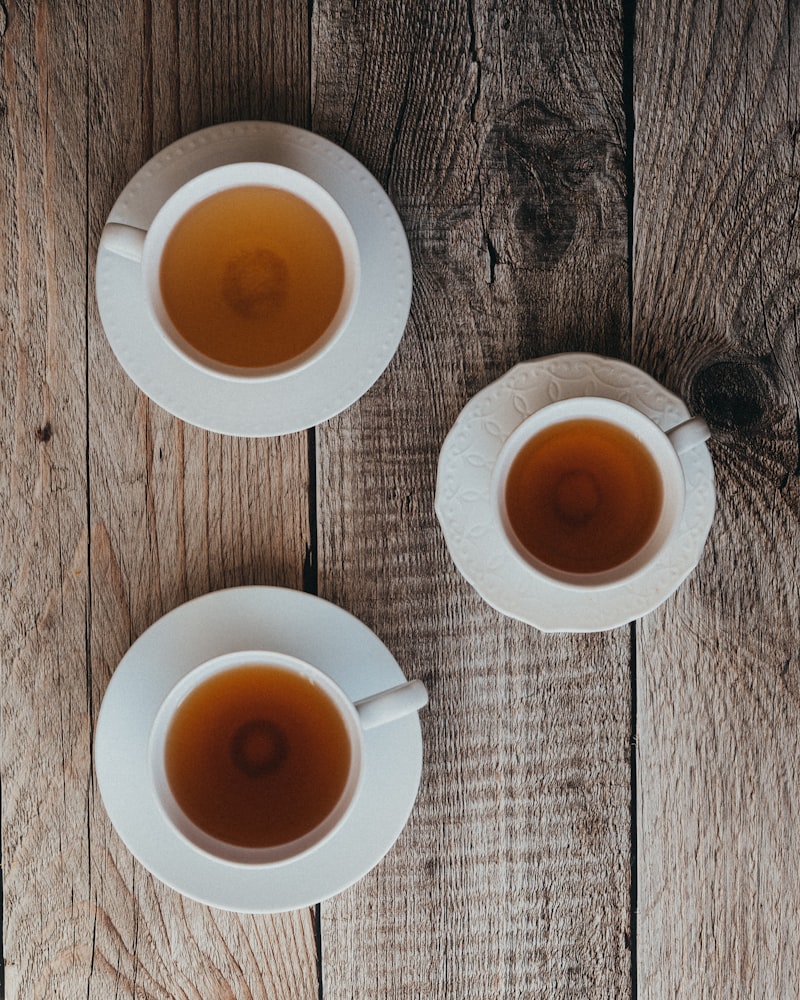
Dong Ding (Tung Ting) is Taiwan's most iconic oolong tea, cultivated on the slopes of Dong Ding Mountain in Lugu Township, Nantou County. Renowned for its tightly rolled ball shape, medium roast profile, and layered flavors of toasted grain, sweet florals, and warm caramel, Dong Ding exemplifies the art of Taiwanese oolong roasting. This tea bridges the gap between green-style oolongs and heavily roasted varieties, offering a smooth, approachable cup with impressive depth.
How to brew: 92°C, 3 min, 3 g per cup.
Caffeine
Medium
How to brew
Flavor notes
toasted, sweet, fruity
Often associated with
Calm, Comfort
Best time to enjoy
Early afternoon, Mid-afternoon
Tags
Where to find it in United States
 Where to find it in United States
- This tea
McNulty's Tea & Coffee
New York · Greenwich Village
Tung Ting Extra Fancy Formosa Oolong
from US$ 27.50· 4 oz
In storeOnline109 Christopher StreetGo to shop → - This tea
99 Ranch Market
San Jose · Hostetter Road, North San Jose
Ten Ren Tung-Ting Oolong Tea
US$ 23.99· 10.6 oz
In storeOnline1688 Hostetter Road, San Jose, CA 95131Go to shop → - This tea
Chicago Teahouse
Chicago · Gold Coast
Tung Ting Oolong
from US$ 25.95· 50 g
In storeOnline1160 N. State Street, Chicago, IL 60610Go to shop → - Other Oolong tea
Harney & Sons
New York · SoHo (ships nationwide)
Milky Oolong (loose, 3 oz tin)
from US$ 14· 3 oz
In storeOnline433 Broome StreetGo to shop → - Other Oolong tea
Chado Tea Room
Los Angeles · Downtown (Little Tokyo) and Hollywood; also Pasadena, Torrance
Champagne Tieguanyin
US$ 37.50· 4 oz
In storeOnline369 East 1st StreetGo to shop →
Prices checked by us on Sep 5, 2026; they may change.
No shop pays to appear here — we list what we verified ourselves.
Know a shop that sells it? Tell usOrigin & Production
Dong Ding Mountain rises to approximately 800 meters in central Taiwan's Nantou County. The combination of subtropical humidity, frequent mist, well-drained mountain soil, and significant day-night temperature variation creates the terroir responsible for Dong Ding's distinctive sweet, complex character. The Lugu area has been cultivating this oolong since the mid-19th century.
Production process
Solar withering
Freshly harvested leaves are spread on bamboo mats under sunlight for a controlled period to begin moisture reduction and activate enzymes that develop aroma precursors.
Indoor withering and tossing
Leaves are moved indoors and gently tossed at intervals to bruise leaf edges, promoting oxidation of 15–30%. This rhythmic tossing over 6–8 hours builds the tea's floral and fruity notes.
Kill-green (fixation)
Leaves are heated in a large drum or wok to stop oxidation at the desired level, locking in the partially developed flavors and preventing the tea from becoming fully oxidized.
Cloth-wrapped rolling
Leaves are wrapped tightly in cloth bundles and rolled repeatedly using mechanical pressure, forming the signature tight ball shape. This process is repeated 20–30 times, alternating with brief drying, until the desired shape is achieved.
Charcoal roasting
The hallmark of Dong Ding: slow roasting over longan-wood charcoal at low temperature for hours. This develops the toasty sweetness, caramel depth, and smooth body that define the tea's character.
History & Tradition
Dong Ding's story begins with a single bundle of tea cuttings carried across the Taiwan Strait from mainland China — a transplant that would become the island's most celebrated oolong.
Lin Fengchi brings oolong to Taiwan
Scholar Lin Fengchi traveled from Lugu to Fujian Province for imperial examinations. Upon returning, he brought 36 Qingxin oolong tea plants from Wuyi Mountain and planted them on Dong Ding Mountain. According to the most widely told version of the legend, only 12 of those plants survived — and they founded the mountain's tea cultivation.
Competition era begins
The Lugu Farmers' Association launched organized tea competitions, driving quality standards upward and establishing Dong Ding as Taiwan's benchmark competition oolong.
Peak of traditional roasting
Dong Ding's medium-roast, charcoal-fired style reached its golden age. Master roasters became local celebrities, and competition-winning lots commanded premium prices across Asia.
Revival of artisan roasting
After a period when lighter oolongs dominated the market, a new generation of tea makers renewed interest in traditional charcoal roasting, preserving Dong Ding's classic character for modern drinkers.
Health Benefits
Calm alertness
The combination of moderate caffeine and abundant L-theanine in Dong Ding promotes a state of focused calm — enhancing attention and mental performance without overstimulation.
Metabolic support
Oolong tea polyphenols, particularly polymerized catechins unique to partially oxidized teas, have been shown to enhance lipid metabolism and support healthy weight management.
Heart health
Regular oolong consumption is associated with improved cholesterol profiles. Studies suggest it may help reduce LDL oxidation and support arterial flexibility through its flavonoid content.
Oral health
Oolong polyphenols and natural fluoride content help inhibit plaque-forming bacteria and strengthen tooth enamel, supporting overall oral hygiene.
Antioxidant defense
Dong Ding contains a unique combination of catechins, theaflavins, and thearubigins — formed during partial oxidation — that provide broad-spectrum protection against oxidative stress.
Grades & Varieties
Competition grade (Bisai Ji)
Hand-picked from old-growth Qingxin cultivar bushes on Dong Ding Mountain. Expertly charcoal-roasted with a golden-amber liquor, deep toasty sweetness, and exceptional huigan (returning sweetness). Only produced in small quantities for competitions.
Best for
- ✓Gongfu brewing
- ✓Special occasions
- ✓Experienced tea drinkers
Traditional roast
Medium-roasted Dong Ding with a balanced profile of toasted grain, ripe stone fruit, and caramel. Smooth body with low astringency and a warming, lingering finish. The everyday standard.
Best for
- ✓Daily drinking
- ✓After meals
- ✓Introduction to roasted oolongs
Light roast (modern style)
Lighter roast that preserves more green-floral character while still maintaining Dong Ding's rolled shape. Greener liquor with notes of gardenia, butter, and sweet cream.
Best for
- ✓Floral tea fans
- ✓Warm weather sipping
- ✓Lighter palates
Did you know?
Dong Ding means "Frozen Summit" and refers to the Taiwan mountain where it's grown; 36 seedlings were brought from China in 1855—only 12 survived to found the tea.
Foods with this tea
What to Eat with Dong Ding Oolong Tea
Dong Ding's buttery, floral character and smooth body pair beautifully with rich pastries, mild seafood, and creamy dishes that echo its velvety texture.
Dong Ding Oolong Butter-Glazed Shrimp
Plump shrimp glazed in a buttery Dong Ding reduction with garlic and ginger—a quick, elegant dish that celebrates the tea's creamy, floral soul.
Dong Ding Oolong Crème Brûlée
A velvety crème brûlée infused with Dong Ding oolong—the tea's buttery, floral notes melt into the custard for a dessert that's impossibly smooth.
Drinks with this tea

Dong Ding Oolong Ginger-Honey Elixir
Smooth Dong Ding oolong meets fresh ginger, raw honey, and a squeeze of yuzu in a warming elixir that soothes and restores.
Cold-Brewed Dong Ding with Lychee and Mint
Cold-brewed Dong Ding oolong layered with fresh lychee and mint over ice—a silky, fragrant cooler that captures Taiwan in a glass.
Dong Ding Oolong Old Fashioned
Bourbon infused with Dong Ding oolong, a touch of honey syrup, and Angostura bitters—a smoky-floral twist on the classic Old Fashioned.