
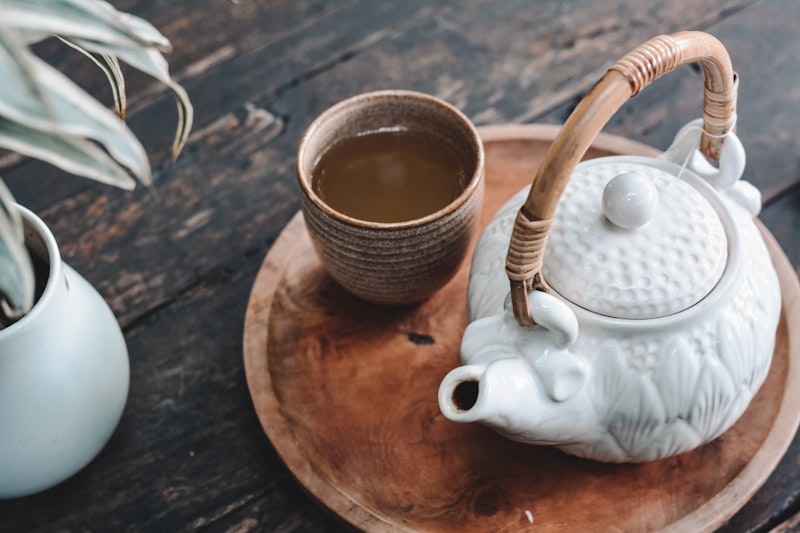
Earl Grey
Black tea
4.7/5 · FindMeTea score
About this tea
Earl Grey is a beloved flavored black tea distinguished by the addition of oil of bergamot, a fragrant citrus fruit grown primarily along the Calabrian coast of southern Italy. Its elegant floral-citrus aroma layered over a malty black tea base has made it one of the most iconic and widely consumed teas in the Western world. Whether enjoyed with a splash of milk or a slice of lemon, Earl Grey offers a sophisticated, aromatic experience that bridges tradition and everyday enjoyment.
How to brew: 95°C, 3.5 min, 2.5 g per cup.
Caffeine
Medium
How to brew
Flavor notes
citrusy, floral, bergamot
Often associated with
Gentle wake-up, Focus
Best time to enjoy
Morning, Mid-morning
Tags
Where to find it in United States
 Where to find it in United States
- This tea
Harney & Sons
New York · SoHo (ships nationwide)
Earl Grey Supreme (loose, 4 oz tin)
US$ 12· 4 oz
In storeOnline433 Broome StreetGo to shop → - This tea
Upton Tea Imports
Original Earl Grey (100 g packet)
US$ 9.25· 100 g
OnlineGo to shop → - This tea
The Republic of Tea
Earl Greyer Black Full-Leaf Tea (tin)
US$ 13.75· 99 g
OnlineGo to shop → - This tea
Satori Tea Company
Earl Grey Superior
from US$ 18· 4 oz
OnlineGo to shop → - This tea
Chicago Teahouse
Chicago · Gold Coast
Earl Grey
from US$ 19.95· 100 g
In storeOnline1160 N. State Street, Chicago, IL 60610Go to shop →
Prices checked by us on Sep 5, 2026; they may change.
No shop pays to appear here — we list what we verified ourselves.
Know a shop that sells it? Tell usOrigin & Production
Earl Grey is not a single-origin tea but a blended recipe combining a black tea base with bergamot oil. The bergamot citrus (Citrus bergamia) thrives almost exclusively in the Reggio Calabria province of Italy, where the microclimate produces the most aromatic essential oil. The black tea base varies by brand — Chinese Keemun for a smoother style, or Ceylonese and Indian teas for a bolder cup.
Production process
Black tea production
Base tea leaves are fully oxidized through traditional withering, rolling, oxidation, and firing — producing a robust, dark infusion.
Bergamot extraction
Oil of bergamot is cold-pressed from the rind of bergamot oranges harvested between November and March in Calabria, yielding a highly aromatic essential oil.
Scenting & blending
The dried black tea is sprayed or tumbled with bergamot oil, then rested to allow the leaves to absorb the citrus fragrance evenly throughout the blend.
Quality control & packaging
Blenders taste-test each batch to ensure the balance between tea body and bergamot intensity is consistent before packaging.
History & Tradition
The origins of Earl Grey are wrapped in legend, but the tea's rise to global fame is a well-documented story of British tea culture and aromatic innovation.
The Grey legend
According to popular lore, Charles Grey, the 2nd Earl Grey and British Prime Minister (1830–1834), received a gift of bergamot-scented tea from a Chinese mandarin. While the exact story is debated, the name stuck.
Twinings & commercialization
British tea merchants, notably Twinings and Jacksons of Piccadilly, began selling bergamot-flavored black tea blends commercially, popularizing the Earl Grey name across England.
Afternoon tea staple
Earl Grey became a fixture of British afternoon tea culture, prized for its aromatic elegance and versatility — served with milk, lemon, or on its own.
Global expansion & variations
Earl Grey inspired numerous variations — Lady Grey (with orange peel and cornflower), London Fog lattes, and Earl Grey-infused desserts — becoming one of the most recognized tea names worldwide.
Health Benefits
Mental clarity
The combination of caffeine (~40–60 mg per cup) and L-theanine from the black tea base promotes alert focus, while bergamot's linalool and linalyl acetate have aromatherapeutic calming effects.
Cardiovascular support
Bergamot polyphenols, particularly brutieridin and melitidin, have been shown in studies to help reduce LDL cholesterol and support healthy lipid profiles.
Antioxidant protection
Black tea theaflavins combined with bergamot flavonoids provide a double layer of antioxidant protection against free radical damage.
Digestive comfort
Bergamot oil has traditionally been used in Mediterranean folk medicine to ease digestive discomfort and reduce bloating.
Mood elevation
Bergamot essential oil is widely used in aromatherapy for its anxiolytic properties — inhaling its scent while drinking may help reduce stress and improve mood.
Grades & Varieties
Classic Earl Grey
Traditional blend of fully oxidized black tea (often a Ceylon or Chinese Keemun base) with cold-pressed bergamot oil. Produces an amber cup with a balanced citrus-malt profile.
Best for
- ✓Classic afternoon tea
- ✓With a splash of milk
- ✓Everyday drinking
Lady Grey
A lighter, more floral variation that adds orange peel, lemon peel, and cornflower petals to the bergamot blend. Less astringent and more delicate than classic Earl Grey.
Best for
- ✓Light afternoon refreshment
- ✓Iced tea
- ✓Those who prefer less intensity
Russian Earl Grey
A bold variation blending bergamot with lemongrass, orange peel, and sometimes a smoky Lapsang base. Fuller-bodied and more complex than the classic style.
Best for
- ✓Bold tea lovers
- ✓Cold weather sipping
- ✓Pairing with rich desserts
Did you know?
Earl Grey is black tea flavored with oil from the bergamot orange, a citrus fruit; the name "bergamot" comes from Turkish "beg-armudi" meaning "the prince's pear."
Foods with this tea
What to Eat with Earl Grey Tea
Bergamot's citrus brightness pairs beautifully with buttery pastries, light sandwiches, and citrus-glazed dishes. Here's your guide.
Earl Grey Glazed Salmon
A fragrant Earl Grey reduction becomes a beautiful citrus glaze for pan-seared salmon. Ready in 25 minutes.
Earl Grey Lavender Shortbread
Buttery shortbread infused with Earl Grey and dried lavender—fragrant, crumbly, and perfect for afternoon tea.
Drinks with this tea
Earl Grey Honey-Lemon Tonic
A warming blend of Earl Grey, raw honey, and fresh lemon—perfect for chilly mornings or when you need a gentle pick-me-up.
Iced Earl Grey Latte
Creamy, citrusy, and refreshing—cold-brewed Earl Grey meets frothed milk over ice for the perfect summer drink.
Earl Grey Gin Fizz
A sophisticated cocktail where Earl Grey-infused gin meets citrus and soda for an effervescent, bergamot-forward drink.