
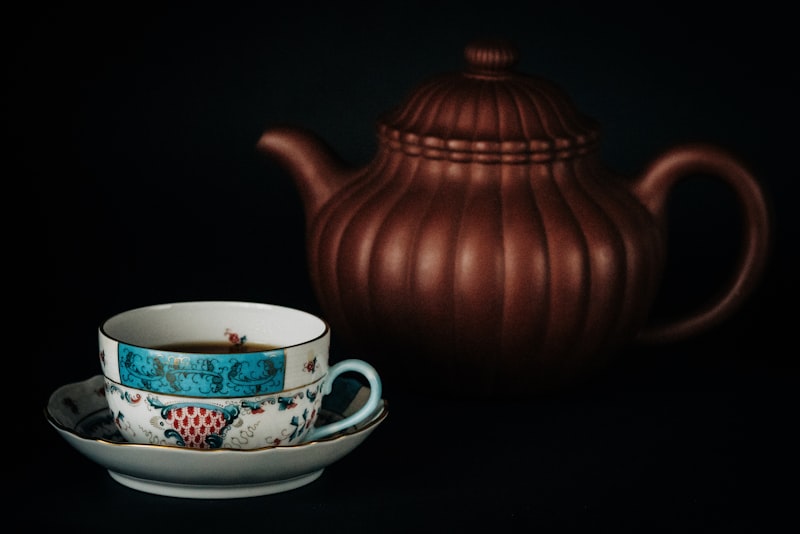
Oriental Beauty
Oolong tea
4.8/5 · FindMeTea score
About this tea
Oriental Beauty (Dongfang Meiren), also known as Bai Hao Oolong, is a heavily oxidized Taiwanese oolong celebrated for its natural honey aroma and ripe-fruit, muscatel sweetness. Its defining secret is the leafhopper: tiny green insects (Jacobiasca formosana) nibble the young leaves, and the plant's response to this bite triggers the compounds that give the finished tea its signature honeyed perfume. Picked with downy white tips and oxidized to a high degree, it brews into an amber, mellow cup with no need for added sweetening. It is one of Taiwan's most prized and storied teas, traditionally grown without pesticides so the leafhoppers can do their work.
How to brew: 90°C, 2.5 min, 4 g per cup.
Caffeine
Medium
How to brew
Flavor notes
honeyed, fruity, sweet, floral
Often associated with
Gentle focus, Calm alertness
Best time to enjoy
Mid-morning, Early afternoon, Mid-afternoon
Tags
Where to find it in United States
 Where to find it in United States
- This tea
McNulty's Tea & Coffee
New York · Greenwich Village
Oriental Beauty (Dongfang Meiren) White Tip Oolong
from US$ 27.50· 4 oz
In storeOnline109 Christopher StreetGo to shop → - Other Oolong tea
Harney & Sons
New York · SoHo (ships nationwide)
Milky Oolong (loose, 3 oz tin)
from US$ 14· 3 oz
In storeOnline433 Broome StreetGo to shop → - Other Oolong tea
Chado Tea Room
Los Angeles · Downtown (Little Tokyo) and Hollywood; also Pasadena, Torrance
Champagne Tieguanyin
US$ 37.50· 4 oz
In storeOnline369 East 1st StreetGo to shop → - Other Oolong tea
Tea and Whisk
Las Vegas · Chinatown (Spring Mountain Rd)
Dark Roast Iron Goddess Oolong
from US$ 13.50· 2 oz
In storeOnline6288 Spring Mountain Rd, Ste 110Go to shop → - Other Oolong tea
Rishi Tea
Iron Goddess of Mercy oolong (loose leaf)
US$ 23.50· 100 g
OnlineGo to shop →
Prices checked by us on Sep 5, 2026; they may change.
No shop pays to appear here — we list what we verified ourselves.
Know a shop that sells it? Tell usOrigin & Production
Oriental Beauty originates in the rolling hill country of northwestern Taiwan, especially Hsinchu and Miaoli counties, where the warm, humid summers favor the leafhopper. The tea is most often made from the Qing Xin Da Mao cultivar and harvested in early summer, just as the leafhoppers reach peak activity. Because the insects are essential to the tea's flavor, the gardens are kept free of pesticides, making this one of the earliest examples of insect-assisted, low-intervention tea growing. The combination of terroir, cultivar, and the leafhopper bite gives each batch a slightly different character.
Production process
Leafhopper grazing
In early summer, green leafhoppers bite the tender leaves and buds. The plant's defensive response produces the aromatic precursors that later become the tea's hallmark honey and muscatel notes.
Hand-plucking
Only the bitten young leaves with their silvery downy tips are selected by hand. The bite marks and tip count are signs of authentic Oriental Beauty.
Withering
Leaves are withered indoors and out, gently softening them and beginning the moisture loss that prepares them for heavy oxidation.
Heavy oxidation
Oriental Beauty is oxidized to roughly 60–70%, far more than most oolongs. This long oxidation develops its amber liquor, ripe-fruit depth, and soft honey character.
Fixing & rolling
Heat halts oxidation, then the leaves are lightly rolled to shape them while preserving the prized white tips intact.
Drying
A final gentle drying locks in the aroma and stabilizes the leaf. Many lots see only a very light roast, keeping the fruit-forward profile bright.
History & Tradition
Oriental Beauty is wrapped in Taiwanese legend, from a farmer who turned an insect infestation into treasure to a name supposedly bestowed by British royalty.
An accidental discovery
Tradition holds that a Hsinchu farmer, unable to sell leaves damaged by leafhoppers, processed them anyway — and found buyers paying a premium for the unexpectedly honeyed result.
A name from afar
Popular legend says British royalty, charmed by the tea's beauty in the cup, gave it the name 'Oriental Beauty.' The story is unverified but beloved in Taiwan.
Beipu and Emei rise
The towns of Beipu and Emei in Hsinchu became renowned centers of production, refining the heavy-oxidation style now associated with the tea.
Competition prestige
Oriental Beauty became a star of Taiwanese tea competitions, with award-winning lots fetching some of the highest prices for any oolong.
Global appreciation
As Taiwanese teas spread worldwide, Oriental Beauty earned a devoted international following, prized as a naturally sweet, additive-free luxury oolong.
Health Benefits
Gentle focus
With its moderate caffeine and naturally occurring L-theanine, Oriental Beauty supports a calm, clear-headed alertness that can help with steady attention.
After-meal comfort
Like many oolongs, it is traditionally enjoyed after rich meals; its warm, mellow character is associated with a comforting, settled feeling.
Antioxidant polyphenols
As a partially oxidized tea, it retains a spectrum of tea polyphenols that are widely studied for their antioxidant activity.
Soothing ritual
Its honeyed aroma and smooth body make for a calming, sensory ritual that many find grounding during a busy day.
Naturally additive-free
The honey-fruit sweetness comes entirely from the leaf and the leafhopper effect, so the cup needs no sugar or flavoring.
Grades & Varieties
Competition grade
The finest hand-picked lots with abundant white tips, intense honey-muscatel aroma, and a long, layered finish. Reserved for special occasions and gifting.
Best for
- ✓Special occasions
- ✓Gongfu-style brewing
- ✓Tea connoisseurs
Premium tippy
Clearly leafhopper-bitten leaves with plenty of downy tips and a generous honey aroma. An excellent everyday-luxury expression of the style.
Best for
- ✓Afternoon tea
- ✓Multiple infusions
- ✓Honey-lovers
Daily grade
Approachable lots with lighter tipping and a softer aroma. Friendly and forgiving to brew, ideal for getting to know the honeyed style.
Best for
- ✓Everyday cups
- ✓Western-style brewing
- ✓First-time tasters
Did you know?
Oriental Beauty owes its honey aroma to a tiny insect: the leafhopper bites the leaves, and the plant's defensive response is what creates the tea's signature sweetness — so the gardens must be grown pesticide-free.
Foods with this tea
What to Eat with Oriental Beauty Oolong
Oriental Beauty's honey-and-muscatel sweetness loves delicate pastries, ripe stone fruit, and lightly sweet dishes that echo its natural fruitiness.
Oriental Beauty Honey-Glazed Roast Chicken
Roast chicken brushed with an Oriental Beauty tea and honey glaze, where the oolong's natural muscatel sweetness deepens the caramelized skin.
Oriental Beauty Honey Peach Panna Cotta
A silky panna cotta infused with Oriental Beauty oolong and topped with honeyed peaches, doubling down on the tea's natural muscatel sweetness.
Drinks with this tea
Oriental Beauty Honey-Ginger Soother
A gently warming wellness cup that leans into Oriental Beauty's natural honey character with fresh ginger for a comforting, after-meal sip.
Iced Oriental Beauty with Peach and Mint
Cold-brewed Oriental Beauty over ice with muddled peach and fresh mint — a fragrant, naturally sweet iced oolong that needs almost no sugar.
Oriental Beauty Honey-Peach Highball
An elegant highball with Oriental Beauty-infused spirit, peach, and soda — with a sparkling non-alcoholic version that lets the honey oolong shine.