
Gyokuro
Green tea
4.8/5 · FindMeTea score
About this tea
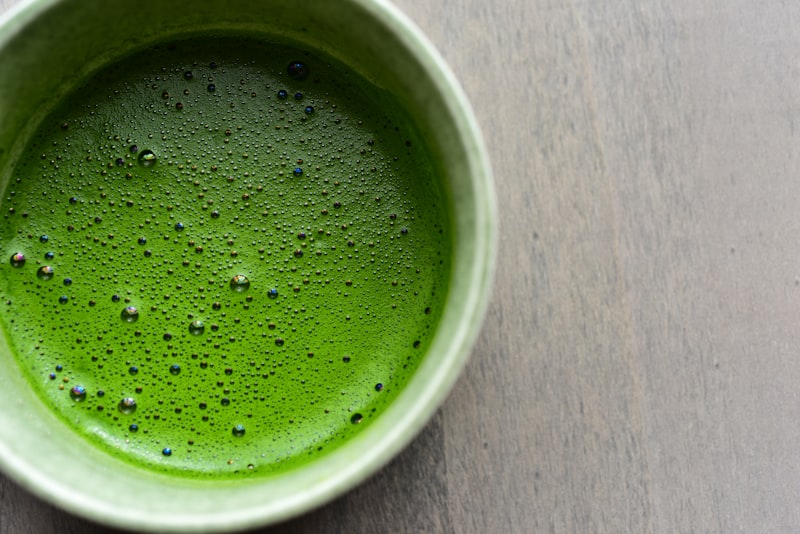
Gyokuro (literally 'jade dew') is the most prized of Japan's shaded green teas, distinguished by an intense umami sweetness, deep marine aroma, and almost no bitterness. The tea plants are shaded with reed or synthetic covers for about 20 days before harvest, forcing the leaves to produce more chlorophyll, L-theanine, and caffeine while reducing catechins. The result is a vivid emerald liquor brewed at low temperatures that tastes like savory broth — a refined drinking experience rather than a casual daily tea.
How to brew: 60°C, 2 min, 3 g per cup.
Caffeine
High
How to brew
Flavor notes
umami, vegetal, sweet
Often associated with
Calm alertness, Gentle focus
Best time to enjoy
Mid-morning, Early afternoon
Tags
Where to find it in United States
 Where to find it in United States
- This tea
Satori Tea Company
Gyokuro
from US$ 63.96· 4 oz
OnlineGo to shop → - This tea
Chicago Teahouse
Chicago · Gold Coast
Japan Gyokuro Kyushu Organic
US$ 57.95· 100 g
In storeOnline1160 N. State Street, Chicago, IL 60610Go to shop → - Other Green tea
Harney & Sons
New York · SoHo (ships nationwide)
Japanese Sencha (loose, 4 oz tin)
US$ 15· 4 oz
In storeOnline433 Broome StreetGo to shop → - Other Green tea
McNulty's Tea & Coffee
New York · Greenwich Village
Sencha Premium Grade
from US$ 15· 4 oz
In storeOnline109 Christopher StreetGo to shop → - Other Green tea
Chado Tea Room
Los Angeles · Downtown (Little Tokyo) and Hollywood; also Pasadena, Torrance
Lung Ching (Dragon Well)
US$ 16.38· 4 oz
In storeOnline369 East 1st StreetGo to shop →
Prices checked by us on Sep 5, 2026; they may change.
No shop pays to appear here — we list what we verified ourselves.
Know a shop that sells it? Tell usOrigin & Production
Gyokuro is produced in only a handful of regions with a long shaded-tea tradition. Yame in Fukuoka Prefecture is Japan's leading gyokuro producer, accounting for roughly 45% of national output, followed by Uji in Kyoto — the historical birthplace of the style — and the Asahina valley in Shizuoka. These districts share temperate humid climates, mineral-rich soils, and a craft culture passed down through generations of tea masters who hand-shade and hand-pick the leaves.
Production process
Shading (ooishita)
About 20 days before harvest, the tea bushes are covered with traditional reed-and-straw screens or modern black mesh. Light is reduced by roughly 90%, which slows photosynthesis, raises L-theanine concentration, and deepens the leaves' color.
First-flush hand harvest
Only the spring first flush (ichibancha) is used for true gyokuro, harvested in late April or May. The youngest, most tender shoots are plucked — historically by hand, though shears and machines are used for lower grades.
Steaming
Within hours of picking, the leaves are steamed for 20–60 seconds to halt oxidation. This Japanese-style sha qing preserves the vibrant green color and locks in the amino-acid-rich character developed during shading.
Rolling and shaping
The steamed leaves are gradually rolled and dried in stages, taking on the characteristic dark, needle-like shape. Skilled rolling preserves the integrity of the leaf and the high concentration of soluble compounds inside.
Final drying and refining
Leaves are dried to about 5% moisture, then sorted: stems and veins are separated out, sometimes to be sold as kukicha. The finished aracha is blended and finished by tea merchants before sale.
History & Tradition
Gyokuro is a relatively recent Japanese innovation, born in the 19th century from the same Uji tea families that had already perfected matcha and sencha — and it transformed Japanese green tea into a connoisseur's drink.
Yamamoto Kahei creates gyokuro
Yamamoto Kahei VI of the Yamamotoyama tea house in Edo (Tokyo) experiments with applying matcha-style shading to leaf tea in Uji. The result is a deep, sweet infusion he names gyokuro for the pale, dewy green liquor.
Rolling refined in Uji
Eguchi Shigejuro of Uji refines the rolling technique that gives gyokuro its tight needle shape, completing the process recognized as authentic gyokuro today.
Yame begins production
Tea producers in the Yame region of Fukuoka adopt the gyokuro method. Yame would eventually become Japan's largest producer of high-grade gyokuro, known for an especially rich umami profile.
Japanese Tea Industry Award
The annual National Tea Competition in Japan begins formally judging gyokuro alongside other categories, helping codify quality standards that producers still strive to meet.
Global craft tea revival
Specialty tea shops outside Japan begin importing single-origin gyokuro, exposing international drinkers to the umami profile and very low-temperature brewing style that defines the category.
Health Benefits
Calm focus
Gyokuro has among the highest L-theanine levels of any tea — roughly two to three times that of regular sencha. L-theanine promotes alpha brain wave activity, supporting a relaxed yet alert mental state.
Antioxidant content
Like other Japanese green teas, gyokuro contains catechins such as EGCG that act as antioxidants. Shading reduces some catechins relative to sun-grown sencha but raises other compounds like chlorophyll and amino acids.
Balanced caffeine
Gyokuro contains a notable amount of caffeine (roughly 35–55 mg per 60 ml serving), but the high L-theanine softens the stimulation into a smoother, longer-lasting alertness without coffee-like jitters.
Amino acid richness
Shading dramatically increases free amino acids — especially theanine, glutamic acid and arginine — which underlie the characteristic umami sweetness and are often described as nourishing in traditional Japanese tea culture.
Heart-friendly habits
Population studies in Japan associate daily consumption of green tea (including gyokuro) with lower cardiovascular mortality. Pair with a balanced diet — gyokuro complements but does not replace healthy lifestyle choices.
Grades & Varieties
Premium hand-picked gyokuro
Made from the most tender first-flush leaves, hand-picked from bushes shaded with traditional reed screens. Brewed at 50–60 °C, it yields a deep emerald liquor with intense umami, almost no bitterness, and a long sweet finish.
Best for
- ✓Slow contemplative drinking
- ✓Special occasions
- ✓Pairing with wagashi sweets
Standard gyokuro
Made from machine-trimmed bushes shaded with synthetic black mesh for the same approximate duration. Less expensive but still distinctly umami and sweet, with a slightly more vegetal edge than the premium grade.
Best for
- ✓Discovering the gyokuro style
- ✓Daily-special green tea moments
- ✓Gongfu-style multiple infusions
Karigane / Kuki gyokuro
Made from the stems and leaf veins separated during gyokuro processing. Lighter, sweeter, and slightly nutty, with less caffeine. A popular by-product that lets drinkers enjoy gyokuro character at a more accessible price.
Best for
- ✓Lower-caffeine green tea moments
- ✓Light afternoon drinking
- ✓Beginners to shaded teas
Did you know?
Gyokuro means 'jade dew'; the bushes are shaded for about 20 days before harvest, which dramatically boosts L-theanine and gives the leaves their deep emerald color and famous umami sweetness.
Foods with this tea

What to Eat with Gyokuro Tea
Gyokuro's deep umami, sweet vegetal body, and silky low-temperature brew pair best with the most refined Japanese cuisine—sashimi, dashi-based dishes, tamago, and elegant wagashi.
Gyokuro Dashi Chawanmushi with Shrimp
A silky steamed egg custard built on a delicate gyokuro-infused dashi, hiding sweet shrimp and shiitake at the bottom—pure umami in a cup.
Gyokuro Kuzumochi with Kuromitsu and Kinako
Translucent kuzu jelly infused with deep gyokuro umami, served chilled with dark kuromitsu syrup and toasted soybean kinako—the most elegant of Japanese sweets.
Drinks with this tea

Gyokuro Kombu Umami Broth
Shaded gyokuro brewed low and slow with a sheet of kombu—a savory, mineral-rich umami sip that doubles as a focus tonic and gentle dashi.
Kori-Dashi Ice-Brewed Gyokuro
The traditional Japanese kori-dashi method—gyokuro leaves draped with ice cubes that melt slowly into a syrupy, jade-green nectar of pure umami.
Gyokuro Sake Spritz
Cold-brewed gyokuro stirred with junmai sake, yuzu juice, and sparkling water—a savory, mineral spritz that drinks like an umami-driven aperitif.