
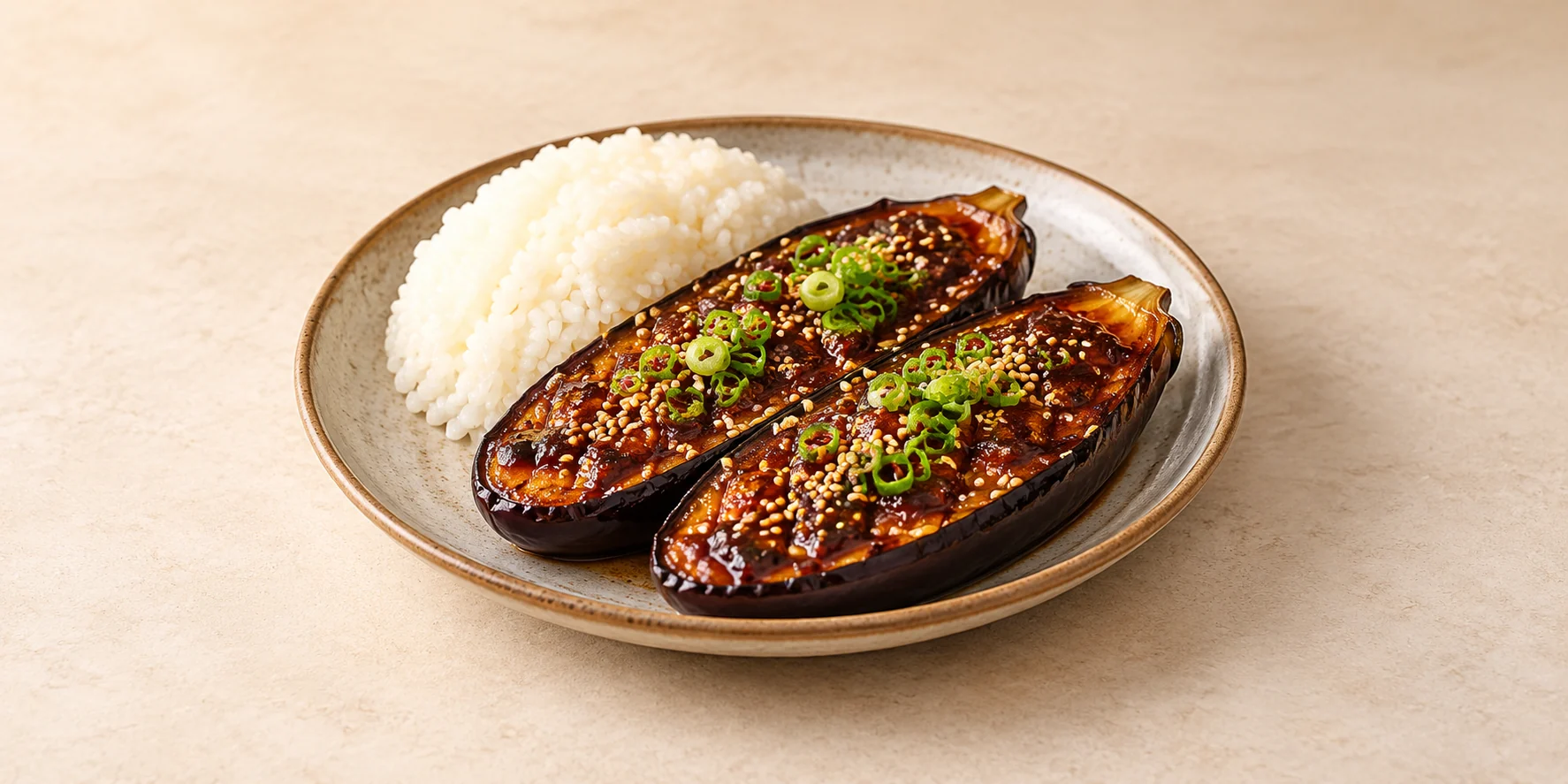
Hojicha Miso-Glazed Eggplant (Nasu Dengaku)
Japanese eggplant brushed with a sweet miso glaze enriched with toasted hojicha—nutty, smoky, caramelized, and irresistible served warm with steamed rice.
Nasu dengaku is a classic Japanese dish of eggplant broiled with a sweet miso glaze. Adding finely ground hojicha to the glaze turns it from good into something quietly extraordinary—the tea's roasted, almost coffee-like notes deepen the miso's umami and add a smoky finish that lingers long after the last bite.
Japanese eggplants are best for this dish because their skin is thinner and their flesh is creamier than Western varieties. They cook through quickly and absorb the glaze without turning soggy. If you can't find them, slim Italian or Chinese eggplants are the next best option.
The technique is straightforward but rewarding: score the flesh, salt briefly, sear cut-side down to get color, then finish under the broiler with the glaze. The miso caramelizes into a glossy, dark mahogany lacquer and the eggplant inside becomes silky and almost custard-like.
Serve hot with a sprinkle of toasted sesame seeds and a small bowl of steamed short-grain rice. A cup of hojicha alongside doubles the roasty pleasure and turns this into a complete light dinner that's both vegetarian and deeply satisfying.
Ingredients
- 4 Japanese eggplants (or 2 small Italian/Chinese eggplants)
- 3 tbsp white miso (shiro miso)
- 1 tbsp red miso (aka miso)
- 2 tbsp mirin
- 2 tbsp sake
- 1.5 tbsp sugar
- 1 tbsp finely ground hojicha leaves
- 1 tbsp neutral oil (such as grapeseed)
- 1 tsp toasted sesame seeds
- 2 scallions, thinly sliced
- Steamed short-grain rice, to serve
How to make it
- 1Halve the eggplants lengthwise. Score the flesh in a crosshatch pattern, taking care not to pierce the skin. Sprinkle lightly with salt and rest 10 minutes, then pat dry with paper towels.
- 2Make the glaze: combine white miso, red miso, mirin, sake, sugar, and ground hojicha in a small saucepan. Warm over low heat for 2–3 minutes, stirring, until smooth and glossy. Remove from heat.
- 3Heat oil in a non-stick skillet over medium heat. Place eggplants cut-side down and cook 4–5 minutes until golden. Flip and cook the skin side another 3–4 minutes until tender when pierced.
- 4Transfer eggplants cut-side up to a baking tray. Spoon the hojicha-miso glaze generously over the flesh.
- 5Set the oven to broil (high). Broil 3–4 minutes, watching carefully, until the glaze bubbles, caramelizes, and turns deep mahogany at the edges.
- 6Plate eggplants and sprinkle with toasted sesame seeds and sliced scallions. Serve hot with steamed rice on the side.
Want to learn more about Hojicha? Visit its full profile.
Back to HojichaYou might also like
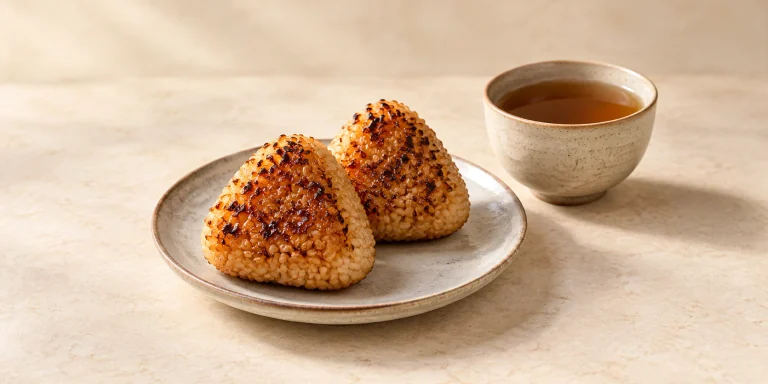
What to Eat with Hojicha Tea
Hojicha's roasted, nutty, low-caffeine profile pairs beautifully with autumn vegetables, grilled mushrooms, miso-glazed dishes, and warming desserts like panna cotta or sweet potato sweets.
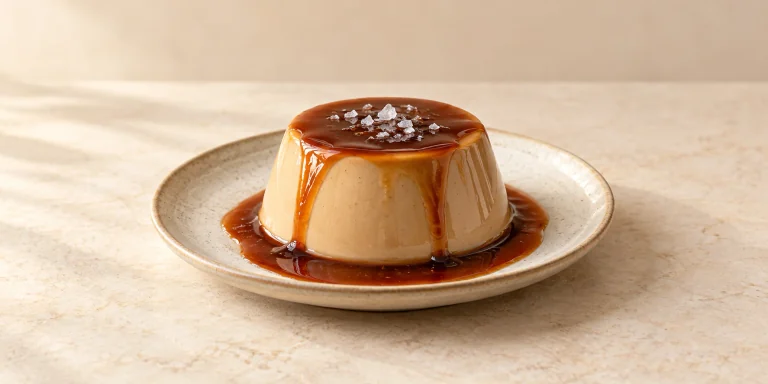
Hojicha Panna Cotta with Black Sugar Caramel
A silky panna cotta deeply infused with roasted hojicha, served with a dark Okinawan black-sugar caramel—toasty, creamy, and quietly addictive.