
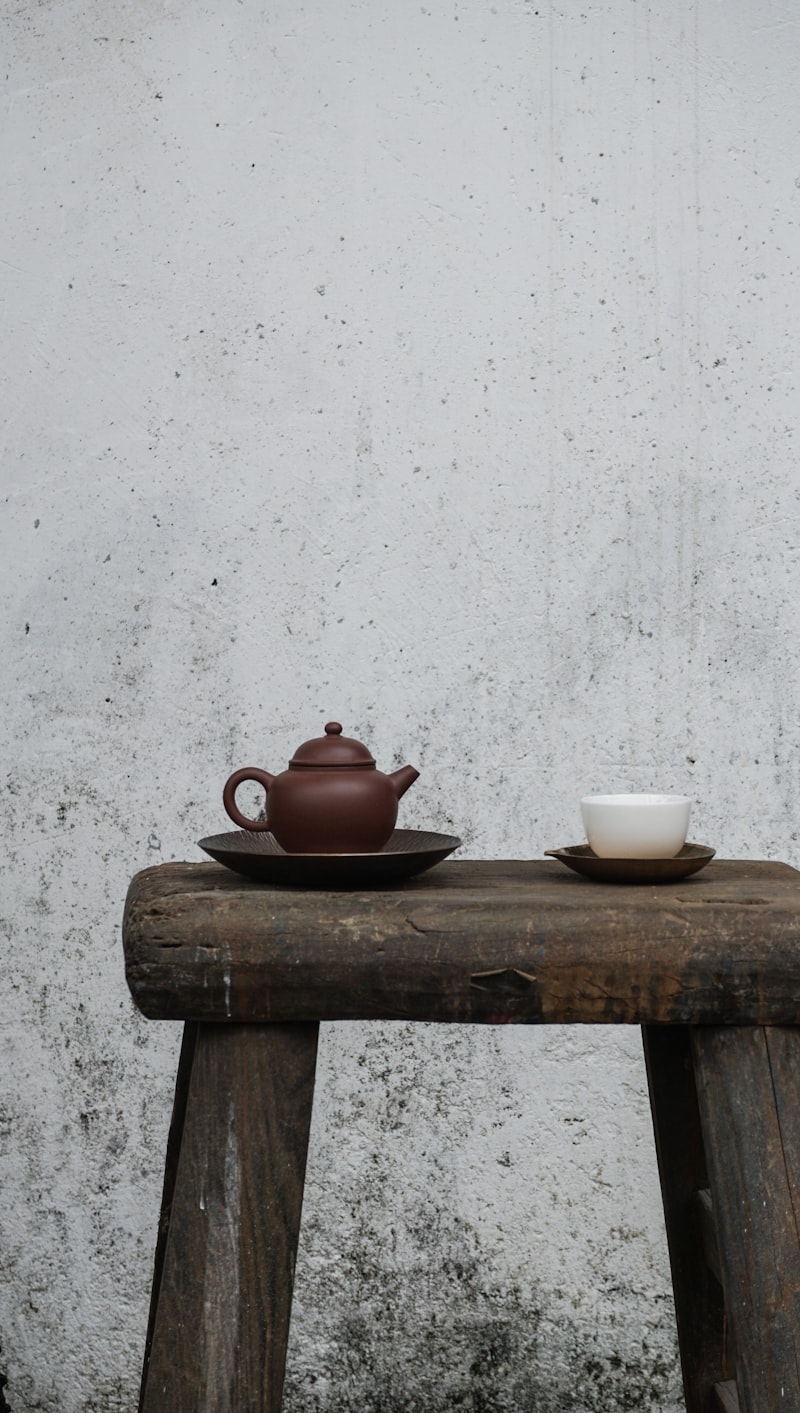
English Breakfast
Black tea
4.6/5 · FindMeTea score
About this tea
English Breakfast is the world's most popular black tea blend, a robust, full-bodied cup designed to pair with the hearty flavors of a traditional British morning meal. Typically combining teas from Assam, Ceylon, and Kenya (or occasionally Chinese Keemun), English Breakfast delivers a rich, malty base with brisk astringency — strong enough to stand up to milk and sugar. It is the everyday workhorse of the tea world, brewed billions of times daily from London to Sydney.
How to brew: 98°C, 4 min, 2.5 g per cup.
Caffeine
High
How to brew
Flavor notes
robust, earthy, malty
Often associated with
Strong wake-up, Energy
Best time to enjoy
Morning
Tags
Where to find it in United States
 Where to find it in United States
- This tea
Harney & Sons
New York · SoHo (ships nationwide)
English Breakfast (loose, 4 oz tin)
US$ 13· 4 oz
In storeOnline433 Broome StreetGo to shop → - This tea
McNulty's Tea & Coffee
New York · Greenwich Village
McNulty's English Breakfast
from US$ 10· 4 oz
In storeOnline109 Christopher StreetGo to shop → - This tea
Chado Tea Room
Los Angeles · Downtown (Little Tokyo) and Hollywood; also Pasadena, Torrance
English Breakfast
US$ 9.88· 4 oz
In storeOnline369 East 1st StreetGo to shop → - This tea
Rishi Tea
Organic English Breakfast (loose leaf)
US$ 18.50· 113 g
OnlineGo to shop → - This tea
Upton Tea Imports
English Breakfast Blend Organic (125 g packet)
US$ 9.50· 125 g
OnlineGo to shop →
Prices checked by us on Sep 5, 2026; they may change.
No shop pays to appear here — we list what we verified ourselves.
Know a shop that sells it? Tell usOrigin & Production
English Breakfast is a masterblend rather than a single-origin tea. The Assam component provides the malty backbone and deep color; Ceylon contributes brightness, body, and a crisp finish; Kenyan teas add briskness and coppery color. Some premium versions include Chinese Keemun for smoothness and complexity. Each tea house guards its own proprietary ratio, making every brand's English Breakfast subtly different.
Production process
Component sourcing
Master blenders source teas from multiple origins — typically strong Assam CTC, bright Ceylon orthodox, and brisk Kenyan CTC — selecting lots that complement each other.
Cupping & recipe design
Professional tasters cup hundreds of samples to design a recipe that delivers consistent flavor, color, and body year-round, adjusting ratios as seasonal crop quality changes.
Blending
The selected teas are combined in large rotating drums that tumble them together until evenly mixed, ensuring each scoop delivers the same taste profile.
Quality assurance & packaging
Final blends are cup-tested against the reference standard, checked for moisture and consistency, then packaged in foil-lined bags or airtight containers to preserve freshness.
History & Tradition
English Breakfast tea's origins are surprisingly debated — with claims stretching from Edinburgh to New York — but its dominance of the global tea market is undisputed.
Tea discovery in Assam
Robert Bruce discovered native tea plants (Camellia sinensis var. assamica) growing wild in Assam, India — the variety that would become the backbone of English Breakfast blends.
Drysdale's Edinburgh blend
Scottish tea merchant Robert Drysdale is often credited with creating the first 'Breakfast tea' — a robust blend of Congou teas marketed specifically as a morning cup in Edinburgh.
Queen Victoria's endorsement
Queen Victoria reportedly brought the blend back from Scotland to Buckingham Palace, and London tea merchants quickly adopted and marketed 'English Breakfast' as their own.
Global standard
English Breakfast became the default tea in hotels, restaurants, and homes across the English-speaking world. Today it accounts for the majority of black tea sales in the UK, Australia, and North America.
Health Benefits
Morning energy boost
With 50–90 mg of caffeine per cup (depending on blend and steeping), English Breakfast is one of the strongest everyday teas — ideal for replacing or complementing morning coffee.
Theaflavin antioxidants
Full oxidation of the tea components produces high levels of theaflavins and thearubigins — powerful antioxidants shown to combat oxidative stress and support immune function.
Sustained focus
L-theanine in the tea base modulates caffeine's stimulating effect, promoting steady concentration over 3–5 hours without the abrupt energy crash associated with coffee.
Cardiovascular wellness
Meta-analyses suggest that regular black tea consumption (3–5 cups daily) is associated with a 10–15% reduction in cardiovascular disease risk, attributed to flavonoid polyphenols.
Digestive aid
Black tea tannins can stimulate digestive enzyme activity and promote healthy gut motility — one reason the blend pairs so naturally with a hearty breakfast.
Grades & Varieties
Traditional blend (CTC-based)
The classic supermarket-style English Breakfast using CTC (Crush, Tear, Curl) processed Assam and Kenyan teas. Strong, brisk, and quick-brewing — designed for tea bags and milk.
Best for
- ✓Quick morning brew with milk
- ✓Tea bags
- ✓Everyday drinking
Premium orthodox blend
Higher-end versions using orthodox-processed whole leaves from Assam, Ceylon, and sometimes Keemun. More nuanced flavor with malt, honey, and stone fruit notes alongside the classic strength.
Best for
- ✓Loose-leaf brewing
- ✓Enjoying with or without milk
- ✓Afternoon upgrade
Irish Breakfast (bolder variant)
A closely related blend with a heavier proportion of strong Assam malt, producing an even more robust, deeply colored cup. Essentially a bolder sibling of English Breakfast.
Best for
- ✓Strong tea lovers
- ✓With generous milk
- ✓Cold morning wake-up
Did you know?
English Breakfast tea may have been named in New York: British immigrant Richard Davies popularized the blend there in 1843, and the name spread internationally before Britain.
Foods with this tea
What to Eat with English Breakfast Tea
English Breakfast's bold, malty body stands up to hearty foods—think full fry-ups, buttered toast, sharp cheddar, and rich pastries.
English Breakfast Tea-Glazed Sausage Rolls
Flaky puff pastry wrapped around herbed pork sausage with a sticky English Breakfast tea and mustard glaze—savory, malty, and addictive.
English Breakfast Tea Sticky Toffee Pudding
A warm, indulgent sticky toffee pudding where dates are soaked in English Breakfast tea—dense, malty, and drenched in toffee sauce.
Drinks with this tea
English Breakfast Ginger-Honey Immunity Brew
Strong English Breakfast tea blended with fresh ginger, raw honey, and lemon—a bold, warming tonic to kickstart your morning defenses.
Iced English Breakfast Milk Tea
Bold English Breakfast tea shaken with milk and brown sugar over ice—a creamy, malty iced tea that rivals any boba shop classic.
English Breakfast Tea Hot Toddy
A warming hot toddy built on English Breakfast tea with whisky, honey, lemon, and cloves—the ultimate cold-weather nightcap.