
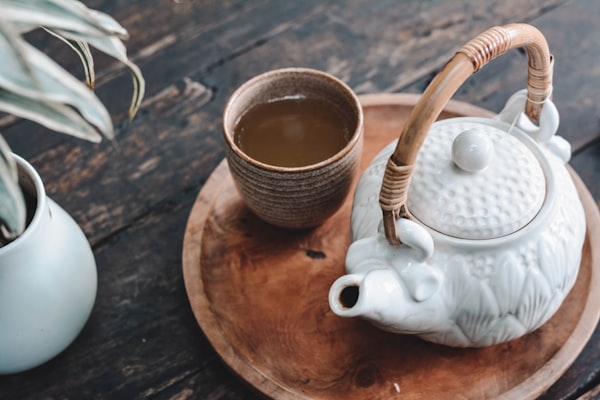
Caramel Black Tea
Black tea
About this tea
Caramel Black Tea is a flavored black tea built for comfort — a smooth, Ceylon-style black tea base infused or coated with rich caramel notes that taste like melted sugar, toasted cream, and a faint hint of toffee. Unlike single-origin black teas prized for terroir, this is a flavored-tea creation: the leaf is chosen mainly as a sturdy, malty canvas, and the caramel character is what defines the cup. It has become one of the most popular flavored tea styles in cafés and grocery aisles worldwide, sitting alongside vanilla and chai as a gateway flavor for people who find plain black tea too austere. Served hot with a splash of milk it tastes like a not-too-sweet dessert; served iced it reads almost like a coffeehouse drink without the coffee.
How to brew: 95°C, 3.5 min, 2.5 g per cup.
Caffeine
Medium
How to brew
Flavor notes
sweet, creamy, malty, warming
Often associated with
Warmth, Comfort
Best time to enjoy
Afternoon, Evening, Mid-afternoon
Tags
Origin & Production
Caramel black tea is not tied to a single growing region — it is a flavored tea, meaning a base black tea (most commonly a Ceylon or Assam-style leaf chosen for its body and malt character) is combined with caramel flavoring after the leaf itself has already been harvested and processed. The flavoring step usually happens at a separate facility from the tea garden, where natural or nature-identical caramel flavoring — sometimes paired with small pieces of toffee, brown sugar crystals, or cocoa nibs for visual appeal — is sprayed or tumbled onto the dried leaf. The category exploded alongside the rise of flavored tea blends in the late 20th century, when consumers increasingly wanted dessert-like, low-effort alternatives to coffee drinks. Quality varies enormously: better versions use natural caramel extracts and a full-leaf base, while lower grades rely on artificial flavoring sprayed onto tea dust or fannings.
Production process
Base leaf selection
A black tea with a smooth, malty, low-astringency profile — typically Ceylon or a milder Assam — is chosen as the base. Leaf grade affects how evenly the flavoring will coat and how the tea holds up to milk.
Caramel flavoring application
Natural or nature-identical caramel flavoring (liquid extract) is sprayed evenly onto the dried tea leaves in rotating drums, allowing the aromatic compounds to adhere to the leaf surface without re-wetting it significantly.
Resting and aroma fixation
Flavored leaves rest in sealed containers for 24–72 hours so the caramel aroma fully binds to the leaf, preventing the flavoring from tasting separate or 'sprayed-on' in the final cup.
Optional inclusions
Premium blends add visual and aromatic accents — caramel bits, toffee pieces, sunflower petals, or cornflowers — that don't significantly alter flavor but signal a higher-quality, hand-finished product.
Quality control and blending
Batches are tasted (cupped) to confirm flavor strength and balance before blending multiple lots together to achieve a consistent caramel intensity across production runs.
Packaging
Flavored tea is packed quickly in aroma-sealed pouches or tins, since caramel notes — like all added flavorings — fade noticeably faster than the natural character of unflavored single-origin teas.
History & Tradition
Caramel black tea belongs to the modern flavored-tea boom — a category with roots in older traditions of scenting tea with fruit, flowers, and smoke, but that took its present commercial form only in the last several decades.
Early flavored tea precedents
Long before caramel tea existed, blenders were already scenting black tea with bergamot oil (Earl Grey) and smoking leaves over pine fires (Lapsang Souchong), establishing that black tea readily takes on added aromatics.
Flavor-extraction technology matures
Advances in flavor and fragrance chemistry made it commercially viable to produce stable, food-safe caramel flavoring extracts that could be sprayed onto dry tea leaf at scale.
Specialty tea retail expansion
Specialty tea retailers in North America and Europe popularized dessert-inspired flavored black teas — caramel, vanilla, and chocolate — as an accessible entry point for new tea drinkers used to flavored coffee.
Café and grocery mainstreaming
Caramel-flavored black tea moved from niche tea shops into mainstream grocery store tea aisles and café menus, often marketed as a lower-caffeine, lighter alternative to caramel-flavored coffee drinks.
Iced tea and bottled-drink boom
Caramel black tea became a popular base for bottled iced teas and café 'latte' style tea drinks, capitalizing on its naturally sweet, dessert-like profile that needs little added sugar.
Natural-flavoring shift
Growing consumer demand for clean-label products pushed many tea brands to reformulate caramel black tea with natural caramel extracts and real caramel pieces rather than purely artificial flavor compounds.
Health Benefits
Steady, moderate energy
As a black tea, caramel black tea carries a moderate caffeine level that delivers a steadier lift than coffee, with less of the jittery spike-and-crash some people experience from espresso drinks.
Antioxidant base from black tea
The underlying black tea leaf retains the theaflavins and thearubigins typical of fully oxidized tea, the same polyphenol compounds studied for their role in everyday antioxidant support.
A lighter dessert ritual
Because the caramel aroma itself reads as sweet, many people find they reach for less added sugar in their cup — turning what could be a sugary drink into a comforting, lower-calorie dessert substitute.
Gentle on the stomach with milk
The smooth Ceylon-style base used for most caramel black teas tends to be lower in harsh tannins than stronger black teas, making it a comfortable choice with milk for those sensitive to astringent, bitter brews.
Warming, comforting ritual
The combination of warm black tea and caramel's roasted-sugar aroma is widely used as an evening comfort ritual — a cup that feels indulgent without the late-day caffeine punch of a second coffee.
Grades & Varieties
Naturally flavored, whole leaf
Whole-leaf Ceylon or Assam base flavored with natural caramel extract, sometimes finished with real caramel or toffee bits. Smoothest texture, most rounded caramel aroma, and the best performance with milk.
Best for
- ✓Everyday hot cup with milk
- ✓Gift tins and premium blends
- ✓Slow afternoon brewing
Standard flavored, broken leaf
Broken-leaf black tea flavored with caramel extract — brews faster and stronger than whole leaf, with a more pronounced sweetness upfront. The most common format in tea bags and grocery store blends.
Best for
- ✓Quick everyday tea bags
- ✓Iced caramel tea
- ✓Office or workplace brewing
Caramel latte blend (with milk powder)
A dessert-style blend combining the caramel black tea base with milk powder or creamer granules, designed to be whisked or shaken into a creamy caramel 'tea latte' without needing fresh milk.
Best for
- ✓Travel and instant preparation
- ✓Café-style iced caramel tea lattes
- ✓Sweet-tooth dessert substitute
Did you know?
Premium caramel black tea blends are finished not with liquid syrup but with tiny bits of real toffee or cocoa nibs — added purely for a hand-finished look and a whisper of extra aroma, since the caramel taste itself comes almost entirely from sprayed natural extract, not sugar.
Foods with this tea

What to Eat with Caramel Black Tea
Caramel black tea's buttery sweetness loves baked goods, salty-sweet snacks, and creamy dairy — here's how to build the perfect pairing plate.
Caramel Black Tea-Glazed Roasted Carrots
A strong brew of caramel black tea reduces into a glossy glaze for roasted carrots, balanced with butter, thyme, and a hit of flaky salt.
Caramel Black Tea Crème Brûlée
A silky baked custard infused with caramel black tea, finished with a classic torched sugar crust — the tea's flavor doubles down on the caramel theme.
Drinks with this tea

Caramel Black Tea Golden Hour Tonic
A calming evening tonic that pairs caramel black tea with warm milk, a touch of honey, and cinnamon for a cozy, lightly caffeinated wind-down ritual.
Iced Caramel Black Tea Latte
A cold-brewed caramel black tea shaken with milk over ice for a smooth, café-style tea latte that needs almost no added sugar.
Salted Caramel Black Tea Old Fashioned
A caramel black tea-infused bourbon meets brown sugar and a touch of salt in this dessert-leaning twist on the classic Old Fashioned — with a non-alcoholic mocktail version included.