
Sage
Herbal infusion
About this tea
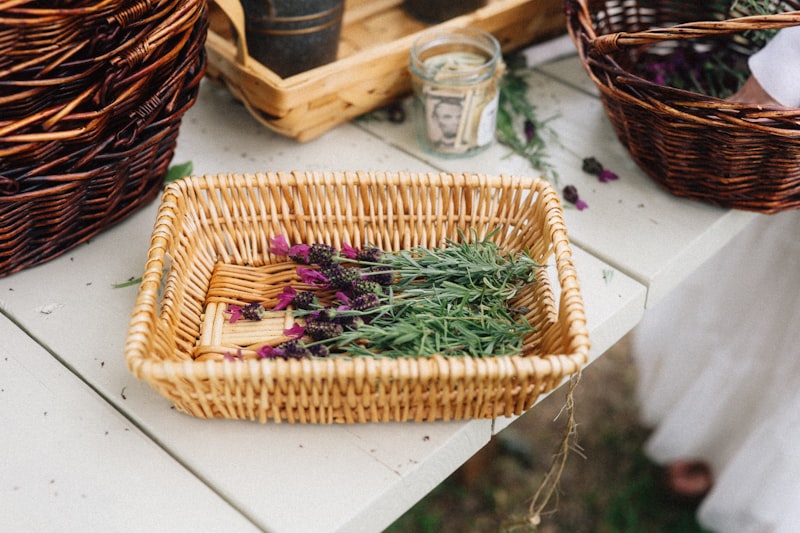
Sage (Salvia officinalis) is a savory, slightly camphorous herbal infusion — not a true tea — made from the grey-green leaves of a Mediterranean shrub in the mint family. Its herbaceous, faintly peppery character has made it a beloved after-meal herb and a traditional sore-throat gargle across Europe for centuries. Sage leaves are rich in aromatic compounds such as cineole, camphor, and rosmarinic acid, which give the brew its distinctive resinous aroma. Because the plant naturally contains thujone, sage infusions are best enjoyed in moderate amounts rather than as a high-dose daily habit. Caffeine-free and grounding, sage is a classic herb for a calm, savory moment of comfort.
How to brew: 90°C, 4 min, 1 g per cup.
Caffeine
None
How to brew
Flavor notes
vegetal, aromatic, earthy, minty
Often associated with
Digestive comfort, Calm
Best time to enjoy
After a meal, Afternoon, Evening
Tags
Origin & Production
Sage is native to the rocky, sun-baked hillsides of the northern Mediterranean, thriving in the dry limestone soils of Spain, France, Italy, and the Dalmatian coast of the Balkans. The Dalmatian region of Croatia is particularly renowned for producing aromatic, high-camphor sage prized by herbalists. The evergreen shrub loves full sun and well-drained ground, conditions that concentrate its essential oils. Today sage is cultivated commercially across the Mediterranean and in temperate gardens worldwide, but the finest culinary and infusion-grade leaves still come from its traditional sunny heartland.
Production process
Harvesting
Leaves are gathered from the upper stems just before or during flowering in late spring and early summer, when their aromatic oil content is at its peak.
Drying
Freshly cut sprigs are tied in small bunches and air-dried in a warm, shaded, well-ventilated space for one to two weeks to preserve the delicate camphorous aroma.
Stripping & sorting
Once brittle, leaves are stripped from the woody stems and sorted by quality. Whole, silvery, unbroken leaves with a strong scent are graded highest.
Cutting & packing
Leaves are left whole for premium infusions or cut for tea bags, then packed in sealed, light-protected containers to lock in the volatile oils.
History & Tradition
Sage has been one of the most esteemed herbs of the Western world for over two thousand years, its very name — from the Latin salvere, 'to be well' — reflecting the high regard in which it was held by ancient and medieval cultures alike.
A sacred herb
The Romans regarded sage as a holy herb, harvesting it with ceremony and using its infusions as a savory after-meal drink and a soothing gargle for the throat.
Monastery gardens
Sage was a staple of monastic physic gardens across Europe, immortalised in the saying 'Why should a man die while sage grows in his garden?' — a reflection of its prized place in everyday wellness.
Herbalists' favourite
Renaissance herbalists praised sage in their printed herbals, recommending the leaf as an after-meal tonic and a traditional rinse for the mouth and throat.
Gerard's Herball
English botanist John Gerard described sage at length in his famous Herball, cementing the plant's reputation as a kitchen and comfort herb in Tudor England.
Traded for tea
Dutch merchants are said to have traded dried sage to China for green tea, sometimes receiving several times the weight in tea — a testament to how highly sage was valued abroad.
Everyday comfort herb
Sage settled into modern kitchens and tea cupboards as a warming after-meal infusion and a traditional gargle, while research began examining its aromatic compounds.
Health Benefits
After-meal comfort
Sage's warm, savory, slightly resinous character makes it a classic herb to sip after a rich meal, a Mediterranean tradition for settling into a calm, comfortable digestive moment.
Soothing throat ritual
A traditional warm sage infusion, cooled and used as a gentle gargle, has been a folk comfort for scratchy throats across Europe for generations.
Aromatic antioxidants
Sage leaves are naturally rich in rosmarinic acid and other plant polyphenols, the same aromatic compounds that give the herb its lively scent and grounding flavor.
Clear, grounded feeling
Sage's crisp, herbaceous aroma has long been associated with a sense of clarity and focus, making a warm cup a pleasant companion for a quiet, attentive pause.
Caffeine-free calm
Naturally free of caffeine, sage offers a warming, grounding moment at any hour, including the evening, when a savory herbal cup feels especially comforting.
Mindful moderation
Because sage naturally contains thujone, it is best enjoyed in moderate amounts; those who are pregnant or breastfeeding, or who have epilepsy, are traditionally advised to avoid high or prolonged doses.
Grades & Varieties
Whole dried leaf
Complete, silvery-grey dried sage leaves with a strong, resinous, camphorous aroma. The traditional choice for a robust, full-flavored after-meal infusion or a soothing gargle.
Best for
- ✓After-meal infusion
- ✓Traditional throat gargle
- ✓Standalone savory cup
Cut leaf (tea bags)
Sage leaves cut into small, uniform pieces for convenient, consistent brewing in tea bags. A little gentler than whole leaf and ideal for everyday cups.
Best for
- ✓Daily herbal cup
- ✓Travel-friendly format
- ✓Blending with lemon or mint
Sage & lemon blend
A popular blend pairing sage with lemon, lemon balm, or honey notes, brightening the herb's savory edge into a softer, more approachable everyday infusion.
Best for
- ✓Newcomers to sage
- ✓Evening wind-down cup
- ✓Milder, brighter flavor
Did you know?
The herb's name comes from the Latin salvere, 'to be well', and a medieval European saying asked, 'Why should a man die while sage grows in his garden?'
Foods with this tea

What to Eat with Sage Tea
Sage's savory, slightly camphorous, herbaceous profile pairs naturally with rich Mediterranean comfort food—roasted poultry, buttery pasta, hearty breads, and aged cheeses.
Sage Tea-Braised White Beans with Garlic
Creamy white beans gently braised in a savory sage infusion with garlic and olive oil—a rustic Mediterranean side that's pure comfort in a bowl.
Sage and Honey Panna Cotta
A silky Italian panna cotta gently infused with sage and sweetened with honey—the herb's savory edge keeps the cream elegant rather than cloying.
Drinks with this tea
Soothing Sage, Lemon, and Honey Infusion
A warming after-meal infusion combining sage's savory herb with bright lemon and soothing honey—a classic Mediterranean comfort cup for a calm, grounded moment.
Iced Sage and Grapefruit Cooler
Cold-brewed sage blended with fresh grapefruit and a touch of honey—a savory-bright, caffeine-free cooler that refreshes without weighing you down.
Sage and Honey Gin Sour
A herbaceous gin sour built on sage-infused syrup, fresh lemon, and honey—with an easy non-alcoholic mocktail version for a savory, grown-up sip any time.