
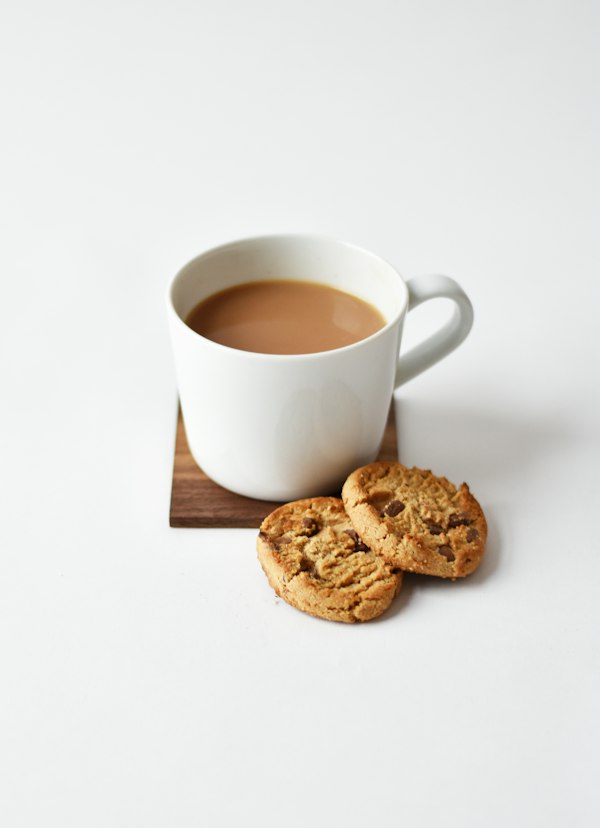
Lotus Tea
Green tea
About this tea
Lotus tea (trà sen) is one of Vietnam's most celebrated specialty teas: a delicate green tea — most often the high-mountain Shan Tuyet or Thai Nguyen green leaf — that is scented overnight inside fresh-picked lotus blossoms until it absorbs their heady, sweet floral perfume. Rather than blending dried petals into the leaf, traditional makers tuck loose tea directly into the heart of a living lotus flower at dusk, let the blossom close around it through the night, then extract the perfumed leaf again before sunrise. The result is a green tea with a luxuriously layered aroma — vegetal and grassy from the leaf, lifted by a warm, honeyed lotus sweetness that lingers far longer than any added flavoring could. Centered on Hanoi's West Lake (Hồ Tây), where the prized Bách Diệp lotus has grown for centuries, trà sen is a labor-intensive luxury historically reserved for royalty and special guests. A single kilogram of finished tea can require well over a thousand lotus flowers, which is why authentic ướp sen (lotus-scented) tea remains one of the most prized and expensive teas in Vietnam.
How to brew: 80°C, 2 min, 3 g per cup.
Caffeine
Low
How to brew
Flavor notes
floral, sweet, honeyed, vegetal
Often associated with
Gentle relaxation, Calm alertness
Best time to enjoy
Early afternoon, Mid-afternoon, Afternoon
Tags
Origin & Production
Authentic lotus tea is rooted in Hanoi, specifically the shallow ponds ringing West Lake (Hồ Tây), historically home to the Bách Diệp lotus — a heirloom pink variety prized above all others for its unusually intense, complex fragrance. Lotus farmers there have grown and harvested these flowers for the scenting trade for generations, working at dawn when the blossoms are tightly closed and their fragrance is most concentrated. The base tea itself is not grown locally at the lake; it typically comes from green tea producing regions further north, such as Thai Nguyen or the high-altitude Shan Tuyet gardens of Ha Giang and Yen Bai, and is brought to Hanoi specifically to be scented. This combination — mountain-grown green leaf married with lowland lake-grown lotus — is what makes trà sen a uniquely Hanoian craft rather than simply 'a tea from Vietnam.' Urban encroachment and shrinking lotus ponds around West Lake in recent decades have made flowers from the original Bách Diệp stock increasingly scarce, pushing up prices and prompting some producers to source lotus from the Mekong Delta or Hue instead, though connoisseurs still consider West Lake lotus the gold standard.
Production process
Pre-dawn flower harvest
Lotus blossoms are picked by boat from the ponds at first light, while still tightly closed, since fragrance is most concentrated before the sun opens the petals and dissipates the scent.
Stuffing the blossom
Each flower is gently opened by hand and packed with a measured amount of high-quality green tea leaf, then the petals are folded closed or tied shut around the tea.
Overnight scenting
The stuffed flowers rest overnight, sometimes for 18–24 hours, allowing the tea leaves to slowly absorb the lotus's volatile aromatic oils as the blossom continues to respire.
Extraction and re-drying
Workers carefully unwrap each flower to remove the now-fragrant tea, discard the spent petals, and gently re-dry the leaf at low heat to lock in the scent without scorching it.
Repeated scenting cycles
For premium grades, the same tea leaf is stuffed into fresh flowers and re-scented multiple times — sometimes five to seven cycles — each pass deepening the aroma and dramatically raising the flower-to-tea ratio required.
Final packaging
Finished lotus tea is sealed quickly in airtight tins or foil pouches, since the delicate scent fades with light, heat, and air exposure far faster than ordinary green tea's flavor does.
History & Tradition
Lotus tea grew out of imperial Vietnam's broader tradition of flower-scented teas and is widely remembered as a refined court pleasure before it slowly became accessible to wider Hanoian society.
A court delicacy
Lotus-scented tea is traditionally associated with the Nguyễn imperial court, where elaborate flower-scenting techniques for tea, including lotus, were prized refinements practiced for emperors and high-ranking officials.
West Lake households take it up
Families living around Hanoi's West Lake, with direct access to lotus ponds, began scenting tea at home as a seasonal craft, gradually establishing the area's reputation as the heartland of authentic trà sen.
A gift of distinction
Through decades of war and hardship, lotus tea persisted as a special-occasion gift in Hanoi — reserved for Lunar New Year, weddings, and honored guests — precisely because the flowers and labor required made it scarce and costly.
Economic opening, wider access
As Vietnam's economy opened (Đổi Mới reforms) and domestic tourism grew, small-batch lotus tea producers around West Lake began selling more openly to visitors and exporters, turning a once-private family craft into a recognizable national specialty.
Scarcity and rising prestige
Urban development has steadily shrunk West Lake's traditional lotus ponds, making genuine multi-scented Bách Diệp lotus tea increasingly rare and pricey, while demand from Vietnamese diaspora communities and international tea drinkers has only grown.
Health Benefits
Gentle green tea polyphenols
As a true green tea at its core, lotus tea carries the catechins and other polyphenols typical of lightly oxidized Camellia sinensis, offering the same general antioxidant-supporting qualities associated with green tea drinking traditions.
Calm, focused alertness
Lotus tea's moderate caffeine paired with L-theanine naturally present in green tea leaf is traditionally associated with a smooth, steady kind of mental clarity rather than a jittery jolt — well suited to quiet study or reflective work.
A ritual of slowing down
In Vietnamese tradition, lotus tea is brewed and sipped slowly, often in small cups shared with guests; the unhurried ceremony itself is considered part of the tea's value, encouraging a moment of calm connection.
Lotus aroma compounds
The lotus flower itself has a long history in traditional Vietnamese and Chinese herbal use, where its various parts (seeds, leaves, stamens) are valued; the scenting process transfers some of the flower's aromatic volatile oils into the tea, though primarily for fragrance rather than concentrated dosing.
Light, comforting warmth
Served warm in small porcelain cups, lotus tea offers the same gentle digestive comfort many people associate with sipping warm green tea after a meal, without the heaviness of darker, more oxidized teas.
Grades & Varieties
Single-scented (ướp sen một lần)
Green tea scented inside lotus blossoms just once, for a single overnight cycle. The most accessible and affordable style, with a clear but lighter lotus fragrance layered over a fresh, grassy green tea base.
Best for
- ✓Everyday floral green tea
- ✓First-time tasters of lotus tea
- ✓Lighter afternoon sipping
Multi-scented (ướp sen nhiều lần)
The same batch of tea leaf is stuffed into fresh lotus flowers and re-scented across several cycles, dramatically intensifying the aroma. This is the premium, traditional style historically given as a refined gift.
Best for
- ✓Special occasions and gifting
- ✓Connoisseurs seeking deep aroma
- ✓Vietnamese tea ceremony
Bách Diệp West Lake lotus
Made exclusively with the heirloom Bách Diệp pink lotus from Hanoi's West Lake, considered the most fragrant variety and the historic standard against which all other lotus tea is judged. Increasingly rare and expensive as the original ponds shrink.
Best for
- ✓Collectors and tea connoisseurs
- ✓Authentic Hanoi heritage experience
- ✓Once-a-year indulgence
Did you know?
Authentic Vietnamese lotus tea is scented overnight inside living lotus blossoms picked at dawn on Hanoi's West Lake — a single kilogram of finished tea can require well over a thousand flowers.
Foods with this tea
What to Eat with Lotus Tea
Lotus tea's delicate green base and heady floral perfume call for light, fresh Vietnamese dishes and gentle sweets that won't drown out its fragrance.
Lotus Tea-Steamed Fish with Ginger and Scallion
A whole fish gently steamed over lotus tea leaves, infusing the flesh with a delicate floral fragrance — a Hanoi-inspired dish built for the tea's perfume.
Lotus Tea and Lotus Seed Sweet Soup (Chè Sen)
A silky Vietnamese sweet soup of tender lotus seeds simmered in lotus tea-infused syrup — a dessert that doubles down on lotus from flower to seed.
Drinks with this tea
Lotus Tea and Honey Calming Tonic
A gentle, warming evening tonic that pairs lotus tea's delicate floral perfume with honey and a touch of fresh ginger for a soothing wind-down ritual.
Iced Lotus Tea with Coconut and Lime
Cold-brewed lotus tea swirled with creamy coconut water and a squeeze of lime — a refreshing tropical riff on Hanoi's signature scented green tea.
Lotus Tea and Lychee Mocktail
A fragrant, non-alcoholic mocktail pairing lotus tea with sweet lychee and sparkling water — a celebratory sipper that lets the tea's floral perfume take center stage.