
Moroccan Mint
Green tea
About this tea
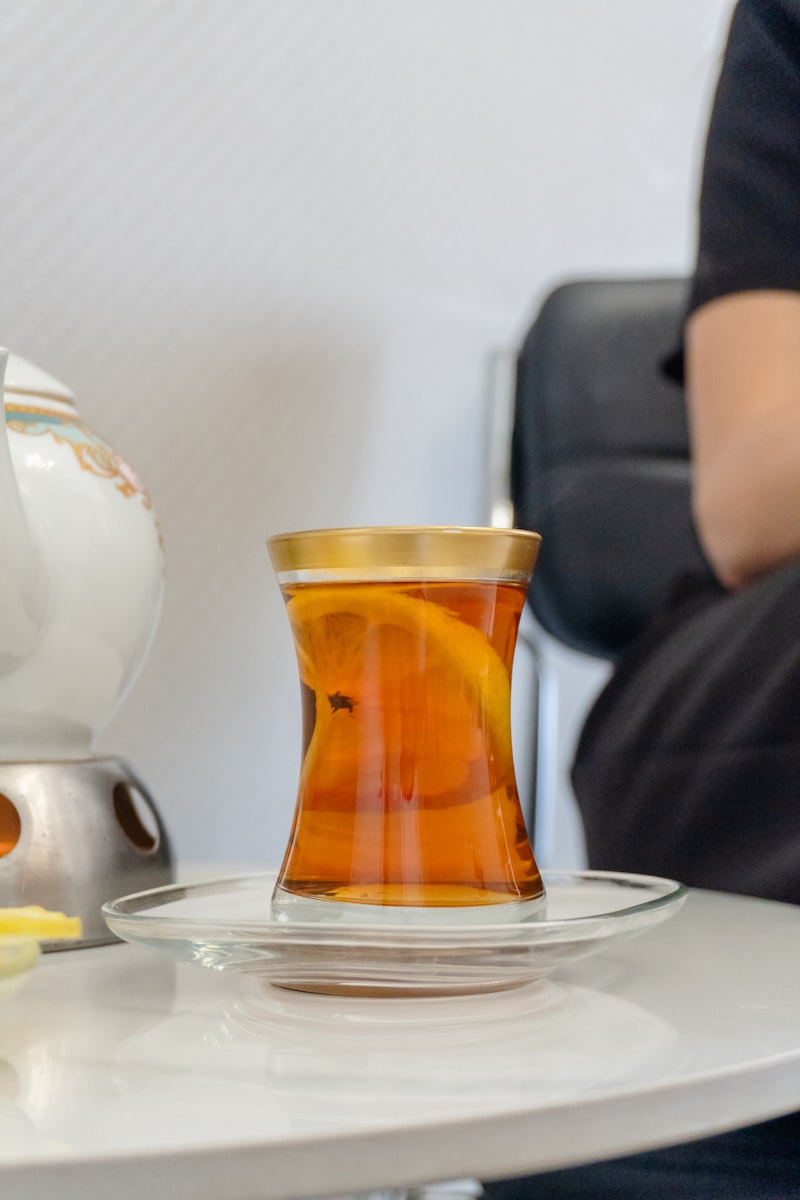
Moroccan Mint (Maghrebi mint tea, known locally as 'atay') is the iconic national drink of Morocco and much of North Africa — a recipe blend of Chinese gunpowder green tea, fresh spearmint (Mentha spicata, 'na'na'), and generous amounts of sugar, brewed and served from a tall silver teapot in narrow glasses. The gunpowder provides a slightly smoky, astringent green-tea backbone; the spearmint contributes a sweet, cooling carvone aroma; and the sugar both balances the tannins and is a sign of generous hospitality. Far more than a beverage, atay is the centerpiece of Moroccan social ritual.
How to brew: 95°C, 4 min, 3 g per cup.
Caffeine
Medium
How to brew
Flavor notes
minty, refreshing, sweet, smoky
Often associated with
Gentle focus, Digestive comfort
Best time to enjoy
Mid-morning, After a meal, Early afternoon
Tags
Origin & Production
Moroccan Mint is not a single-origin tea but a recipe blend. Its base ingredient — Chinese gunpowder green tea — comes primarily from Zhejiang Province, with Morocco importing tens of thousands of tonnes annually, making it one of the world's largest green-tea importers per capita. The spearmint (na'na) is grown widely across Morocco, particularly in Meknès and the Atlas valleys, where the climate produces a notably aromatic variety. Sugar — usually as a hard cone-shaped loaf (pain de sucre) — has been imported and refined locally since the 19th century.
Production process
Ingredients (traditional recipe per 1L pot)
Approximately 1 tablespoon (10–15 g) of gunpowder green tea, a large bunch of fresh spearmint (Mentha spicata), and 4–6 small chunks broken from a sugar loaf (roughly 50–80 g of sugar). Spring water is traditionally preferred.
Rinse the tea
Place the gunpowder in the empty teapot, pour a small amount of boiling water over it, swirl briefly, and discard the water. This rinse removes surface dust and softens the leaves' astringency.
First steep with sugar
Add the sugar chunks and pour boiling water over the tea. Let it steep for 3–5 minutes. The boiling water and sugar dissolve together with the tea — this is how Moroccan mint tea is traditionally prepared.
Add mint
Stuff the fresh spearmint leaves and stems into the pot (or place them in the serving glasses). Let the mint infuse for another 2–3 minutes off the heat, releasing its sweet, cooling aroma.
Pour from a height
Pour the tea from at least 30 cm above each glass. This aerates the tea, creates a frothy crown ('keshkasha') on top, and is the signature flourish of Moroccan tea service. The first glass is often poured back into the pot to mix the brew evenly.
History & Tradition
Although tea drinking in Morocco feels timeless, the Moroccan mint tea ritual as we know it is only around 170 years old, born from a confluence of British trade, the Crimean War, and Moroccan hospitality traditions.
Mint infusions in the Maghreb
Before the arrival of tea, North Africans drank infusions of local herbs — mint, wormwood, and sage — sweetened with honey or sugar. The custom of an aromatic, sweet hot drink served to guests was already deeply established.
First tea arrives via diplomacy
Chinese green tea reached Morocco in small quantities as diplomatic gifts to the Sultan, but remained a rare luxury. It was not yet a national drink.
Crimean War redirects gunpowder tea
During the Crimean War, British merchants lost access to their usual Baltic and Slavic markets and redirected large stocks of Chinese gunpowder tea to Moroccan ports (Tangier, Essaouira). Moroccans combined it with their existing mint-and-sugar infusion tradition, creating Maghrebi mint tea.
From elite drink to national ritual
As tea and sugar became more affordable, atay spread from urban elites to every Moroccan household. By the late 19th century, the silver teapot and three-pour service had become inseparable from Moroccan hospitality and family life.
UNESCO and global reach
Maghrebi tea culture has been studied as part of the region's intangible heritage, and Moroccan mint tea is served in restaurants and cafés worldwide. Morocco remains one of the world's largest per-capita importers of Chinese green tea.
Health Benefits
Gentle energy with focus
Gunpowder green tea provides moderate caffeine (~30–45 mg per cup) together with L-theanine, supporting alert, calm focus. Suitable for morning or early-afternoon drinking; avoid late evening if caffeine-sensitive.
Digestive comfort after meals
Spearmint contains carvone and limonene, which relax smooth muscle in the gastrointestinal tract and may ease bloating and post-meal heaviness. This is one reason atay is traditionally served after every meal in Morocco.
Antioxidant catechins
Gunpowder retains polyphenols including EGCG and EGC. Regular green tea intake has been linked in epidemiological studies to favorable cardiovascular markers, including modest reductions in LDL cholesterol.
Refreshing in heat
Despite being served hot, Moroccan mint tea is paradoxically cooling — menthol-like carvone from the spearmint activates cold-sensing receptors in the mouth, producing a refreshing sensation well-suited to North Africa's climate.
Safety & considerations
Traditional preparation is heavily sweetened; people managing diabetes or reducing added sugar should use a reduced-sugar or unsweetened version. Gunpowder contains caffeine — pregnant or caffeine-sensitive drinkers may prefer the caffeine-free spearmint-only variation. Green tea may interact with iron absorption when taken with meals.
Grades & Varieties
Classic Moroccan recipe (gunpowder + spearmint + sugar)
The traditional preparation: gunpowder green tea, a generous bunch of fresh spearmint, and sugar (often 4–6 lumps per pot). Sweet, fragrant, and slightly astringent, served piping hot in narrow glasses. The benchmark of Moroccan hospitality.
Best for
- ✓Authentic Moroccan experience
- ✓After lunch or dinner
- ✓Hosting guests
Reduced-sugar variation
Same gunpowder and spearmint base but with sugar cut by half or replaced with a small amount of honey added off-heat. Preserves the herbal aroma while bringing the tea's natural bitterness forward. Closer to a typical European-style green-tea brew.
Best for
- ✓Daily drinking
- ✓Reducing added sugar
- ✓Pairing with sweets that already provide sweetness
Caffeine-free 'mint-only' variation
A widespread household variant: skip the gunpowder entirely and steep a generous bunch of fresh spearmint (and sometimes a sprig of fresh peppermint or wormwood) in hot water with sugar. Caffeine-free, slightly less complex, and ideal for evenings or children.
Best for
- ✓Evening or late-night drinking
- ✓Caffeine-sensitive drinkers
- ✓Children & pregnancy-friendly
With wormwood (chiba)
A winter variation popular in some Moroccan households: a small sprig of wormwood (Artemisia absinthium, 'chiba') is added to the gunpowder-mint blend for a slightly bitter, warming, medicinal note. Used sparingly — wormwood should not be consumed daily over long periods.
Best for
- ✓Cold weather
- ✓Traditional winter ritual
- ✓Occasional use only
Did you know?
Moroccan mint tea only became Morocco's national drink by accident: during the Crimean War (1853–1856), British merchants lost their usual Slavic and Baltic markets and dumped huge stocks of Chinese gunpowder green tea into Moroccan ports — the locals married it to their pre-existing mint-and-sugar infusion tradition, and within a generation it was inseparable from Moroccan hospitality.
Foods with this tea
What to Eat with Moroccan Mint Tea
Moroccan mint tea's sweet, refreshing blend of gunpowder green tea and fresh mint is the natural companion to tagines, couscous, fattoush salads, and honey-soaked North African pastries.
Moroccan Mint Tea-Braised Lamb with Apricots and Almonds
Tender lamb shoulder slow-braised in a Moroccan mint tea broth with dried apricots, almonds, and warm spices—served over fluffy couscous for a true taste of the Maghreb.
Ghoriba Almond Cookies with Moroccan Mint Tea Glaze
Crackle-topped Moroccan almond cookies with a delicate Moroccan mint tea glaze—nutty, floral, and the perfect partner for an afternoon pot of atay.
Drinks with this tea

Traditional Moroccan Mint Tea (Three-Pour Atay)
The classic Atay b'Naana served the way Moroccan households have done it for generations—Gunpowder green tea, fresh spearmint, and sugar, poured three times from a height for the signature mousse on top.
Iced Moroccan Mint Tea over Crushed Ice
The traditional Atay reinvented for summer—strong, sweet Moroccan mint tea poured over crushed ice with extra spearmint and a slice of lemon for North African refreshment in a glass.
Moroccan Mint Mojito
A North African twist on the Cuban classic—Moroccan mint tea, white rum, fresh lime, and muddled spearmint for a cocktail that bridges Marrakech and Havana.