
English Afternoon
Black tea
About this tea
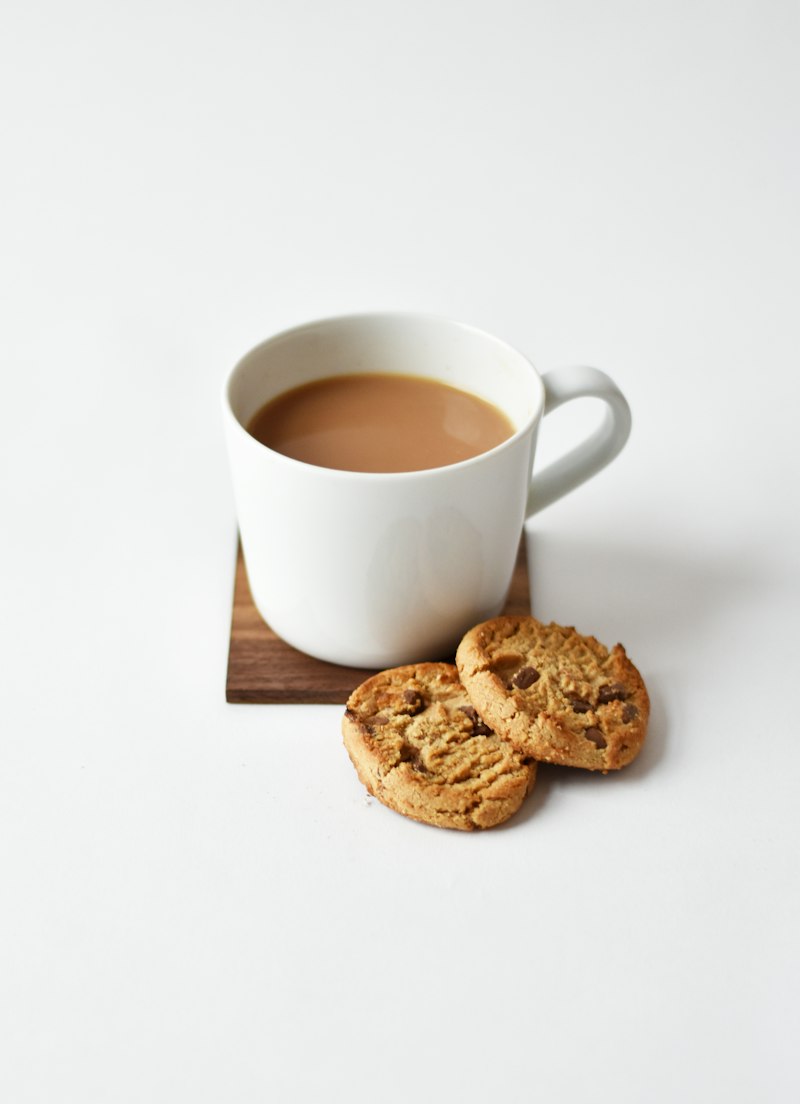
English Afternoon is the lighter, more elegant counterpart to English Breakfast — a black tea blend specifically designed for the British 'low tea' or 'afternoon tea' tradition that emerged in the 1840s. Typically built around Ceylon and Darjeeling (and sometimes Kenyan or Assam in smaller proportion), it produces a brighter, less astringent cup with a more aromatic, slightly floral profile. Where Breakfast is built to stand up to bacon and eggs, Afternoon is built to complement scones, cucumber sandwiches and Victoria sponge.
How to brew: 95°C, 3.5 min, 2.5 g per cup.
Caffeine
Medium
How to brew
Flavor notes
floral, fruity, smooth
Often associated with
Moderate energy, Clarity
Best time to enjoy
Early afternoon, Mid-afternoon
Tags
Origin & Production
English Afternoon is a master blend rather than a single-origin tea. The classic recipe leans on bright, citrus-edged Ceylon (often from the Dimbula or Nuwara Eliya high-grown districts) and aromatic, muscatel-tinged Darjeeling. Some blends add a small portion of Kenyan or Assam to round out the body without overwhelming the lighter character. Each tea house guards its proprietary ratio, but the design intent is consistent: a clean, aromatic, less-tannic cup tuned for mid-afternoon enjoyment.
Production process
Component selection
Blenders prioritize bright Ceylon high-grown teas and aromatic Darjeeling — selecting lots whose lighter profiles complement rather than compete with each other.
Cupping & recipe tuning
Professional tasters cup each lot, adjusting proportions seasonally — Darjeeling first-flush versus second-flush characteristics, Ceylon dry-season versus wet-season briskness — to keep the house style consistent.
Blending
Component teas are combined in rotating drums until uniformly distributed, then sampled again to verify the final balance.
Loose-leaf or bag packing
Premium versions are packed as loose leaf for orthodox brewing; mass-market versions are packed in tea bags. Foil-lined packaging protects the aromatic Darjeeling notes from oxygen.
History & Tradition
English Afternoon is intertwined with the 19th-century invention of afternoon tea — one of the great social rituals of Victorian Britain.
Anna, Duchess of Bedford invents afternoon tea
Anna Russell, 7th Duchess of Bedford, popularized 'afternoon tea' as a small light meal taken between lunch and the late-evening dinner — sandwiches, cakes and tea served at around 4 pm.
Ceylon tea begins large-scale production
After coffee blight devastated Sri Lankan plantations, Scottish planter James Taylor pioneered commercial tea cultivation at Loolecondera Estate (1867), giving English blenders a bright, fresh new component.
Tea rooms & hotel afternoon tea
Hotels (notably The Ritz and The Savoy in London) and tea rooms standardized afternoon tea service. Lighter, more aromatic blends became the norm for these settings, distinguishing them from morning breakfast tea.
Twinings popularizes the named blend
Major British tea houses, including Twinings, codified and marketed 'English Afternoon' as a distinct blend — designed for low tea and afternoon visits — to sit alongside English Breakfast on supermarket shelves and in cafes.
Health Benefits
Gentle alertness
Lighter blends like English Afternoon typically deliver 30–50 mg of caffeine per cup — enough to sustain the afternoon without disturbing evening sleep when finished before 4–5 pm.
Aromatic polyphenols
Darjeeling and Ceylon teas contribute distinctive flavonoid profiles in addition to standard theaflavins and thearubigins — combining antioxidant activity with the aromatic compounds responsible for the muscatel character.
Cardiovascular support
Like other regular black-tea drinking, daily consumption is linked in epidemiological studies with healthier blood pressure and cholesterol profiles, attributed to its flavonoid polyphenols.
Digestive companion
A lighter brew between lunch and dinner is gentle on digestion — the tannins encourage mild digestive movement without the heaviness of a strong breakfast blend.
Social uplift
The combination of moderate caffeine, L-theanine, and the social ritual of afternoon tea itself — sitting down with someone over a cup — supports mood, focus and connection through a familiar low-stakes pause.
Grades & Varieties
Ceylon-led classic
A traditional bright, brisk Ceylon-dominant English Afternoon — high-grown Dimbula or Nuwara Eliya lots forming the bulk of the blend, with a touch of Darjeeling or Kenyan for complexity.
Best for
- ✓Afternoon tea service
- ✓Drinking with or without milk
- ✓Pairing with scones and clotted cream
Ceylon–Darjeeling aromatic blend
A more aromatic style with a higher proportion of Darjeeling, contributing muscatel, stone-fruit and floral notes alongside Ceylon's brightness. Best enjoyed neat to appreciate the Darjeeling aromatics.
Best for
- ✓Tea connoisseurs
- ✓Drinking without milk
- ✓Light afternoon refreshment
Modern multi-origin blend
A contemporary supermarket-style English Afternoon adding Kenyan or Assam in modest proportion for extra body and color, while keeping the overall character lighter than English Breakfast.
Best for
- ✓Everyday afternoon cup
- ✓Tea bags
- ✓With a splash of milk
Did you know?
Afternoon tea was invented in the 1840s by Anna Russell, 7th Duchess of Bedford, who felt a 'sinking feeling' between lunch and the late Victorian dinner. The lighter, brighter English Afternoon blend — typically Ceylon-led with Darjeeling — was designed precisely for that 4 pm pause.
Foods with this tea
What to Eat with English Afternoon Tea
English Afternoon's lighter, floral-fruity Ceylon-and-Darjeeling profile is built for finger sandwiches, scones with jam and clotted cream, Victoria sponge, and fruit tarts.
Classic Cucumber Tea Sandwiches
Thin slices of cucumber on buttered white bread with a whisper of mint—the most iconic English afternoon-tea sandwich, and the perfect companion to English Afternoon tea.
Classic Victoria Sponge with Raspberry Jam
A pillowy two-layer sponge sandwiched with raspberry jam and whipped cream, finished with a dusting of caster sugar—the queen of English afternoon-tea cakes.
Drinks with this tea
English Afternoon Lemon and Honey Brew
A lighter, floral afternoon tea brightened with fresh lemon and raw honey—the classic between-meals ritual that soothes and gently lifts you.
Iced English Afternoon with Peach and Mint
Cold-brewed English Afternoon poured over muddled peach and fresh mint—a floral, fruit-forward iced tea perfect for a garden afternoon.
English Afternoon Tea Pimm's Cup
A garden-party twist on the classic Pimm's Cup—built on cold-brewed English Afternoon with cucumber, strawberry, orange, and lemonade.