
What to Eat with English Afternoon Tea
English Afternoon's lighter, floral-fruity Ceylon-and-Darjeeling profile is built for finger sandwiches, scones with jam and clotted cream, Victoria sponge, and fruit tarts.
English Afternoon is the gentler cousin of English Breakfast. Where Breakfast leans hard on Assam for a malty, brisk punch, Afternoon usually combines Ceylon (bright, mildly citrusy) with Darjeeling (light, muscatel, floral) and sometimes a touch of Kenyan or Assam for body. The result is medium-bodied, fragrant, and refreshing—the textbook tea for the 4 o'clock tray.
The whole rationale of the blend is the afternoon-tea spread, so the pairings practically write themselves. Start with finger sandwiches: cucumber and butter on white bread, egg-and-cress, watercress with cream cheese, and roast chicken with mayonnaise. The tea's brisk Ceylon backbone keeps the palate clean between bites, while the Darjeeling florals echo the herbal notes in the fillings.
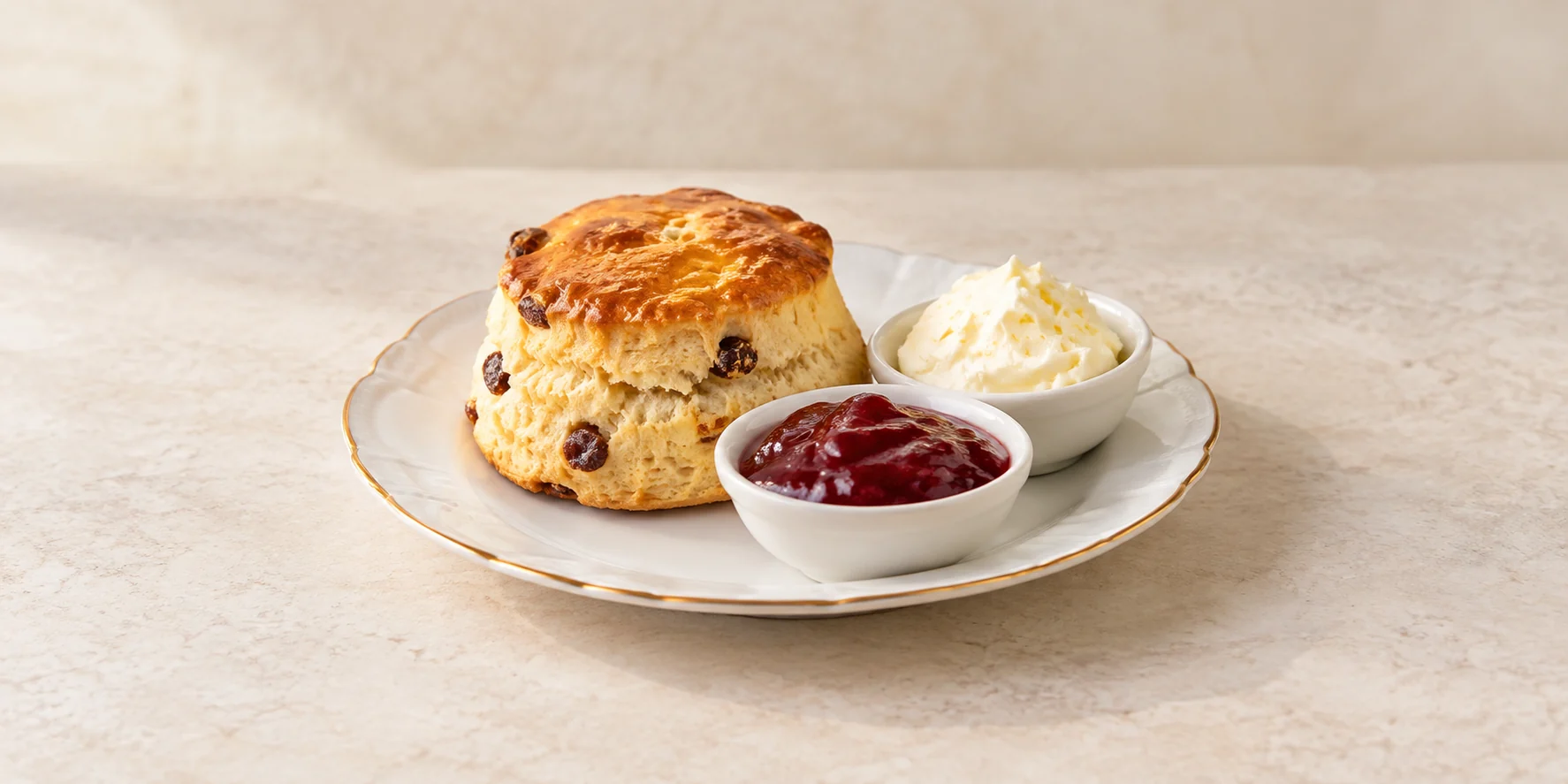
Move to the scone tier next. A warm fruit scone with strawberry jam and a generous spoon of clotted cream is the canonical English Afternoon pairing—the tea's gentle astringency cuts the cream, and its slight muscatel sweetness mirrors the jam. Plain scones with butter work just as well.
On the sweet tier, lean into classic English baking: Victoria sponge with raspberry jam and whipped cream, lemon drizzle cake, fruit tarts with crème pâtissière and berries, and Battenberg. Avoid anything too heavy or fudgy—English Afternoon is light and would get steamrolled by chocolate ganache or sticky toffee.
If serving savory bites without sweets, the tea is also lovely with mild cheeses like Wensleydale or a mature Cheddar on water crackers, and with a slice of pork pie if you're going full British. The bottom line: think tea-room, not pub.
Want to learn more about English Afternoon? Visit its full profile.
Back to English AfternoonYou might also like
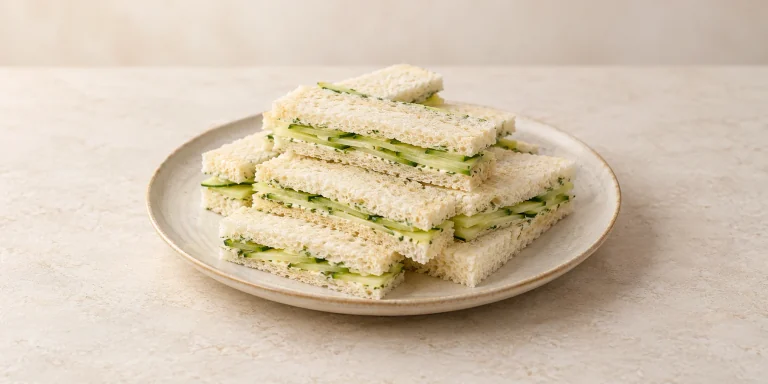
Classic Cucumber Tea Sandwiches
Thin slices of cucumber on buttered white bread with a whisper of mint—the most iconic English afternoon-tea sandwich, and the perfect companion to English Afternoon tea.
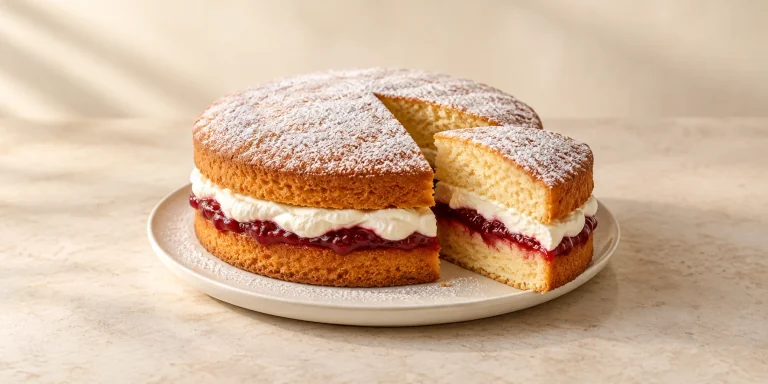
Classic Victoria Sponge with Raspberry Jam
A pillowy two-layer sponge sandwiched with raspberry jam and whipped cream, finished with a dusting of caster sugar—the queen of English afternoon-tea cakes.