
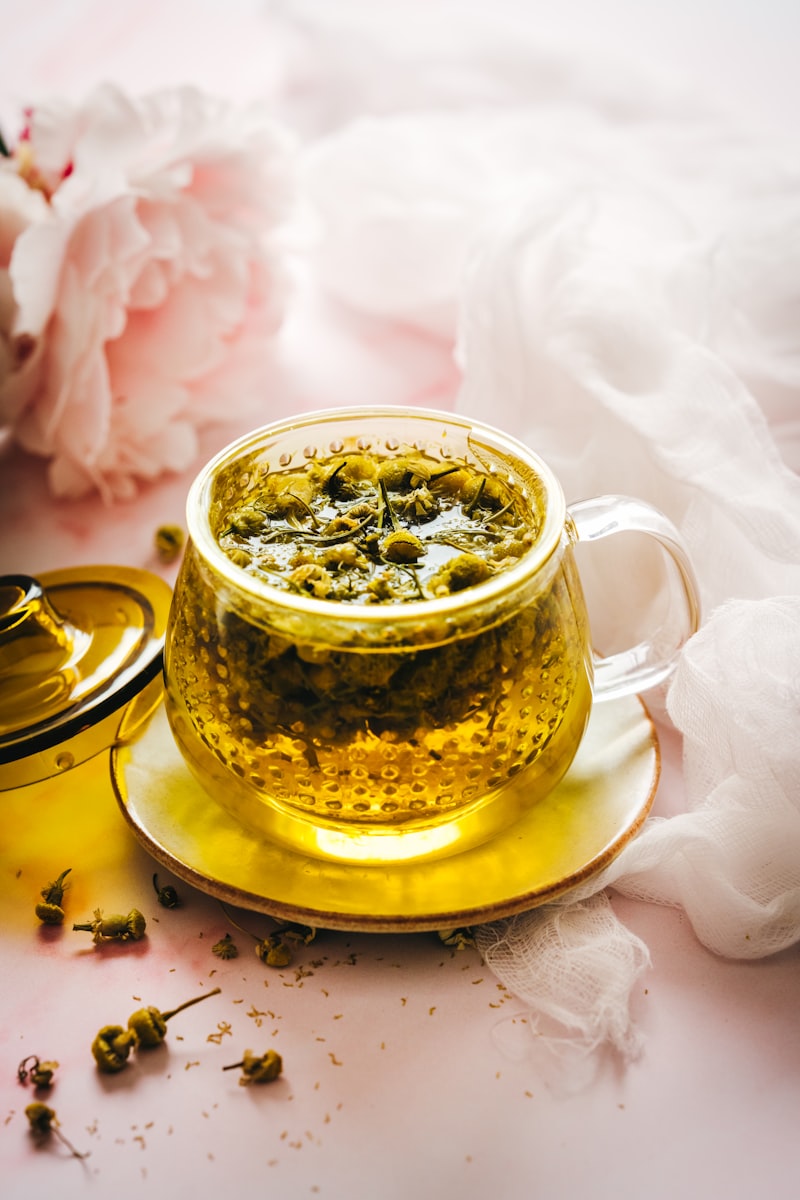
Lu'an Gua Pian
Green tea
About this tea
Lu'an Gua Pian, often translated as 'Melon Seed' tea, is one of China's most distinctive green teas and the only famous green made entirely from a single leaf — no bud and no stem. Grown in the Dabie Mountains of Anhui Province, it is plucked, sorted, and pan-fired so that each finished leaf curls slightly to resemble a flat melon seed. The cup is clean and lively, with a toasty, chestnut-like sweetness layered over a smooth vegetal body. Long celebrated among China's most renowned teas, Lu'an Gua Pian is prized for its remarkable balance of roast and freshness. Its clarity and gentle lift make it a favorite for mindful, focused sipping.
How to brew: 80°C, 2.5 min, 3 g per cup.
Caffeine
Medium
How to brew
Flavor notes
toasted, nutty, sweet, vegetal
Often associated with
Focus, Clarity
Best time to enjoy
Mid-morning, Early afternoon, Mid-afternoon
Tags
Origin & Production
Lu'an Gua Pian comes from the area around Lu'an City in western Anhui Province, within the misty Dabie Mountains. The most prized leaves grow near Qishan and Jinzhai, where high elevation, frequent fog, and mineral-rich soils slow leaf growth and concentrate flavor. The cool mountain climate and dappled light encourage the thick, mature single leaves that give the tea its signature body. Unlike most green teas that prize tender buds, Lu'an Gua Pian deliberately uses only the second or third leaf, picked after the bud has been removed. This unusual approach reflects a centuries-old local craft passed down through generations of mountain growers.
Production process
Single-leaf plucking
Pickers harvest only the mature second or third leaf from each shoot, discarding the bud and the stem. This labor-intensive selection is the defining step that makes Lu'an Gua Pian unlike any other Chinese green tea.
Withering & sorting
Freshly picked leaves are spread to soften slightly and are sorted by hand to separate buds and stems. Only clean, uniform single leaves continue to the firing stage.
Kill-green (sha qing)
The leaves are pan-fired in a hot wok to halt oxidation, locking in the fresh green color and vegetal character while developing early toasty notes.
Shaping the seed
Each leaf is rolled and shaped so it curls into the flat, oval form that resembles a melon seed — the trait that gives the tea its name.
Charcoal baking
The shaped leaves are finished over a low charcoal fire in repeated baskets. This slow baking is what builds the tea's signature chestnut sweetness and clean, lingering finish.
Final grading
Finished leaves are sorted by size, color, and aroma. The flattest, most uniform leaves from early spring command the highest grades and are packed away from light and moisture.
History & Tradition
Lu'an tea has been recorded in Chinese sources for over a thousand years, but the distinctive single-leaf 'melon seed' style as we know it took shape in the early twentieth century around the Dabie Mountains.
Early Lu'an tea
Tea from the Lu'an region was already noted in Tang-era writings, valued as a tribute tea and traded along mountain routes through Anhui.
Reputation grows
During the Ming dynasty, loose-leaf Lu'an tea gained renown among scholars and officials, appearing in regional records as a prized mountain green.
Tribute tea status
Lu'an tea was sent as tribute to the imperial court during the Qing dynasty, cementing its place among China's respected regional teas.
Melon seed style emerges
Local accounts trace the single-leaf 'gua pian' style to the early 1900s near Qishan, when growers refined the practice of removing buds and stems to use only the mature leaf.
Named a famous tea
In the mid-twentieth century, Lu'an Gua Pian was repeatedly recognized among China's most famous teas, raising its profile across the country.
Protected origin
Modern geographic-origin protections and renewed interest in artisanal greens secured Lu'an Gua Pian's reputation among specialty tea drinkers worldwide.
Health Benefits
Calm focus
Like other green teas, Lu'an Gua Pian traditionally pairs moderate caffeine with the amino acid L-theanine, a combination often associated with steady, calm alertness rather than a jittery rush.
Antioxidant-rich
Green teas are naturally abundant in catechins and polyphenols, plant compounds widely studied for their antioxidant activity and traditionally enjoyed as part of a balanced lifestyle.
Gentle lift
With a moderate caffeine level, this tea offers a clean, gentle lift that many drinkers find ideal for an afternoon reset without overstimulation.
Smooth on the stomach
The charcoal baking softens any sharpness, and the mature single-leaf character traditionally makes for a mellow, low-astringency cup that sits comfortably even mid-afternoon.
Mindful ritual
Brewing and sipping a clean, aromatic green tea can be a grounding daily ritual, offering a quiet moment of calm that supports a sense of overall well-being.
Grades & Varieties
Pre-Qingming (Ming Qian)
The earliest spring pluck, picked before the Qingming festival. These leaves are the most tender and uniform, yielding the sweetest, most delicate cup with the cleanest finish. The most sought-after grade.
Best for
- ✓Special-occasion brewing
- ✓Tasting flights
- ✓Gifting
Pre-rain (Yu Qian)
Picked between Qingming and the Grain Rain period, these slightly more developed leaves give a fuller, toastier cup with pronounced chestnut sweetness. An excellent everyday premium grade.
Best for
- ✓Daily premium sipping
- ✓Afternoon focus
- ✓Multiple infusions
Standard mountain grade
Later-picked leaves from the Dabie Mountains, robust and full-bodied with a stronger toasty character. Forgiving to brew and great value for regular drinking.
Best for
- ✓Everyday cups
- ✓Stronger brews
- ✓Iced tea base
Did you know?
Lu'an Gua Pian is the only famous Chinese green tea made from a single leaf with no bud and no stem — each leaf is curled to resemble a flat melon seed, which is how it got its name.
Foods with this tea

What to Eat with Lu'an Gua Pian Tea
Lu'an Gua Pian's toasty, chestnut-sweet, low-astringency cup pairs beautifully with steamed dumplings, lightly seasoned seafood, and gentle rice dishes.
Lu'an Gua Pian Tea-Steamed Fish with Ginger and Scallion
Delicate white fish steamed over a fragrant Lu'an Gua Pian infusion with ginger and scallion—the tea's toasty sweetness gently perfumes the flesh.
Lu'an Gua Pian Chestnut Panna Cotta
A silky panna cotta infused with Lu'an Gua Pian and sweet chestnut—the tea's natural roasted nuttiness amplifies the chestnut for a quietly elegant dessert.
Drinks with this tea

Lu'an Gua Pian Focus Brew with Mint and Honey
A clean, gently energizing green tea brew with fresh mint and a touch of honey—made for calm, focused afternoons without the jitters.
Cold-Brew Lu'an Gua Pian with Cucumber and Lime
Smooth cold-brewed Lu'an Gua Pian with cool cucumber and bright lime—a crisp, refreshing iced green tea that keeps its toasty sweetness intact.
Lu'an Gua Pian Gin Fizz
A bright, herbaceous gin fizz built on Lu'an Gua Pian-infused gin with lemon and soda—plus a zero-proof mocktail version for everyone at the table.