
Qué comer con oolong Oriental Beauty
La dulzura a miel y moscatel del Oriental Beauty adora la pastelería delicada, la fruta de hueso madura y los platos ligeramente dulces que reflejan su frutalidad natural.
Oriental Beauty es un oolong taiwanés muy oxidado con un famoso aroma natural a miel y un carácter a fruta madura tipo moscatel. Su licor ámbar es suave, untuoso y delicadamente dulce, lo que lo hace sorprendentemente amigable con la comida para ser un oolong. El truco está en maridarlo con alimentos que complementen su frutalidad en lugar de competir con ella.
La fruta de hueso es la combinación más natural: duraznos, albaricoques y nectarinas maduras reflejan la dulzura a moscatel del té tan de cerca que se sienten como un solo sabor. Un plato de duraznos en rodajas con un hilo de miel es el maridaje más simple y favorecedor que puedes ofrecerle a este té.
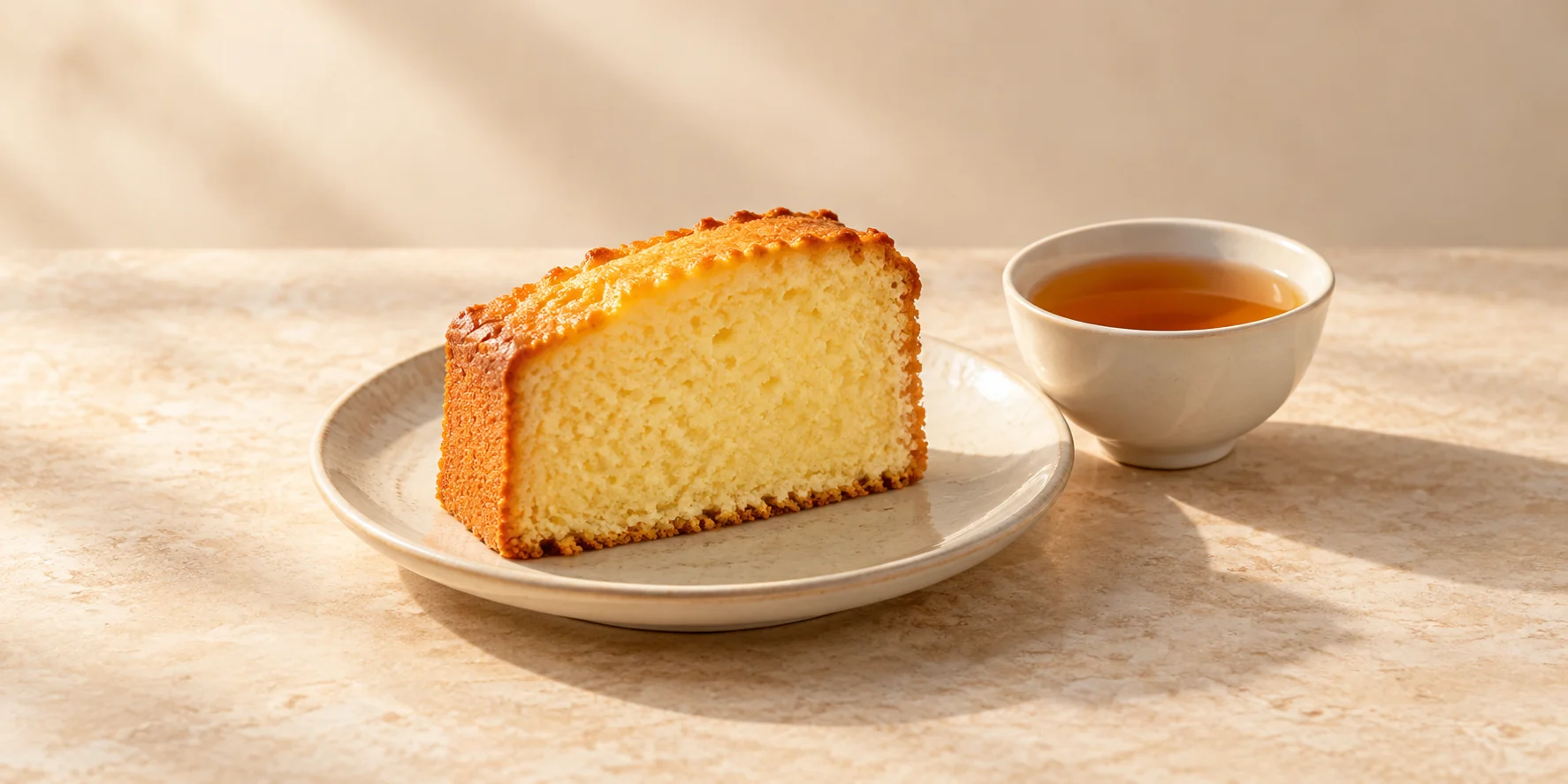
La repostería amantequillada y ligeramente dulce es otra favorita. Piensa en mantecados, magdalenas o un bizcocho de mantequilla sencillo. Las notas meladas del té envuelven la mantequilla y el azúcar mientras su oxidación evita que todo se sienta pesado, actuando casi como un digestivo entre bocados.
Para algo salado, inclínate por platos suaves y levemente dulces: pollo asado con glaseado de fruta, jamón glaseado o vieiras selladas. La profundidad a fruta madura del té favorece las proteínas caramelizadas y suavemente dulces sin tapar su delicadeza.
Evita maridar Oriental Beauty con comidas muy picantes, saladas o ahumadas, que aplanan su sutil aroma a miel. Mantén la mesa liviana y con un toque dulce, y el té brillará como lo más fragante de ella.
¿Quieres saber más sobre Oriental Beauty? Visita su ficha completa.
Volver a Oriental BeautyTambién te puede gustar
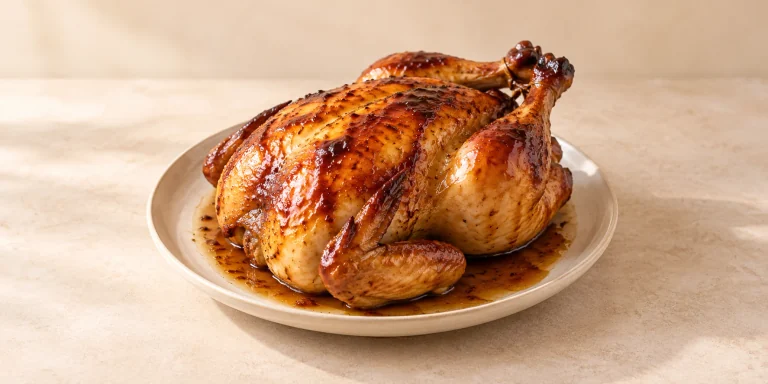
Pollo asado con glaseado de miel y Oriental Beauty
Pollo asado pincelado con un glaseado de té Oriental Beauty y miel, donde la dulzura natural a moscatel del oolong profundiza la piel caramelizada.
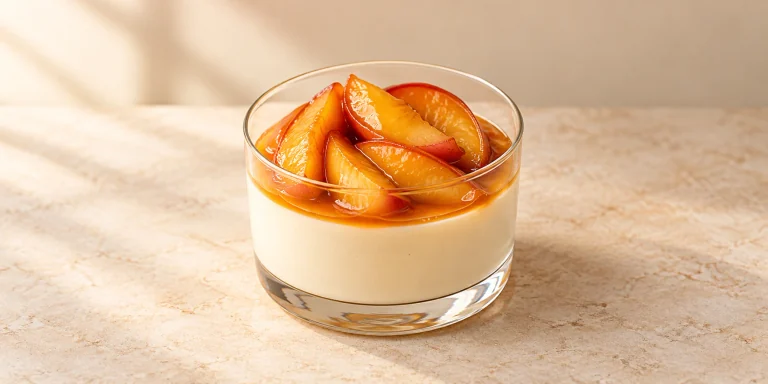
Panna cotta de Oriental Beauty con duraznos y miel
Una panna cotta sedosa infusionada con oolong Oriental Beauty y coronada con duraznos a la miel, redoblando la dulzura natural a moscatel del té.