
Golden Monkey
Black tea
About this tea
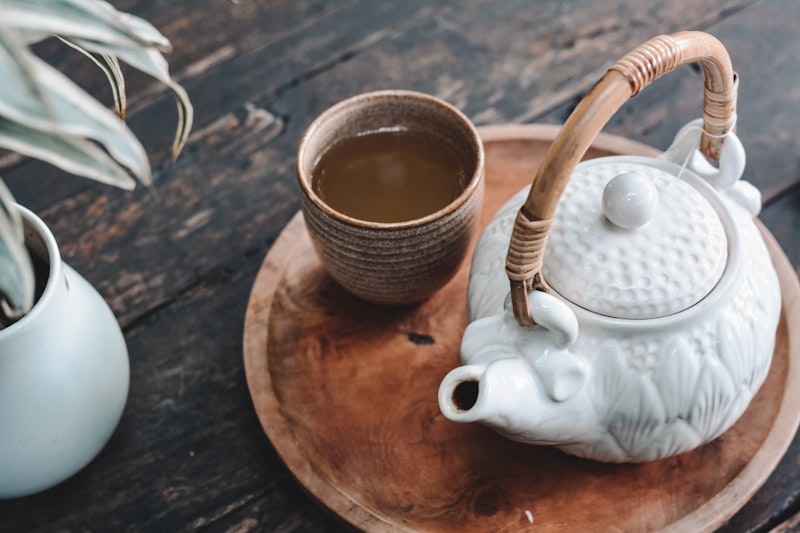
Golden Monkey (Jin Hou) is a prized Chinese black tea distinguished by its abundance of golden, downy tips that curl into shapes said to resemble a monkey's paw. Hand-plucked from a high proportion of tender buds and young leaves in Fujian and Yunnan, it brews into a smooth, amber-gold cup with very little bitterness. The flavor leans toward honey and cocoa, layered with a gentle peppery edge and a lingering malty sweetness. Considered one of China's most refined black teas, Golden Monkey rewards careful brewing with a mellow, naturally sweet character that makes it an inviting morning cup.
How to brew: 90°C, 3 min, 3 g per cup.
Caffeine
Medium
How to brew
Flavor notes
sweet, spiced, smooth, full-bodied
Often associated with
Moderate energy, Gentle wake-up
Best time to enjoy
Morning, Mid-morning
Tags
Origin & Production
Golden Monkey is produced primarily in the mountainous tea regions of Fujian Province, with a related style also made in Yunnan in southwestern China. The cool, misty highlands and well-drained acidic soils of these areas favor slow growth and a high concentration of golden buds. The name 'Jin Hou' refers to the curved, golden-tipped leaves that resemble a monkey's paw or claw. Because the tea relies on a generous proportion of tips and unopened buds, it is almost always hand-plucked by skilled pickers during a narrow spring window, making it a labor-intensive specialty rather than a bulk-produced black tea.
Production process
Hand-plucking buds and tips
Pickers select a high proportion of tender buds and the first young leaf in early spring, when the golden downy tips are most plentiful. Careful selection at this stage defines the tea's quality.
Withering
The fresh leaves are spread out and gently withered to reduce moisture and soften the buds, preparing them for shaping without breaking the delicate golden tips.
Rolling & shaping
Withered leaves are hand-rolled to curl them into the characteristic curved, claw-like form and to gently bruise the cells, which begins the oxidation that develops the honey and cocoa notes.
Oxidation
The rolled leaves are left to fully oxidize in a warm, humid environment. As a black tea, Golden Monkey is oxidized completely, deepening its color and rounding out any sharpness into smooth malt and chocolate tones.
Drying & sorting
The leaves are dried with controlled heat to lock in the flavor, then carefully sorted so that the finest batches show the highest ratio of golden tips to darker leaf.
History & Tradition
Golden Monkey belongs to the long lineage of Chinese black teas (hong cha) that emerged in Fujian Province, the historic birthplace of black tea, and gained renown for their smooth, naturally sweet character on both domestic and export markets.
Birth of Chinese black tea
Fully oxidized black teas first developed in the Wuyi area of Fujian Province, establishing the region as the origin of the styles that would later include golden-tipped teas like Golden Monkey.
Export to the West
Chinese black teas became highly sought after in Europe and the Americas. Tip-rich, golden styles were prized for their smoothness and commanded premium prices among discerning buyers.
Jin Hou takes shape
The distinctive 'Golden Monkey' style became recognized for its curled, claw-like leaves and high bud content, a name evoking the paw of a monkey reaching through the foliage.
Specialty revival
As global interest in single-origin and artisanal teas grew, Golden Monkey gained a following among specialty drinkers seeking a smooth, low-bitterness Chinese black tea.
Modern appreciation
Today Golden Monkey is celebrated as one of China's finer black teas, valued for its honeyed cocoa profile and the visual beauty of its golden tips in dry leaf and brewed cup alike.
Health Benefits
Gentle morning energy
As a fully oxidized black tea, Golden Monkey traditionally provides a moderate, steady lift of energy that many find smoother and less jittery than coffee, making it a popular morning choice.
Calm focus
Black teas naturally contain the amino acid L-theanine alongside caffeine, a combination traditionally associated with a sense of alert, calm focus rather than a sharp spike.
Antioxidant compounds
Like other black teas, Golden Monkey contains polyphenols such as theaflavins and thearubigins, plant compounds that are widely studied for their antioxidant activity.
A comforting ritual
The smooth, honeyed warmth of a freshly brewed cup makes Golden Monkey a soothing daily ritual, and taking a quiet moment with a warm drink is traditionally associated with relaxation.
Low bitterness
Its high proportion of buds and careful processing give Golden Monkey a notably smooth, low-tannin character, so it is gentle on the palate and pleasant to drink without milk or sugar.
Grades & Varieties
Tippy Golden Monkey
The top grade, showing a very high ratio of golden, downy buds to darker leaf. It brews a bright amber cup with pronounced honey and cocoa notes and an exceptionally smooth, low-bitterness finish.
Best for
- ✓Slow morning sipping
- ✓Drinking plain without additives
- ✓Appreciating fine Chinese black tea
Standard Golden Monkey
A balanced grade with a good mix of golden tips and mature leaf. It offers the signature malty sweetness and peppery edge at a more everyday level, with a slightly fuller body.
Best for
- ✓Daily morning cup
- ✓A robust black tea base
- ✓Everyday enjoyment
Yunnan-style golden tips
A related golden-tipped black tea from Yunnan, often a touch maltier and earthier than the Fujian style, with the same generous showing of golden buds and a warm, rounded sweetness.
Best for
- ✓Lovers of maltier black teas
- ✓Cooler-weather mornings
- ✓Pairing with breakfast foods
Did you know?
The name 'Golden Monkey' (Jin Hou) comes from the way its curved, golden-tipped leaves are said to resemble a monkey's paw reaching through the foliage.
Foods with this tea
What to Eat with Golden Monkey Tea
Golden Monkey's honey-and-cocoa smoothness pairs beautifully with breakfast pastries, dark chocolate, and gently spiced dishes that echo its mellow malty sweetness.
Golden Monkey Tea-Glazed Roast Chicken
Roast chicken brushed with a honey and Golden Monkey tea glaze, where the tea's cocoa and peppery notes deepen the savory crust over crisp golden skin.
Golden Monkey Honey-Cocoa Pots de Crème
Silky little chocolate custards infused with Golden Monkey tea, where the cocoa-honey notes of the tea melt seamlessly into a rich, gently spiced dessert.
Drinks with this tea

Golden Monkey Honey-Ginger Morning Tonic
A warming morning tonic that pairs Golden Monkey's smooth honey-cocoa body with fresh ginger and a squeeze of lemon for a gentle, comforting start to the day.
Iced Golden Monkey with Orange and Honey
A smooth iced black tea that lets Golden Monkey's honey-cocoa sweetness shine, brightened with fresh orange and just a touch of honey over plenty of ice.
Golden Monkey Honey Whiskey Sour
A smooth, autumnal whiskey sour built on Golden Monkey-infused honey syrup, where the tea's cocoa and peppery notes deepen the spirit into something warm and complex.