
Turkish Black
Black tea
About this tea
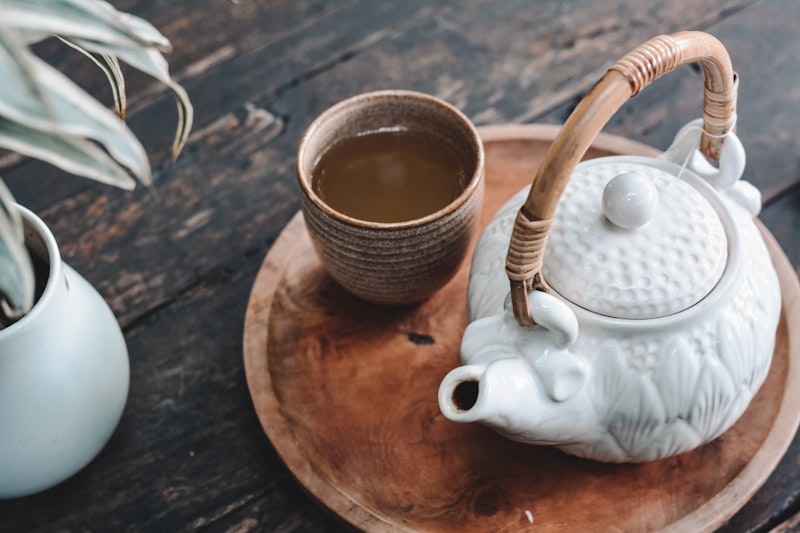
Turkish Black tea, known locally as çay, is a strong, deep-mahogany black tea grown on the rainy Black Sea slopes around Rize and brewed in a distinctive stacked double teapot called a çaydanlık. The lower pot boils water while the upper pot steeps a concentrated tea, allowing each drinker to dilute the strong brew to taste before it is served in small, waisted tulip glasses. Robust, full-bodied, and traditionally taken without milk, Turkish tea is the beating heart of Turkish hospitality — offered constantly throughout the day in homes, shops, and gatherings. More tea is consumed per person in Turkey than almost anywhere on earth, making çay an inseparable part of daily life.
How to brew: 100°C, 10 min, 4 g per cup.
Caffeine
High
How to brew
Flavor notes
robust, intense, full-bodied, slightly bitter
Often associated with
Strong wake-up, Energy
Best time to enjoy
Morning, Mid-morning, Mid-afternoon
Tags
Origin & Production
Nearly all Turkish tea is grown in a narrow strip along the eastern Black Sea coast, with Rize Province at its heart and neighboring Artvin and Trabzon contributing as well. The region's steep, terraced hillsides, high humidity, and abundant rainfall create ideal conditions for a hardy black tea bush adapted to the cool, wet climate. Tea is hand-plucked in several harvests from spring through autumn and processed locally into a robust black tea. Turkey produces a very large volume of tea almost entirely for domestic consumption, a remarkable feat given that commercial cultivation only began in the twentieth century.
Production process
Hand-plucking
Young leaves and buds are hand-plucked from the terraced bushes across several harvests between May and autumn, when the Black Sea rains keep the plants lush.
Withering & rolling
The plucked leaves are withered to reduce moisture, then rolled to break the cell walls and begin releasing the juices that drive oxidation.
Full oxidation
The rolled leaves are fully oxidized, developing the deep color and brisk, robust flavor that defines Turkish black tea.
Drying & sorting
The tea is dried to halt oxidation and lock in flavor, then sorted into grades — finer broken grades brew the strong, dark cup Turks favor.
Double-pot brewing
At home, tea is brewed in a çaydanlık: water boils in the lower pot while a strong concentrate steeps in the upper pot, then each glass is diluted to taste with hot water.
History & Tradition
Turkey's tea culture is surprisingly young — large-scale cultivation began less than a century ago — yet çay has become so central to national life that it now defines Turkish hospitality and daily ritual.
First tea ambitions
Ottoman officials began exploring domestic tea cultivation as coffee supplies grew costly and unreliable, looking to the humid Black Sea coast as a possible growing region.
Tea moves to Rize
After the loss of coffee-growing territories, the new Turkish Republic promoted tea cultivation around Rize, whose climate proved ideal for the crop.
Commercial cultivation
With government support and seed brought from neighboring Georgia, large-scale tea farming took root along the Black Sea coast and the first domestic harvests were processed.
First tea factory
Turkey's first modern tea factory opened in Rize, marking the start of organized domestic production that would eventually make the country largely self-sufficient in tea.
A national ritual
Çay is now offered everywhere — homes, shops, ferries, and gatherings — and Turkey has one of the highest per-capita tea consumption rates in the world, with the tulip glass an icon of hospitality.
Health Benefits
Lasting energy
Brewed strong and sipped throughout the day, Turkish black tea offers a meaningful, sustained caffeine lift — the everyday fuel that keeps Turkish social and working life flowing.
Calm focus
Like all black tea, çay contains both caffeine and L-theanine, a pairing associated with calm, focused alertness that helps sustain conversation and concentration over a long day.
Rich in antioxidants
Fully oxidized black tea is high in theaflavins and other polyphenols, plant compounds traditionally valued for the antioxidant activity that helps protect cells from everyday oxidative stress.
A ritual of connection
Sharing çay is fundamentally social — offered to guests, friends, and customers as a gesture of welcome — and that ritual of slowing down to connect carries its own sense of wellbeing.
Warming comfort
Served piping hot in small glasses, Turkish tea is deeply warming and comforting, a soothing companion through cool Black Sea mornings and long, conversation-filled evenings alike.
Grades & Varieties
Rize (everyday grade)
The standard, widely loved Turkish tea from Rize — a brisk, robust broken-leaf black tea that brews the deep mahogany cup served in every Turkish home. The everyday workhorse of çay culture.
Best for
- ✓Daily all-day drinking
- ✓Brewing in a çaydanlık
- ✓Serving guests
Çay bahçesi blend (garden grade)
A slightly higher, fuller-flavored grade often served in the tea gardens (çay bahçesi) along the coast. A touch smoother and more aromatic than the everyday grade while keeping the classic robust strength.
Best for
- ✓Relaxed afternoon sipping
- ✓Pairing with sweets
- ✓A fuller, smoother cup
Earl-Grey-style bergamot çay
A popular bergamot-scented version of Turkish tea (sometimes called Earl Grey çay), pairing the robust Rize base with a fragrant citrus top note. A favorite for an aromatic afternoon glass.
Best for
- ✓Aromatic afternoon glasses
- ✓Drinkers who like a citrus note
- ✓Serving with lemon
Did you know?
Turkey has one of the highest per-capita tea consumption rates in the world, yet large-scale cultivation around Rize only began in earnest in the 1930s and 40s.
Foods with this tea

What to Eat with Turkish Black Tea
Strong, brisk Turkish çay is built to pair with the table—simit and cheese at breakfast, savory pastries, and a parade of nut-and-syrup sweets like baklava.
Çay-Simmered Lamb and Apricot Stew
Tender lamb braised in strong Turkish tea with onions, apricots, and warm spices—the tea's brisk tannins deepen this fragrant, slow-cooked stew.
Turkish Tea Poached Pears with Honey and Pistachio
Pears gently poached in strong, spiced Turkish çay until ruby and tender, finished with honey and crushed pistachios—an elegant nod to Turkish flavors.
Drinks with this tea

Traditional Çaydanlık Turkish Tea
The authentic two-pot method for strong, warming Turkish tea served in tulip glasses—a grounding daily ritual at the heart of Turkish hospitality.
Iced Turkish Tea with Lemon and Mint
Strong-brewed Turkish çay chilled over ice with fresh lemon and mint—a brisk, refreshing summer take on the national drink.
Turkish Tea and Rakı Sour
A bold sour built on strong Turkish tea, anise-forward rakı, lemon, and honey—plus a zero-proof spiced-tea mocktail for an alcohol-free toast.