
Cinnamon
Herbal infusion
About this tea
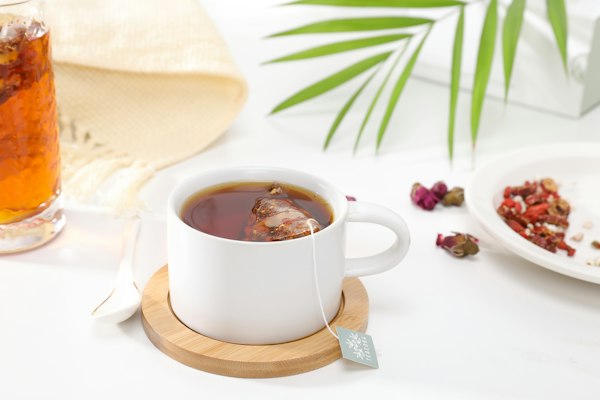
Cinnamon tea (canela) is a caffeine-free herbal tisane made by simmering or steeping true cinnamon bark — not a flavored black tea, not a blend, just the bark itself. Unlike teas where cinnamon is one note among several, this is cinnamon on its own terms: warm, sweet-spicy, and comforting, with a natural sweetness so pronounced that many people drink it without any sugar at all. The two main bark types used are Cinnamomum verum ("true" or Ceylon cinnamon, delicate and citrusy) and Cinnamomum cassia (bolder, more pungent, the most common supermarket cinnamon). Brewed strong, it tastes like dessert in a cup; brewed gently, it's a quiet, grounding sip that has been part of household remedy cabinets across multiple continents for centuries. It contains no caffeine, making it a reliable choice any time of day, especially in the evening or after a meal.
How to brew: 100°C, 8 min, 3 g per cup.
Caffeine
None
How to brew
Flavor notes
sweet, spiced, warming
Often associated with
Digestive comfort, Caffeine-free warmth
Best time to enjoy
Afternoon, Evening, After a meal
Tags
Origin & Production
True cinnamon, Cinnamomum verum, grows almost exclusively in Sri Lanka and southern India, where the inner bark of young shoots is peeled into thin, papery layers and rolled into the tight quills sold as "Ceylon cinnamon." Cassia cinnamon, Cinnamomum cassia (and related species C. burmannii and C. loureiroi), is grown at much larger scale across Indonesia, China, and Vietnam, producing the thicker, darker, more pungent bark that dominates global supermarket shelves under the simple label "cinnamon." Both are harvested from small cinnamon trees kept coppiced — cut back low so they continually send up new, bark-rich shoots — rather than left to grow tall. For tea, either bark works, but the two taste noticeably different: Ceylon is softer, more floral and citrusy with subtler sweetness, while cassia is bolder, sweeter-smelling, and more assertively spicy, with a higher coumarin content that matters for how often it's safe to drink in concentrated form. Most commercial "cinnamon tea" products, whether tea bags or loose bark chips, use cassia simply because it is cheaper and more widely available.
Production process
Coppicing & shoot selection
Cinnamon trees are pruned low so they send up multiple straight shoots about two years old — the right age for bark that peels cleanly and is rich in aromatic oil.
Bark peeling
Harvesters score and peel the outer and inner bark from the shoots by hand. For Ceylon cinnamon this is a skilled craft producing paper-thin layers; cassia bark is peeled thicker and left more rustic.
Rolling into quills
While still pliable, the bark strips are rolled by hand into the familiar cinnamon stick shape, sometimes nesting smaller quills inside larger ones for density.
Sun-drying
Rolled quills are dried in shade and then sun over several days until they harden into rigid sticks, locking in the volatile cinnamaldehyde oils that carry most of the flavor and aroma.
Grading & cutting
Dried bark is sorted by thickness, color, and aroma intensity. For tea use, sticks are sold whole for steeping, or broken into chips and granules for tea bags and quick infusions.
History & Tradition
Cinnamon is one of the oldest traded spices on earth, prized for thousands of years before it was ever steeped as a simple cup of tea, and its journey from a closely guarded luxury to an everyday infusion spans empires, sea routes, and household remedy cabinets.
Ancient Egypt and the spice routes
Cinnamon reached ancient Egypt via Arab traders who deliberately obscured its true origin, used in embalming and as a prized luxury good — its actual source in Sri Lanka and South Asia stayed a closely guarded secret for centuries.
Roman luxury spice
Roman texts describe cinnamon as worth far more than silver by weight, used in perfumes, religious offerings, and as a symbol of imperial wealth.
Portuguese control of Ceylon
The Portuguese became the first Europeans to control the true source of cinnamon in Sri Lanka, establishing a monopoly that the Dutch and later the British would each fight to seize over the following centuries.
Dutch cinnamon monopoly
The Dutch East India Company tightly controlled Ceylon cinnamon production and trade, burning surplus stock to keep prices high — one of history's clearest examples of spice-driven colonial economics.
Cassia trade expands
As cinnamon's monopoly broke down, cheaper Chinese and Indonesian cassia bark flooded global markets, and cinnamon tea and spiced infusions became affordable household staples rather than aristocratic luxuries.
A wellness staple worldwide
Cinnamon tea is now an everyday comfort drink across cuisines from Mexican canela atole to Middle Eastern qirfa to South Asian masala chai bases, studied for its warming, digestive, and naturally sweet qualities.
Health Benefits
Digestive warmth
Cinnamon bark has been used traditionally across many cultures as an after-meal infusion believed to support digestion and ease a feeling of fullness or mild bloating, partly attributed to its volatile cinnamaldehyde oils.
Antioxidant compounds
Cinnamon bark is rich in polyphenols, including proanthocyanidins, which research has associated with antioxidant activity that may help neutralize free radicals in the body.
Naturally sweet without sugar
Cinnamon's distinctive sweet-spicy aromatic compounds let many people enjoy a satisfying, dessert-like cup with little or no added sweetener, which can be a helpful habit for those reducing sugar intake.
Comforting, calming ritual
The warm, sweet aroma of simmering cinnamon bark is widely used as a cozy, screen-free evening ritual — a caffeine-free cup that signals winding down rather than gearing up.
Caffeine-free anytime cup
Because cinnamon tea carries no caffeine, it can be enjoyed in the afternoon or evening without affecting sleep, making it a flexible alternative to caffeinated spice blends like chai.
Grades & Varieties
Ceylon cinnamon quills
Thin, multi-layered, tightly rolled bark from Cinnamomum verum, pale tan in color and delicately fragrant. Lower in coumarin than cassia, it produces a softer, more citrusy, refined infusion prized by purists.
Best for
- ✓Daily or frequent drinking
- ✓Delicate, citrus-forward flavor
- ✓Those mindful of coumarin intake
Cassia bark sticks
Thick, single-layer reddish-brown bark, the most widely available cinnamon worldwide. Bold, sweet, and pungent, it brews a strong, assertive cup but contains more coumarin, so it's best enjoyed occasionally rather than several cups daily.
Best for
- ✓Bold, warming flavor
- ✓Occasional indulgent cups
- ✓Mulled-drink style infusions
Cinnamon chips & granules
Broken bark pieces or coarse granules, usually cassia, packed in tea bags for convenient quick steeping. Faster to infuse than whole sticks but slightly less aromatic over time as surface area accelerates flavor loss.
Best for
- ✓Quick, convenient daily cup
- ✓Travel and tea bags
- ✓Blending with other spices like clove or ginger
Did you know?
Cinnamon was once worth more than silver by weight in ancient Rome, and for centuries Arab traders deliberately hid its true Sri Lankan origin to protect their monopoly on the spice.
Foods with this tea
What to Eat with Cinnamon Tea
Cinnamon tea's warm, naturally sweet bark flavor pairs effortlessly with baked goods, breakfast staples, and gently spiced comfort food.
Cinnamon-Spiced Roasted Carrots and Chickpeas
Roasted carrots and chickpeas tossed in a cinnamon-infused oil with cumin and a touch of honey — a savory dish that turns cinnamon tea's warmth into a sheet-pan side.
Cinnamon Tea Poached Pears
Pears gently poached in a strong cinnamon tea syrup until tender and amber—an elegant, naturally sweet dessert that needs almost no added sugar.
Drinks with this tea

Cinnamon and Honey Comfort Tonic
A simple, warming tonic of simmered cinnamon bark, honey, and a squeeze of lemon — the classic after-dinner cup for easing a heavy stomach and winding down.
Iced Cinnamon Horchata-Style Cooler
Cold-brewed cinnamon tea blended with rice milk and a touch of vanilla — a creamy, naturally sweet cooler inspired by horchata traditions.
Spiced Cinnamon Apple Mocktail
A caffeine-free mocktail of cinnamon tea, apple cider, and a splash of soda — warm spice and crisp fruit in a celebratory, alcohol-free glass.