
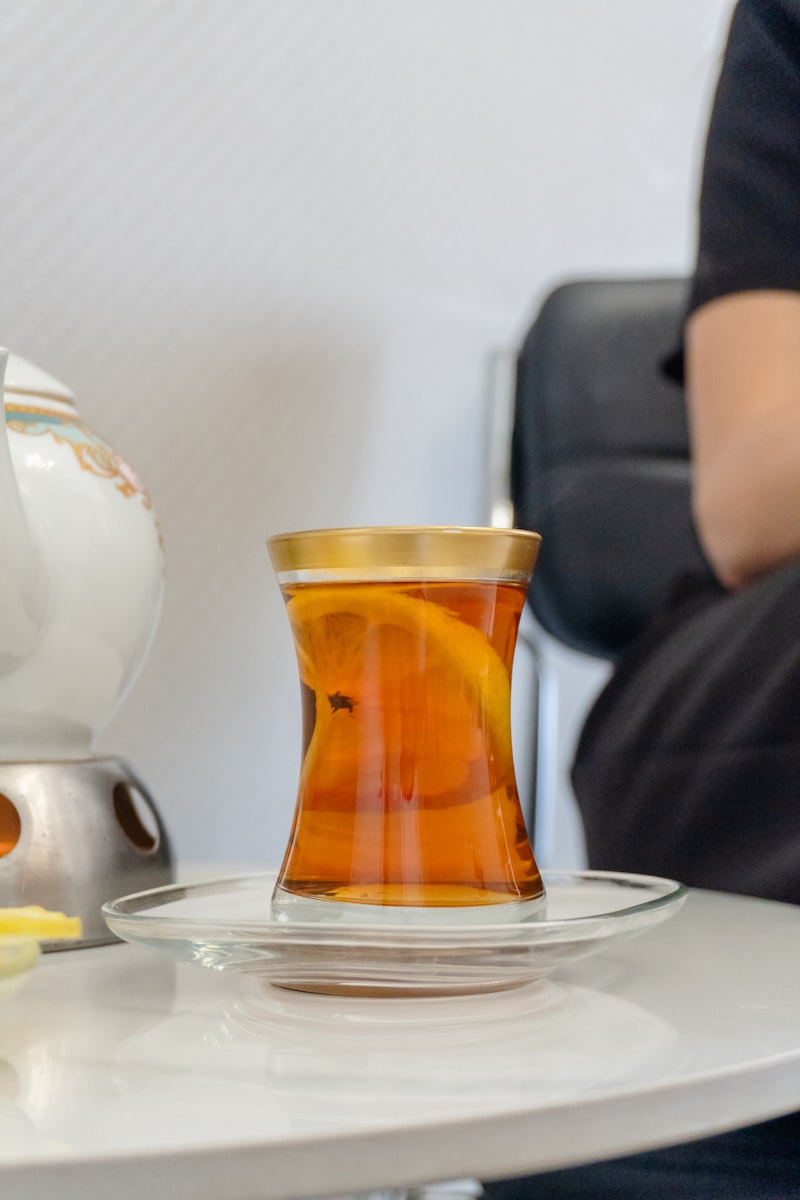
Lemon Verbena
Herbal infusion
About this tea
Lemon verbena (Aloysia citrodora), known in much of Latin America as cedrón, is a strikingly aromatic herbal tisane — not a true tea — native to South America and famous for the brightest, cleanest lemon aroma of any herb. Its essential oil is dominated by citral (a mix of geranial and neral), supported by limonene and verbascoside, a distinctive polyphenol with documented antioxidant activity. The infusion is pale gold and exceptionally clean, with notes of fresh lemon zest, light grass, and a touch of mint. Generally regarded as very safe in food and tea quantities, lemon verbena may have mild sedative effects and could interact with sedative medication — keep an eye on dose if combining with sleep or anxiety medication.
How to brew: 95°C, 5 min, 2 g per cup.
Caffeine
None
How to brew
Flavor notes
citrusy, fresh, aromatic
Often associated with
Digestive comfort, Relaxation
Best time to enjoy
After a meal, Evening
Tags
Origin & Production
Lemon verbena is native to western South America — Argentina, Chile, Peru, Uruguay, and Bolivia — where it grows as a deciduous shrub up to 3 meters tall, with narrow, pointed leaves that release an intense lemon aroma when brushed. Spanish colonists carried it to Europe in the 17th and 18th centuries, where it became a beloved garden plant in Spain, southern France, and Morocco. Today important commercial cultivation areas include Argentina, Chile, Morocco, and the south of France, with high-quality essential oil also distilled in Italy and Spain.
Production process
Cultivation
Lemon verbena is propagated from cuttings rather than seed for varietal consistency. The shrub prefers full sun, well-drained soil, and warm climates; in colder regions it is grown in pots and overwintered indoors.
Hand harvest
Leaves are picked in summer — most fragrant just before flowering — typically in the morning after the dew has evaporated, when citral concentration is at its peak.
Shade-drying
Fresh leaves are spread in thin layers in ventilated shade and dried slowly at temperatures below 35°C to preserve the volatile citral and limonene that define the herb's lemon character.
Leaf separation
Once fully dried, leaves are stripped from the woody stems, gently rubbed to break large pieces, and sieved to remove stem fragments. Premium grade keeps long, intact leaves with a strong scent.
Packaging
Dried leaves are packaged in airtight, light-protected containers — lemon verbena's bright aroma fades quickly when exposed to light, heat, or moisture, so good storage is essential.
History & Tradition
Lemon verbena travelled from the Andean foothills of South America to the imperial gardens of Spain, the kitchens of southern France, and the apothecaries of modern Europe over the course of just a few centuries.
Indigenous use
Indigenous peoples of the Andean foothills of present-day Argentina, Chile, and Peru used lemon verbena leaves as a digestive and aromatic infusion long before European contact.
Introduction to Europe
Spanish botanists brought lemon verbena to Europe in the 18th century. It quickly became fashionable in the gardens of Spanish royalty — the species was named Aloysia in honour of María Luisa of Parma, queen consort of Charles IV of Spain.
Formal description
The plant was formally described in European botanical literature under the genus Aloysia (later Aloysia citrodora), separating it from the European Verbena genus.
Provençal perfumery
Lemon verbena became a favourite of southern French perfumers and confiseurs, used for liqueurs, distillates, and the famous 'verveine' herbal water sold across the region.
Verbascoside research
Modern phytochemistry confirmed lemon verbena as one of the richest dietary sources of verbascoside, a polyphenol shown to have potent antioxidant activity in laboratory studies.
Health Benefits
Digestive comfort
Long used in South America and the Mediterranean as a sobremesa (after-meal) tisane, lemon verbena's citral and essential oils are traditionally associated with relief from heaviness and bloating after eating.
Calm relaxation
Lemon verbena infusion is traditionally taken in the evening for its mild calming effect. Small clinical studies suggest it may help reduce subjective stress and improve sleep quality after several weeks of use.
Verbascoside antioxidant
Lemon verbena is one of the richest plant sources of verbascoside, a phenylpropanoid glycoside with documented antioxidant and anti-inflammatory activity in laboratory models.
Exercise recovery
A small clinical trial published in the Journal of the International Society of Sports Nutrition reported that lemon verbena extract reduced markers of muscle damage and oxidative stress in athletes during intense training.
Safety & considerations
Lemon verbena is generally considered safe in food and tea amounts. Because it has mild sedative effects, those taking sleep, anxiety, or other sedative medication should check with a healthcare professional before regular daily use, and pregnant or breastfeeding women should limit consumption to occasional cups.
Grades & Varieties
Whole leaf — Argentine cedrón
Long, narrow leaves shade-dried in Mendoza, San Juan, or Córdoba. Produces an intensely lemony infusion with a clean, almost candied citrus note — the classic Argentine sobremesa tisane.
Best for
- ✓After-meal digestive infusion
- ✓Iced lemon verbena tea
- ✓Mate con cedrón blend
Cut & sifted — culinary grade
Finer cuts and broken leaf used in tea bags, herbal blends, and culinary infusions. Quick-extracting with a strong, bright lemon aroma, though slightly less complex than the whole leaf.
Best for
- ✓Daily tea bags
- ✓Sorbets, syrups, and desserts
- ✓Iced summer infusions
Provençal verveine
Selected long-leaf lemon verbena grown in the south of France, often sold under the name 'verveine'. Prized for its high citral content and used both as a tisane and in the famous Verveine du Velay liqueur.
Best for
- ✓Premium loose-leaf evening tisane
- ✓Liqueurs and gourmet blends
- ✓Floral-herbal pairings
Did you know?
Lemon verbena was so prized in 18th-century Spain that the species was named Aloysia in honour of María Luisa of Parma, queen consort of Charles IV — making it one of the few medicinal herbs named after a queen.
Foods with this tea
What to Eat with Lemon Verbena Tea
Cedrón's bright lemon-citrus aroma pairs naturally with grilled fish, light summer salads, fresh berries, and creamy after-dinner desserts.
Grilled Sea Bass with Cedrón Butter and Lemon
A whole sea bass grilled until crisp-skinned and basted with a fragrant lemon verbena and garlic butter—the cleanest, brightest weeknight dinner.
Cedrón Panna Cotta with Macerated Berries
A silky vanilla-and-cedrón panna cotta topped with strawberries and raspberries macerated in lemon and sugar—elegant, simple, and intensely aromatic.
Drinks with this tea

Cedrón Digestive After-Dinner Sip
Lemon verbena brewed gently with a touch of honey and lemon zest—the classic Argentine after-dinner digestif that calms the stomach and settles a heavy meal.
Iced Cedrón Mint Refresher
Cold-brewed cedrón with fresh mint, cucumber, and a splash of lime—a spa-water-grade iced refresher that's clean, herbal, and absurdly refreshing.
Cedrón Pisco Sour
A South American pisco sour with pisco infused in fresh cedrón leaves—the classic foam-topped cocktail elevated by intense lemon-verbena aromatics.