
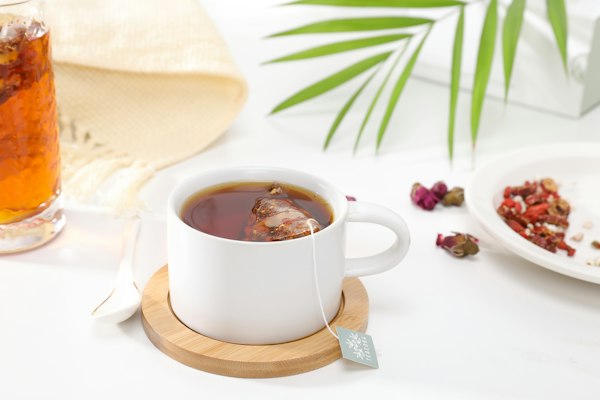
Licorice
Herbal infusion
About this tea
Licorice root tea (regaliz) is a naturally sweet, caffeine-free herbal infusion made from the dried root of Glycyrrhiza glabra, a flowering legume native to the Mediterranean and parts of Asia. Its flavor is smooth and anise-adjacent — sweeter than star anise, with a warm, almost candy-like roundness that needs no added sugar. For centuries it has been steeped as a soothing after-meal drink, traditionally reached for to settle the stomach and ease a scratchy throat. Because the sweetness comes from glycyrrhizin, a compound roughly 30–50 times sweeter than table sugar, a little root goes a long way, making licorice tea a popular base for blending with milder herbs like fennel, chamomile, or mint.
How to brew: 100°C, 8 min, 3 g per cup.
Caffeine
None
How to brew
Flavor notes
sweet, anise, smooth
Often associated with
Digestive comfort, Sense of well-being
Best time to enjoy
Evening, After a meal, Any time
Tags
Origin & Production
Glycyrrhiza glabra grows wild and under cultivation across a wide arc stretching from southern Europe through the Middle East and into Central Asia, with related species also farmed in northeastern China. The plant favors deep, well-drained soils along riverbanks and sunny lowland plains, sending down a long taproot that can extend more than a meter underground — this root, not the leaves or flowers, is the part harvested for tea. Spain has long been one of Europe's most recognized sources of licorice root, particularly the region around Alicante, where the plant naturalizes along riverbeds. Unlike camellia-based teas, licorice is a true root herb, so its character depends heavily on soil mineral content, root age at harvest, and how it is dried rather than on elevation or seasonal flush.
Production process
Root maturation
Licorice plants are left in the ground for two to four years before harvest, allowing the taproot to thicken and accumulate glycyrrhizin, the compound responsible for its intense natural sweetness.
Hand or mechanical lifting
Roots are dug or plowed up from the soil, then washed thoroughly to remove dirt and small rootlets, leaving the thick, fibrous main root intact.
Cutting and slicing
Washed roots are cut into manageable lengths and sliced or shredded into pieces suited for drying — thinner cuts dry faster and brew more readily.
Sun or kiln drying
Sliced root is dried in the open sun or in low-temperature kilns over several days until moisture content drops low enough for stable, long-term storage.
Grading and packing
Dried root is sorted by piece size and color — pale, golden-tan slices with a strong sweet aroma are graded highest — then packed for sale as cut root, shavings, or sticks.
History & Tradition
Licorice root is one of the oldest documented medicinal plants in the world, with a recorded history spanning ancient Egypt, classical Greece, traditional Chinese medicine, and Ayurveda, long before it became a familiar herbal tea in Western pantries.
Found in Tutankhamun's tomb
Quantities of licorice root were discovered among the burial provisions of the Egyptian pharaoh Tutankhamun, suggesting the root was prepared as a sweet drink believed to nourish the afterlife journey.
Early use in Chinese medicine
Gan cao (sweet root), a related Glycyrrhiza species, appears among the earliest catalogued herbs in Chinese medical traditions, where it was valued as a harmonizing ingredient added to many herbal formulas.
Greek scythian root
Theophrastus, the Greek 'father of botany', described licorice as 'Scythian root', noting it was chewed to relieve thirst and soothe the throat — an early reference to its use for vocal and respiratory comfort.
European cultivation expands
Licorice cultivation took hold across England, Spain, and Italy, with Pontefract in Yorkshire becoming famous for growing the root and, eventually, for the licorice sweets made from it.
Glycyrrhizin identified
Chemists isolated glycyrrhizin as the compound behind licorice's distinctive sweetness, opening the door to its later use as a natural sweetener and flavoring agent in food, tobacco, and pharmaceutical industries.
A global herbal tea staple
Licorice root became a standard ingredient in commercial herbal tea blends worldwide, frequently paired with fennel, chamomile, or mint, and is now widely sold as a caffeine-free, naturally sweet infusion on its own.
Health Benefits
Traditional digestive comfort
Licorice root has long been used in folk and traditional herbal practice as an after-meal infusion, valued for its naturally soothing, slightly demulcent quality on the stomach lining.
Soothing for the throat
The root's natural mucilage and sweetness make it a traditional throat-coating infusion, often sipped warm during seasonal scratchiness or paired with honey and lemon.
Source of antioxidant compounds
Licorice root contains flavonoids and polyphenols, including liquiritin, that contribute antioxidant activity and are an active area of ongoing phytochemical research.
Naturally caffeine-free comfort
Because it contains no caffeine, licorice tea is a gentle evening option that delivers a satisfying, naturally sweet flavor without any stimulating effect.
A natural sugar-free sweetness
Glycyrrhizin's intense sweetness means licorice root tea can satisfy a sweet craving on its own, often used to soften the flavor of more bitter or astringent herbal blends without added sugar.
Grades & Varieties
Whole dried root sticks
Long, woody, unprocessed root sticks with a pale fibrous interior. These are often chewed directly or simmered whole for a slow, mellow extraction with the gentlest sweetness.
Best for
- ✓Slow-simmered decoctions
- ✓Chewing as a natural sweet
- ✓Long-steeped blends
Cut and sifted root
Root chopped into small pieces, the standard format for tea bags and loose-leaf blends. It infuses quickly and evenly, delivering a balanced sweetness without excessive bitterness.
Best for
- ✓Everyday hot infusions
- ✓Tea bag blends
- ✓Pairing with fennel or chamomile
Powdered root
Finely ground root that dissolves more readily, producing a stronger, faster, more concentrated sweetness. Common in apothecary-style blends and as a flavoring agent in other teas.
Best for
- ✓Quick infusions
- ✓Flavoring blends and lattes
- ✓Concentrated sweet notes
Licorice-fennel blend
A traditional pairing of licorice root with fennel seed, both anise-adjacent in flavor, creating a rounder, more aromatic digestive infusion than either herb alone.
Best for
- ✓After-dinner digestive ritual
- ✓Milder, rounder anise flavor
- ✓Caffeine-free evening tea
Did you know?
Quantities of licorice root were found among the burial provisions in Tutankhamun's tomb, suggesting ancient Egyptians prepared it as a sweet drink to nourish the afterlife journey.
Foods with this tea

What to Eat with Licorice Root Tea
Licorice root's natural sweetness and anise-adjacent warmth pair beautifully with dark chocolate, citrus, and simple after-dinner treats.
Licorice-Glazed Roasted Carrots with Goat Cheese
Roasted carrots glazed in a reduced licorice root tea with orange and thyme, finished with creamy goat cheese — an easy side dish built around the tea's natural sweetness.
Licorice Root Panna Cotta with Blood Orange
A silky panna cotta infused with licorice root tea and topped with blood orange segments — the tea's gentle anise sweetness needs almost no added sugar.
Drinks with this tea

Licorice Root and Fennel Comfort Tonic
A warming, naturally sweet tonic combining licorice root and fennel seed — a traditional after-meal sipper for stomach comfort, no sugar required.
Iced Licorice Root and Orange Cooler
Cold-brewed licorice root with fresh orange and a sprig of mint — a refreshing, naturally sweet iced infusion that needs no added sugar.
Licorice Root and Star Anise Mocktail
A non-alcoholic, anise-forward mocktail built on a licorice root reduction, soda water, and lime — a sophisticated sipper with zero alcohol and zero added stimulants.