
Valerian
Herbal infusion
About this tea
Valerian (Valeriana officinalis) is a caffeine-free herbal tisane made from the dried root of a flowering perennial native to Europe and parts of Asia, treasured for centuries as one of the classic herbs for winding down before sleep. Its aroma is famously pungent and earthy — often compared to old socks or damp basement — and its taste is woody and bittersweet, very much an acquired one. The calming reputation comes from valerenic acid and other compounds concentrated in the root rather than the leaf or flower. Traditionally taken as a bedtime infusion, valerian is often blended with gentler herbs like lemon balm or chamomile to soften its strong character. Because it is a recognized sedative herb, it should never be combined with alcohol or other sedatives, should be avoided during pregnancy, and may leave some people feeling groggy the next morning.
How to brew: 95°C, 5 min, 2 g per cup.
Caffeine
None
How to brew
Flavor notes
earthy, woody, robust, slightly bitter
Often associated with
Calm, Relaxation
Best time to enjoy
Evening
Tags
Origin & Production
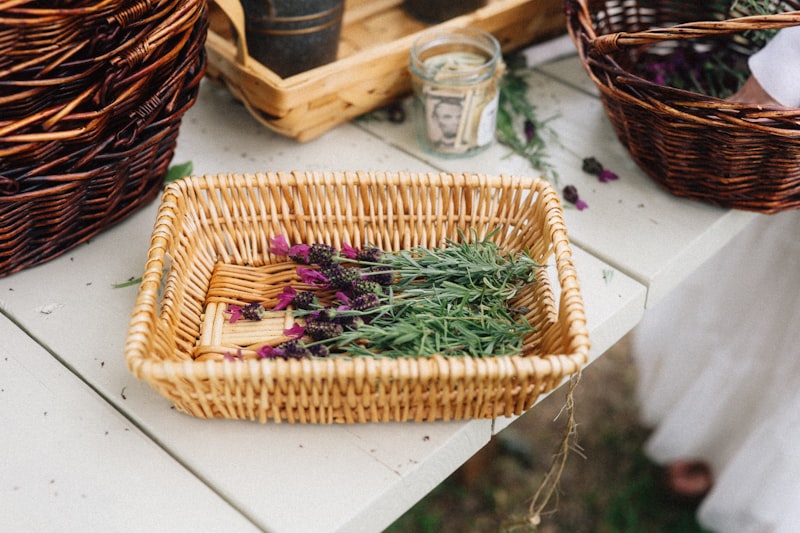
Valerian grows wild in damp meadows, riverbanks, and woodland edges across Europe and western Asia, with tall stems and clusters of pale pink or white flowers. The prized part is the rhizome and root system, which develops its characteristic pungent aroma only after the root is harvested and dried. Today it is cultivated commercially in countries such as Germany, Belgium, the Netherlands, eastern Europe, and parts of Asia, where cooler temperate climates suit the plant. Roots are usually lifted in autumn of the second year, when the concentration of active compounds is traditionally considered to be at its peak. Sustainable cultivation has largely replaced wild harvesting for the herbal-tea market.
Production process
Root harvesting
The rhizomes and roots are dug up in autumn, traditionally in the second year of growth, when valerenic acid and related compounds are believed to be most concentrated.
Cleaning & trimming
Soil is washed away and the roots are trimmed of fine hairs and damaged sections. The fresh root has only a faint smell — the famous pungency develops during drying.
Slow drying
Roots are dried at low temperatures, traditionally below around 40°C, to preserve the volatile oils. As they dry, the roots take on their distinctive earthy, socky aroma.
Cutting & grading
Dried roots are cut into small pieces or coarsely powdered and sorted by aroma strength and color. Higher grades retain more of the pale, intact root with a strong, clean scent.
Blending & packaging
Many producers blend valerian with softer herbs like lemon balm, hops, or chamomile to temper its strong aroma, then pack it in sealed, light-protected containers as loose root or tea bags.
History & Tradition
Valerian has been used as a calming herb since antiquity, appearing in Greek and Roman medical writing and remaining a fixture of European herbal tradition through the Middle Ages and into the modern era.
Early physicians
Greek and Roman physicians such as Hippocrates and Galen described valerian root and used it traditionally to ease restlessness and aid calm, laying the foundation for its later reputation.
Monastery gardens
Valerian was grown in European monastery and physic gardens and recommended in medieval herbals as a remedy for nervousness and sleeplessness, cementing its place in folk practice.
The name 'valerian'
The plant's calming use was widely documented in Renaissance herbals, and the name valerian — traditionally linked to the Latin valere, 'to be strong or well' — became firmly established in European pharmacy.
Wartime calm
Valerian was used during both World Wars to help ease nervous tension and sleeplessness amid the stress of bombing raids and the front, reinforcing its long-standing role as a calming herb.
Pharmacopoeia entry
Valerian root was listed in numerous European and North American pharmacopoeias as an official calming preparation, and dried root and tinctures became common in apothecaries.
Modern wellness
Valerian became one of the most popular bedtime herbs worldwide, widely sold as tea, capsules, and sleep blends, and frequently studied for its traditional role in promoting relaxation and restful sleep.
Health Benefits
Wind-down support
Valerenic acid and other root compounds are traditionally associated with a calming, settling effect, which is why valerian has long been a favorite herb for unwinding in the hour before bed.
Caffeine-free bedtime herb
With zero caffeine, valerian root makes a natural evening infusion that supports a restful nighttime ritual without the stimulating kick of black or green tea.
Soothing ritual
Sipping a warm cup of valerian as part of a consistent evening routine can itself be soothing, helping signal to body and mind that it is time to slow down and let go of the day.
Gentle pairing herb
Valerian blends well with calming companions like lemon balm, hops, and chamomile, which round out its strong aroma and make a balanced cup that is easier to enjoy.
Use with care
As a recognized sedative herb, valerian should not be combined with alcohol or other sedatives, should be avoided in pregnancy, and may cause next-morning grogginess for some — start small and see how you respond.
Grades & Varieties
Whole cut root
Pale, woody pieces of dried valerian root with the strongest, most pungent aroma. This traditional form produces a robust, earthy bedtime infusion and is favored by those who want valerian's full character.
Best for
- ✓Strong single-herb bedtime tea
- ✓Traditional preparation
- ✓Experienced valerian drinkers
Valerian sleep blend
Valerian root combined with softer herbs such as lemon balm, hops, or chamomile. The blend tempers valerian's intense aroma into a gentler, more approachable cup while keeping its calming focus.
Best for
- ✓Everyday evening wind-down
- ✓Newcomers to valerian
- ✓Milder flavor preference
Tea bags
Finely cut valerian root portioned into tea bags for convenient, consistent brewing. Slightly milder in aroma than loose whole root, it is the most common everyday format for a quick bedtime cup.
Best for
- ✓Quick nightly ritual
- ✓Travel-friendly format
- ✓Measured, consistent cups
Did you know?
Valerian root barely smells when fresh — its famous pungent, sock-like aroma only develops as the root dries, and cats are often as drawn to it as they are to catnip.
Foods with this tea
What to Eat with Valerian Tea
Valerian's pungent, earthy, woody character calls for cozy, low-key evening foods—warm honeyed toast, mild cheeses, and gentle bedtime snacks that won't fight its strong aroma.
Valerian and Mushroom Bedtime Broth
A warm, earthy mushroom broth gently infused with a touch of valerian root—a soothing, savory cup-bowl for a calm evening that leans into the herb's woodsy character.
Valerian and Honey Bedtime Oat Pudding
A warm, creamy baked oat pudding gently scented with a hint of valerian and sweetened with honey—a cozy, low-key bedtime dessert that softens the herb's earthy edge.
Drinks with this tea
Valerian Sleepy-Time Wind-Down Tea
A soothing bedtime infusion that softens valerian's pungent root with lemon balm, chamomile, and honey—a calming evening cup built for winding down.
Cold-Brewed Valerian and Apple Calm Cooler
A smooth cold-brewed valerian blend with apple, lemon balm, and a hint of honey—an iced evening cooler that mellows the root's pungency into something refreshing.
Valerian Bedtime Mocktail (Alcohol-Free Nightcap)
A calming, alcohol-free bedtime mocktail of valerian, chamomile, and warm spiced apple—the cozy ritual of a nightcap without the alcohol, perfect for winding down.