
Pai Mu Tan
White tea
4.6/5 · FindMeTea score
About this tea
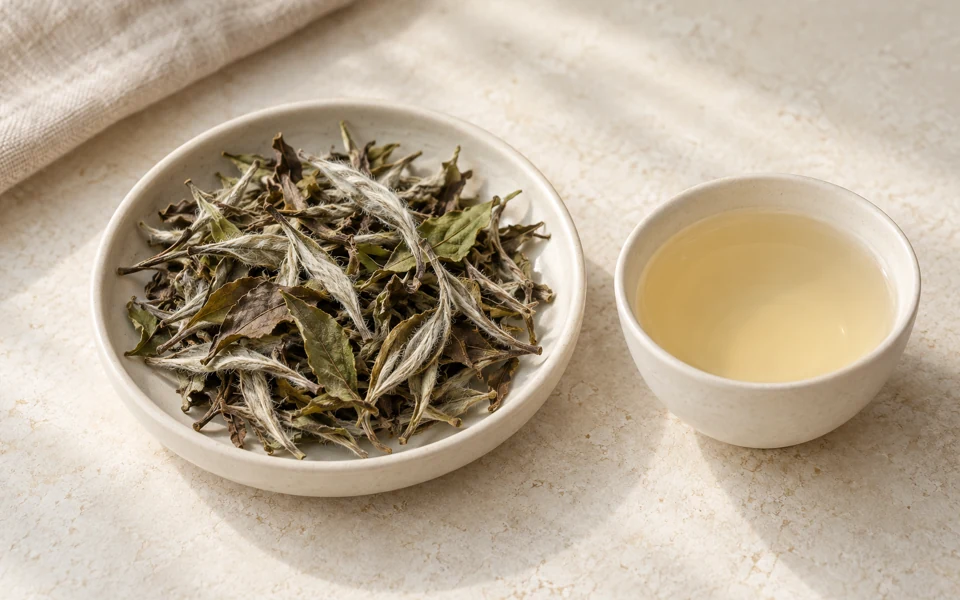
Pai Mu Tan (Bai Mudan / White Peony) is a beloved white tea from Fujian Province, China, crafted from one bud and two young leaves of the Da Bai (Big White) tea cultivar. More full-bodied than the delicate Silver Needle, Pai Mu Tan offers a harmonious balance of sweet floral notes, honeyed warmth, and gentle hay-like undertones — making it the most approachable and widely enjoyed white tea in the world. Its minimal processing preserves an exceptionally high concentration of antioxidants and natural compounds.
How to brew: 80°C, 3 min, 2.5 g per cup.
Caffeine
Low
How to brew
Flavor notes
delicate, floral, sweet
Often associated with
Softness, Light relaxation
Best time to enjoy
Early afternoon, Mid-afternoon
Tags
Where to find it in United States
 Where to find it in United States
- McNulty's Tea & CoffeeThis tea
New York · Greenwich Village
White Peony: Bai Mu Dan (4 oz bag)
from US$ 12· 4 oz
In storeOnline109 Christopher StreetSee the shop → - Emma's Tea SpotThis tea
Baltimore · Hamilton (Harford Road)
Rishi White Peony (loose tea, by the ounce)
from US$ 3.95· 1 oz
In storeOnline4337 Harford Road, Baltimore, MD 21214See the shop → - The Head NutThis tea
Philadelphia · Reading Terminal Market
Pai Mu Tan White Tea
from US$ 3.99· 1 oz
In storeOnline51 N 12th St, Philadelphia, PA 19107See the shop → - Tea CozyThis tea
Sacramento · R Street Corridor, inside ARTHOUSE
Pai Mu Tan Organic, China
from US$ 9.20· 2 oz
In storeOnline1021 R Street, Sacramento, CA 95811See the shop → - MarketSpiceThis tea
Seattle · Pike Place Market
White Peony Tea
from US$ 9.94· 2 oz
In storeOnline85 Pike St, Seattle, WA 98101See the shop →
Origin & Production
Pai Mu Tan is produced primarily in the Fuding and Zhenghe areas of northeastern Fujian Province. Fuding, near the coast, produces a lighter, more delicate style thanks to sea breezes and sandy loam soil. Zhenghe, further inland at higher elevation, yields a slightly bolder, more full-bodied version. Both regions share the misty mountain climate and clean air essential for premium white tea production.
Production process
Plucking standard
One bud and two adjacent young leaves are hand-picked, typically during early spring (late March to April). This 'one bud, two leaves' standard gives Pai Mu Tan more body and flavor complexity than Silver Needle (buds only).
Prolonged withering
Leaves are spread thinly on bamboo racks in well-ventilated rooms for 48–72 hours. This long, gentle withering allows natural enzymatic changes that develop flavor while maintaining minimal oxidation (5–10%).
Air drying
After withering, leaves are gently dried — traditionally in sunlight, now often using low-temperature air drying — to reduce moisture to 4–5%. No rolling, no firing, no shaping — the leaves retain their natural, open form.
Sorting
Dried leaves are carefully sorted to separate grades. Higher grades contain more silvery buds with intact downy trichomes alongside pale green young leaves, while lower grades include more open, darker leaves.
- Free
- Sundays
- 2 min
Drink better tea, one Sunday at a time.
A fact for the table·A shop worth the trip·A better cup·Ritual & kit of the week·Tea fun facts
History & Tradition
White tea has ancient roots in Fujian Province, but the modern Pai Mu Tan style only emerged in the early 20th century — quickly becoming the most popular and accessible expression of white tea worldwide.
Origins of modern white tea
During the Qing Dynasty, tea farmers in Fuding began producing Silver Needle using the Da Bai cultivar's downy buds — establishing the foundation for Fujian's white tea tradition.
Pai Mu Tan is born
Farmers in Zhenghe expanded the white tea plucking standard to include one bud plus two leaves, creating Bai Mudan (White Peony) — a more affordable, fuller-flavored alternative to Silver Needle that could be produced in larger quantities.
Standardized production
The Chinese government standardized white tea production in Fuding and Zhenghe, establishing grading systems and quality controls. Pai Mu Tan was classified as a distinct grade within the white tea category.
Global wellness boom
Scientific studies highlighting white tea's exceptionally high antioxidant levels propelled Pai Mu Tan to international fame. It became the most exported Chinese white tea, embraced by health-conscious consumers worldwide.
What's in the cup
Maximum antioxidants
Minimal processing preserves exceptionally high levels of catechins (particularly EGCG and ECG) and polyphenols — studies show white tea can have higher antioxidant activity than green or black tea.
Cardiovascular protection
White tea catechins have been shown to help reduce LDL cholesterol oxidation and support endothelial function — key factors in maintaining healthy blood vessels and heart function.
Skin health
High concentrations of catechins and flavonoids in white tea help protect skin cells from UV damage and oxidative stress, supporting collagen preservation and a youthful appearance.
Gentle cognitive boost
With moderate caffeine (15–25 mg per cup) and ample L-theanine, Pai Mu Tan provides a gentle, anxiety-free lift in alertness and focus — perfect for those sensitive to stronger teas.
Anti-inflammatory
White tea polyphenols, including catechins and procyanidins, exhibit strong anti-inflammatory properties that may help reduce chronic inflammation markers in the body.
- Free
- Sundays
- 2 min
Drink better tea, one Sunday at a time.
A fact for the table·A shop worth the trip·A better cup·Ritual & kit of the week·Brew better
Grades & Varieties
Supreme Pai Mu Tan (Grade 1)
Highest quality, with abundant silvery buds covered in white down alongside small, pale green leaves. Delicate peony and honey aroma, silky mouthfeel, and a sweet, lingering finish with no astringency.
Best for
- ✓Pure sipping
- ✓Low-temperature brewing
- ✓Meditation and relaxation
Standard Pai Mu Tan (Grade 2–3)
A blend of buds and more mature leaves with a slightly deeper color and bolder flavor profile. Notes of dried apricot, hay, and light honey. More robust and forgiving in brewing parameters.
Best for
- ✓Daily drinking
- ✓Iced tea
- ✓Blending with fruit or flowers
Aged Pai Mu Tan
Carefully stored for 3–10+ years, aged Pai Mu Tan develops richer, deeper flavors — dried fruit, toffee, and subtle woodiness. The aging process mellows astringency and creates a smooth, warming brew prized by collectors.
Best for
- ✓Contemplative drinking
- ✓Cold weather
- ✓Tea connoisseurs
Did you know?
Pai Mu Tan (White Peony) was created in 1922 using one bud and two leaves, giving a fuller body than bud-only Silver Needle while staying delicate.
Foods with this tea
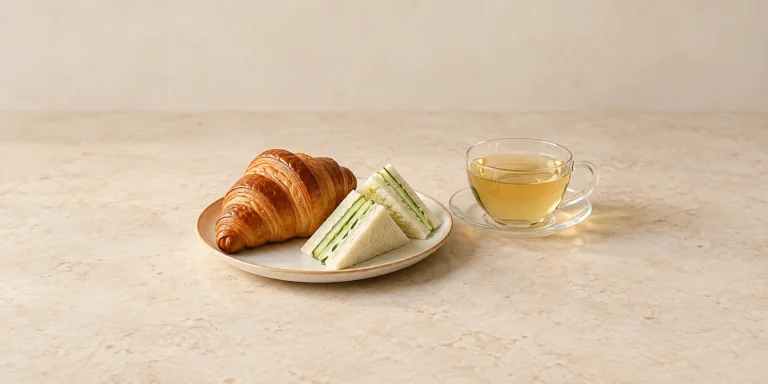
What to Eat with Pai Mu Tan White Tea
Pai Mu Tan's hay-like softness and subtle floral sweetness pair beautifully with light, delicate foods—think fresh fruits, mild cheeses, and gentle pastries.
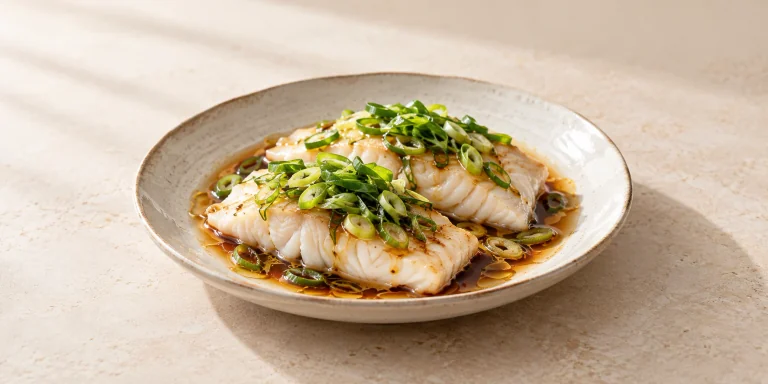
Pai Mu Tan Tea-Steamed Fish with Ginger and Scallions
Delicate white fish steamed over Pai Mu Tan tea with ginger and scallions—light, aromatic, and impossibly elegant.
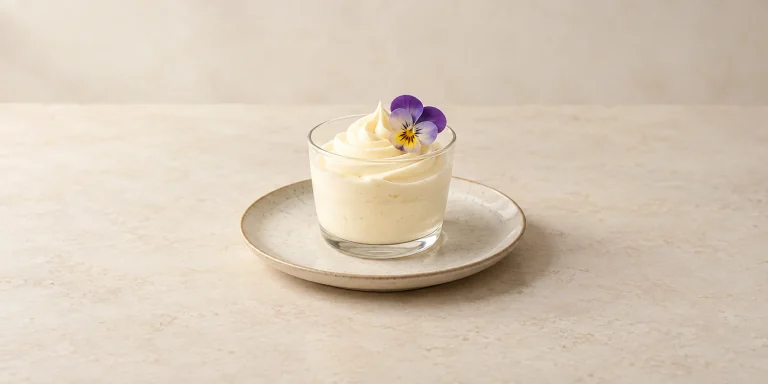
Pai Mu Tan White Tea and Honey Mousse
A cloud-light mousse infused with Pai Mu Tan white tea and acacia honey—delicate, floral, and melt-in-your-mouth elegant.
- Free
- Sundays
- 2 min
Drink better tea, one Sunday at a time.
A fact for the table·A shop worth the trip·A better cup·Ritual & kit of the week·Tea recipes & drinks
Drinks with this tea
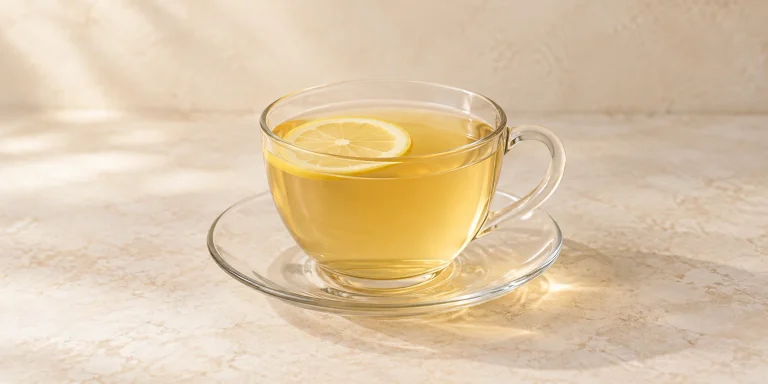
Pai Mu Tan with Fresh Ginger and Raw Honey
Pai Mu Tan brewed at 80°C, then stirred with finely grated ginger and raw honey, with a slice of lemon if you like: soft, hay-sweet, gently spicy and light on caffeine.
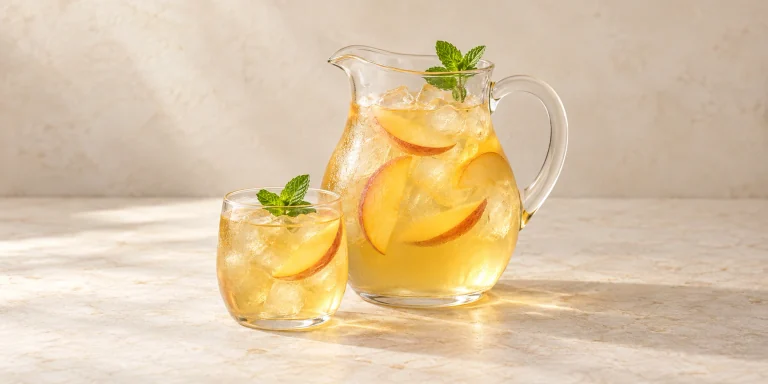
Pai Mu Tan Iced Tea with Peach and Jasmine
Cold-brewed Pai Mu Tan white tea with ripe peach slices and a hint of jasmine—a crystal-clear, floral summer cooler.
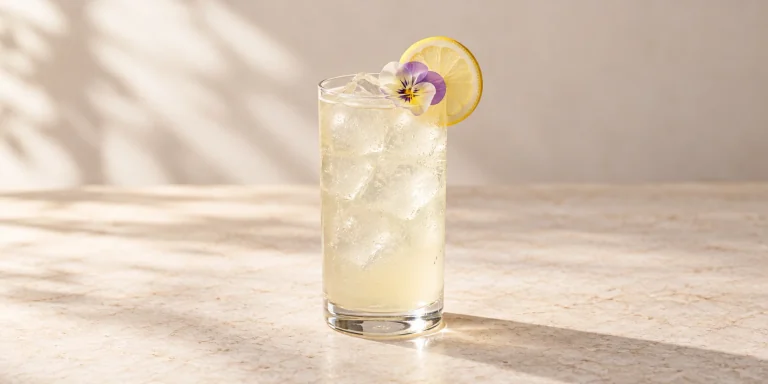
White Peony Gin Fizz
A botanical gin fizz elevated with Pai Mu Tan-infused gin, elderflower, and lemon—light, floral, and effervescent.