
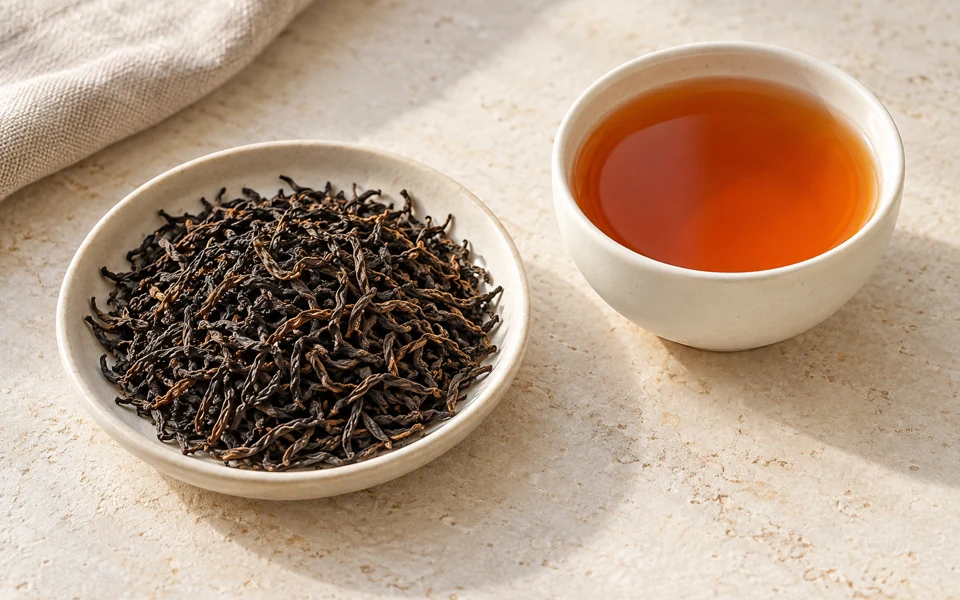
Ceylon
Black tea
4.5/5 · FindMeTea score
About this tea
Ceylon tea is a world-renowned black tea grown exclusively in Sri Lanka, the island nation formerly known as Ceylon. Prized for its bright, brisk character with citrus and spice undertones, Ceylon tea varies dramatically by elevation — from the bold, full-bodied teas of the lowlands to the delicate, aromatic teas of the misty highlands above 1,200 meters. It is one of the most versatile teas in the world, equally excellent served hot, iced, or as the base for blends.
How to brew: 95°C, 4 min, 2.5 g per cup.
Caffeine
High
How to brew
Flavor notes
earthy, smooth, lightly sweet
Often associated with
Wake-up, Gentle energy
Best time to enjoy
Morning, Mid-morning
Tags
Where to find it in United States
 Where to find it in United States
Near Columbus
- North Market SpicesOther Black tea
Columbus · North Market, downtown
Lapsang Souchong
from US$ 11· 2 oz
In storeOnline59 Spruce Street, Columbus, OH 43215See the shop → - Posh Teatime Co.Other Black tea
Columbus · Franklinton, West Broad Street
English Breakfast Tea Sachets
from US$ 9.95· 10 sachets
In storeOnline1273 W Broad Street, Columbus, OH 43222See the shop → - The Head NutThis tea
Philadelphia · Reading Terminal Market
Ceylon Orange Pekoe
from US$ 2.50· 1 oz
In storeOnline51 N 12th St, Philadelphia, PA 19107See the shop → - The Random Tea RoomThis tea
Philadelphia · Northern Liberties
Kenilworth Ceylon
US$ 19.50· 6 oz
In storeOnline713 N 4th St, Philadelphia, PA 19123See the shop → - Tea CozyThis tea
Sacramento · R Street Corridor, inside ARTHOUSE
Ceylon, organic (Sri Lanka)
from US$ 7.50· 2 oz
In storeOnline1021 R Street, Sacramento, CA 95811See the shop →
Origin & Production
Sri Lanka's central highlands provide the ideal terroir for tea cultivation, with six principal growing regions each producing distinct flavor profiles. Nuwara Eliya at 1,800+ meters yields the lightest, most fragrant teas; Dimbula and Uva produce classic medium-bodied Ceylon with bright character; Kandy grows mid-elevation teas with full body; and the lowland Ruhuna and Sabaragamuwa regions produce strong, malty teas ideal for blending.
Production process
Withering
Freshly plucked leaves are spread on withering troughs for 12–18 hours with warm air, reducing moisture content by 60–70% and making them pliable for rolling.
Rolling
Withered leaves are passed through orthodox rolling machines that twist and rupture cell walls, releasing enzymes and essential oils that initiate oxidation.
Oxidation
Rolled leaves are spread in cool, humid rooms for 1–3 hours. The oxidation process turns leaves from green to coppery-brown and develops the tea's characteristic brisk flavor.
Firing
Oxidation is halted by passing leaves through hot-air dryers at 85–95°C, locking in flavor and reducing moisture to 2–3% for shelf stability.
Sorting & grading
Dried tea is sifted through meshes to separate whole-leaf grades (OP, BOP) from smaller broken, fannings, and dust grades used in tea bags.
- Free
- Sundays
- 2 min
Drink better tea, one Sunday at a time.
A fact for the table·A shop worth the trip·A better cup·Ritual & kit of the week·Tea fun facts
History & Tradition
Sri Lanka's transformation from a coffee colony to one of the world's top tea producers is one of the great stories of agricultural reinvention.
James Taylor's first plantation
Scottish planter James Taylor established the first commercial tea plantation at Loolecondera Estate in Kandy, planting 19 acres of tea seedlings from Assam after coffee leaf rust devastated the island's coffee crops.
First export shipment
The first commercial shipment of Ceylon tea — just 23 pounds — was sent to London, where it received enthusiastic reviews at auction.
Thomas Lipton enters
Sir Thomas Lipton bought vast estates in Ceylon and marketed affordable, packaged Ceylon tea directly to consumers, revolutionizing the tea trade and making Ceylon tea a household name worldwide.
Ceylon becomes Sri Lanka
The country was renamed Sri Lanka, but 'Ceylon tea' retained its name as a protected geographical designation — the lion logo trademark guarantees 100% Sri Lankan origin.
What's in the cup
Caffeine: level 3 of 3
Ceylon sits at level 3 on our caffeine scale, the same step as Assam and English Breakfast. The catalog brews it at 95 °C for 4 minutes with 2.5 g per cup and lists it for the morning and mid-morning — a breakfast tea, not an evening one.
Elevation, in the cup
The island grades its teas by height. Low-grown leaf from Ruhuna and Sabaragamuwa brews dark, strong and malty, which is why blenders buy it; high-grown leaf from Nuwara Eliya, Dimbula and Uva brews lighter, brighter and more aromatic. The word 'Ceylon' on a tin can mean either, so the district name is the detail worth reading.
Theaflavins, read as color and body
Full oxidation turns the leaf's catechins into theaflavins and thearubigins, the compounds behind black tea's coppery liquor and brisk body. In the cup that is a matter of color, strength and astringency — the reason a Ceylon takes milk — not of effect.
Hot, iced or blended, by custom
Whole-leaf OP is drunk without milk; broken BOP is the morning cup with milk and the usual base for iced tea. The brisk, clean profile is also why so much Ceylon leaf ends up in breakfast blends: it carries strength without going flat.
- Free
- Sundays
- 2 min
Drink better tea, one Sunday at a time.
A fact for the table·A shop worth the trip·A better cup·Ritual & kit of the week·Brew better
Grades & Varieties
OP (Orange Pekoe)
Long, wiry whole leaves without tips. Produces a light, bright, and aromatic cup — the benchmark whole-leaf Ceylon grade.
Best for
- ✓Light afternoon tea
- ✓Drinking without milk
- ✓Loose-leaf brewing
BOP (Broken Orange Pekoe)
Smaller broken leaves that brew faster and produce a stronger, more full-bodied cup with deeper color. The most commercially popular Ceylon grade.
Best for
- ✓Morning tea with milk
- ✓Strong everyday brew
- ✓Iced tea
FBOPF (Flowery BOP Fannings)
Fine particles with some golden tips, producing a very strong, quick-brewing cup with rich color and intense flavor. Premium fannings grade.
Best for
- ✓Tea bags
- ✓Quick strong brew
- ✓Milk tea and chai
Did you know?
When Sri Lanka changed its name in 1972, the tea industry kept "Ceylon Tea" as a brand because it was already world-famous; only tea grown and packed in Sri Lanka can use the Lion logo.
Foods with this tea
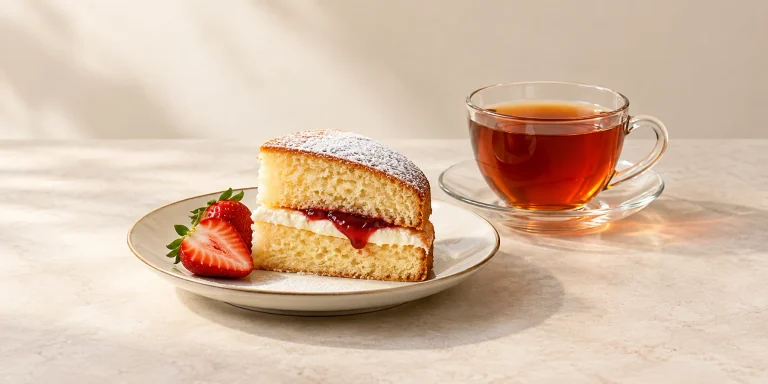
What to Eat with Ceylon Tea
Ceylon's smooth, slightly sweet profile complements everything from spiced curries to delicate pastries.
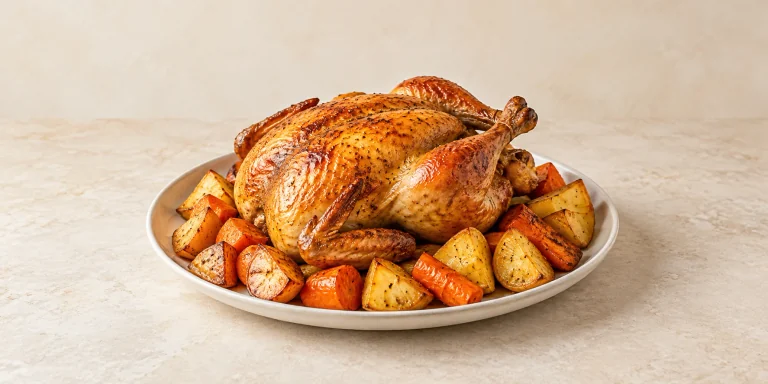
Ceylon Tea-Brined Chicken
Brining chicken in Ceylon tea creates juicy, subtly flavored meat with gorgeous golden skin. A weekend favorite.
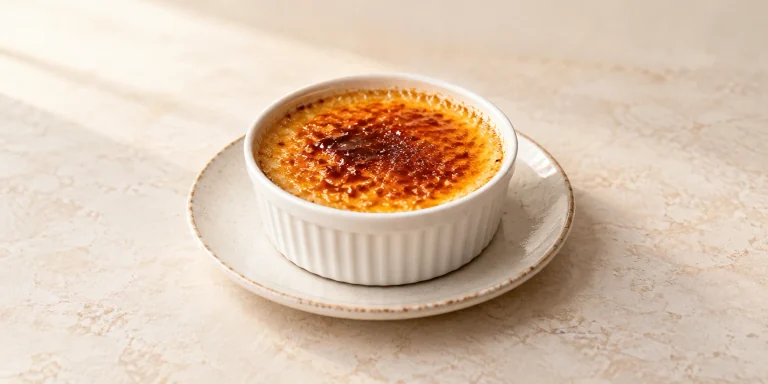
Ceylon Tea Crème Brûlée
A silky custard infused with Ceylon tea and caramelized to crackly perfection. Elegant and surprisingly simple.
- Free
- Sundays
- 2 min
Drink better tea, one Sunday at a time.
A fact for the table·A shop worth the trip·A better cup·Ritual & kit of the week·Tea recipes & drinks
Drinks with this tea

Ceylon Tea with Cinnamon and Ginger
Loose Ceylon steeped in water simmered with a cinnamon stick and fresh ginger—warm, lightly sweet and barely in need of honey.

Ceylon Iced Tea with Peach
Classic iced Ceylon tea brightened with fresh peach and a hint of mint—a refreshing summer staple.

Ceylon Rum Punch
A tropical punch blending Ceylon tea with dark rum, lime, and tropical fruits—perfect for warm-weather entertaining.