
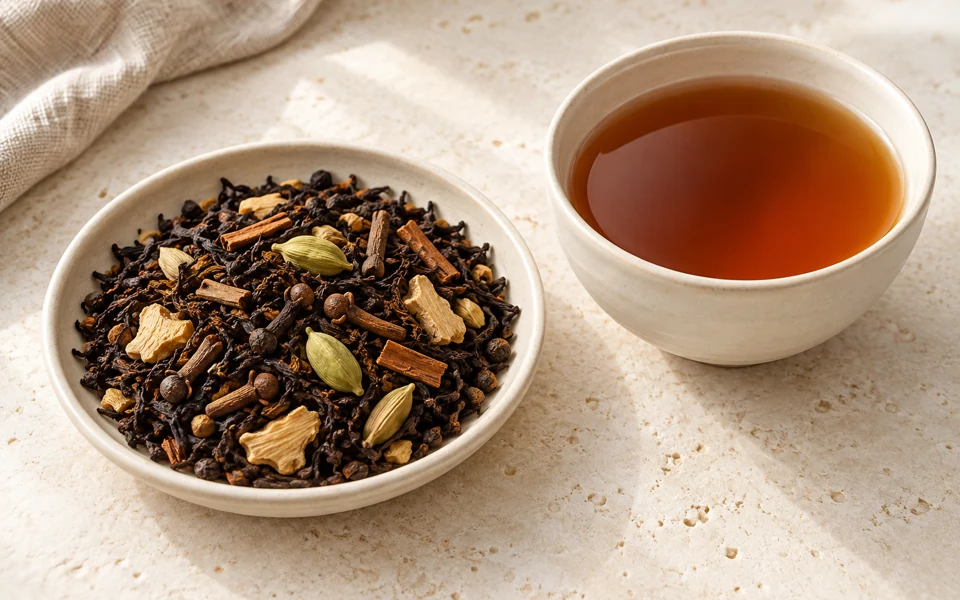
Decaf Chai
Chai
4.3/5 · FindMeTea score
About this tea
Decaf Chai is a warming, spice-rich black tea blend that delivers all the aromatic complexity of traditional Indian masala chai — ginger, cardamom, cinnamon, cloves, and black pepper — without the stimulating effects of caffeine. Using naturally decaffeinated black tea as its base, Decaf Chai makes the beloved ritual of chai accessible at any hour, including evenings, for caffeine-sensitive individuals, and during pregnancy. It preserves the bold, spicy character that has made chai one of the world's most popular tea preparations.
How to brew: 95°C, 5 min, 2.5 g per cup.
Caffeine
None
How to brew
Flavor notes
spiced, sweet, warming
Often associated with
Comfort, Caffeine-free warmth
Best time to enjoy
Afternoon, Evening, Any time
Tags
Where to find it in United States
 Where to find it in United States
Near Columbus
- North Market SpicesOther Chai
Columbus · North Market, downtown
Chai Powder
from US$ 9· 1.5 oz
In storeOnline59 Spruce Street, Columbus, OH 43215See the shop → - The Head NutOther Chai
Philadelphia · Reading Terminal Market
Natural Chai Tea
from US$ 2.50· 1 oz
In storeOnline51 N 12th St, Philadelphia, PA 19107See the shop → - Summit Spice & Tea CompanyOther Chai
Anchorage · Midtown (Denali Street)
Masala Chai (bulk, per oz)
from US$ 2.95· 1 oz
In storeOnline3030 Denali St #2, Anchorage, AK 99503See the shop → - SW HerbOther Chai
Mesa · Downtown Mesa, N Center Street
Green Chai Tea Organic
US$ 3.04· 1 oz (2 oz minimum)
In storeOnline148 N Center Street, Mesa, AZ 85201See the shop → - HoneyBee Sage Wellness & ApothecaryOther Chai
Milwaukee · Bronzeville (MLK Drive); express counter in the Historic Third Ward
Rooibos Chai
US$ 3.46· 1 oz
In storeOnline1819 N Dr. Martin Luther King Jr. Drive, Milwaukee, WI 53212See the shop →
Origin & Production
Masala chai originates from the Indian subcontinent, where chai wallahs (tea vendors) have been blending black tea with spices for generations. The base tea is typically a strong Assam or South Indian CTC black tea, chosen for its bold body that stands up to milk and spices. For decaf versions, the tea base undergoes decaffeination before blending — most commonly via the CO₂ method in specialized facilities in Germany or via ethyl acetate processing in India and China.
Production process
Decaffeination (CO₂ method)
The preferred method: supercritical CO₂ is used as a solvent to selectively extract caffeine from the tea leaves while preserving most polyphenols and flavor compounds. This removes 96–98% of caffeine (leaving ~2–5 mg per cup vs. 50–90 mg in regular black tea).
Spice preparation
Whole spices — cardamom pods, cinnamon bark, dried ginger root, whole cloves, and black peppercorns — are individually dried, toasted to release volatile oils, then crushed or cut to optimal size for even flavor extraction.
Blending
Decaffeinated CTC or broken-leaf tea is combined with the prepared spice blend in precise ratios. Each brand adjusts the proportions — more ginger for heat, more cardamom for aroma, more cinnamon for sweetness.
Quality testing
Final blends are brewed and tasted with milk (the traditional chai preparation) to ensure the spice balance, tea body, and overall flavor profile match the target — even without caffeine's contribution to perceived strength.
- Free
- Sundays
- 2 min
Drink better tea, one Sunday at a time.
A fact for the table·A shop worth the trip·A better cup·Ritual & kit of the week·Tea fun facts
History & Tradition
Chai's history stretches back thousands of years in South Asia, while the decaffeinated version is a modern innovation that makes this beloved ritual available to everyone.
Ancient Ayurvedic origins
The original 'chai' was a caffeine-free spiced healing beverage rooted in the millennia-old spice tonics of the Ayurvedic tradition (Ayurveda dates back some 3,000 years) — a hot infusion of ginger, cardamom, cloves, pepper, and cinnamon used as a digestive and warming remedy, predating the addition of tea leaves.
Tea meets spice
When the British began commercial tea cultivation in Assam, they promoted tea consumption among Indian workers. Indians adapted the drink by adding their traditional spice blends and milk — creating masala chai as we know it.
CO₂ decaffeination invented
Kurt Zosel at the Max Planck Institute discovered supercritical CO₂ decaffeination in 1967 and patented it in the early 1970s — a chemical-free method that removes caffeine while preserving flavor, revolutionizing the decaf tea market.
Decaf chai goes mainstream
As chai lattes boomed in Western cafés, demand grew for decaf versions. Major brands like Twinings, Tazo, and Vahdam launched decaf chai lines, and specialty chai companies began offering CO₂-decaffeinated premium blends.
What's in the cup
Spice-powered heart health
Cinnamon (cinnamaldehyde) and ginger (gingerols) in chai have been shown to support healthy blood pressure and improve circulation, while the decaf tea base still provides flavonoid polyphenols.
Digestive warming
Ginger, black pepper (piperine), and cardamom are well-established digestive aids — ginger reduces nausea, piperine stimulates digestive enzymes, and cardamom eases bloating.
Anti-inflammatory spice synergy
Cloves contain eugenol (one of nature's most potent antioxidants), cinnamon provides cinnamaldehyde, and ginger delivers gingerols — together creating a powerful anti-inflammatory cocktail.
Caffeine-free relaxation
With only 2–5 mg of residual caffeine per cup (vs. 50–90 mg in regular chai), decaf chai can be enjoyed before bed or by those with caffeine sensitivity without disrupting sleep quality.
Blood sugar support
Ceylon cinnamon in chai has demonstrated ability to improve insulin sensitivity and help regulate blood glucose levels, with studies showing benefits at just ½ teaspoon daily.
- Free
- Sundays
- 2 min
Drink better tea, one Sunday at a time.
A fact for the table·A shop worth the trip·A better cup·Ritual & kit of the week·Brew better
Grades & Varieties
Traditional masala chai blend
The classic five-spice chai: decaf CTC black tea with cardamom, cinnamon, ginger, cloves, and black pepper. Bold, warming, and aromatic — the closest to Indian street-style chai without caffeine.
Best for
- ✓Chai latte with milk
- ✓Evening comfort drink
- ✓Traditional simmered preparation
Vanilla chai blend
A sweeter, more dessert-like variation that adds vanilla bean or vanilla extract to the traditional spice blend. Smoother and more approachable for those new to chai's spice intensity.
Best for
- ✓Dessert pairing
- ✓Iced chai latte
- ✓Introduction to chai
Ginger-forward chai blend
A variation with extra dried ginger and sometimes fresh turmeric, emphasizing the warming, pungent heat. Popular in Ayurvedic wellness circles for its digestive and anti-inflammatory properties.
Best for
- ✓Cold and flu season
- ✓Digestive support
- ✓Wellness-focused drinking
Did you know?
Decaffeinated tea still contains trace caffeine (under 2.5% of original); the process doesn't remove the antioxidants that make tea beneficial.
Foods with this tea
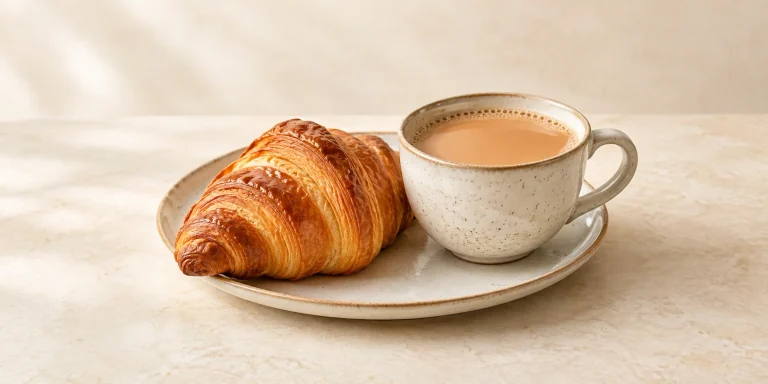
What to Eat with Decaf Chai Tea
Decaf chai's warm spice blend—cinnamon, cardamom, ginger, cloves—pairs beautifully with buttery pastries, nutty sweets, and savory dishes that echo its cozy warmth.
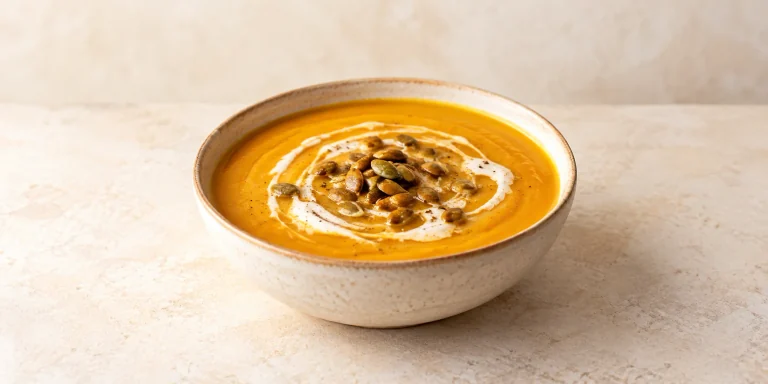
Decaf Chai-Spiced Butternut Squash Soup
Velvety butternut squash soup infused with decaf chai spices—cinnamon, cardamom, ginger, and cloves—served with a swirl of coconut cream.
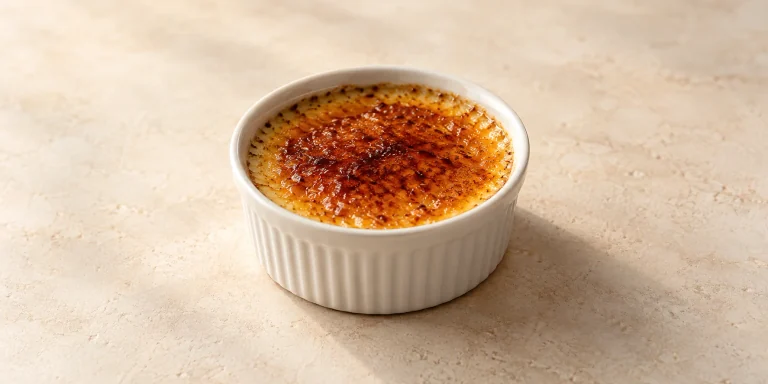
Decaf Chai Spiced Crème Brûlée
A silky crème brûlée infused with decaf chai—cinnamon, cardamom, ginger, and cloves bloom in warm cream beneath a shattering caramel crust.
- Free
- Sundays
- 2 min
Drink better tea, one Sunday at a time.
A fact for the table·A shop worth the trip·A better cup·Ritual & kit of the week·Tea recipes & drinks
Drinks with this tea
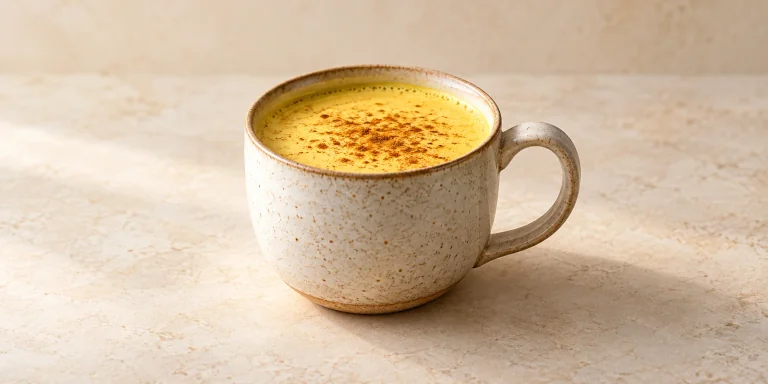
Decaf Chai Golden Milk
Decaf chai steeped straight into hot milk with turmeric, black pepper, honey and vanilla: a golden, caffeine-free cup for the end of the day.
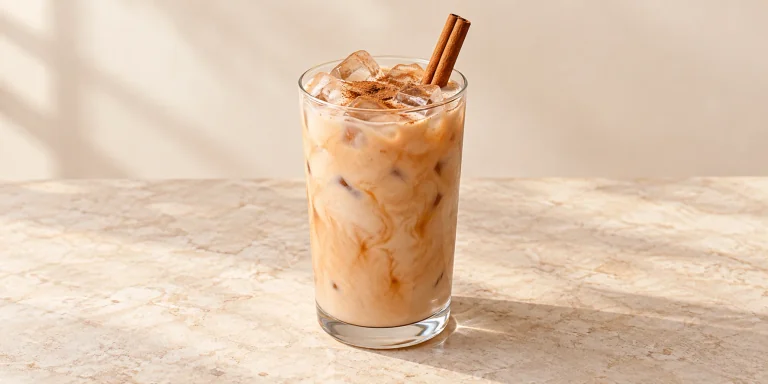
Iced Decaf Chai Horchata
Cold-brewed decaf chai blended with creamy horchata—a cinnamon-forward, caffeine-free iced drink that's sweet, spicy, and utterly refreshing.
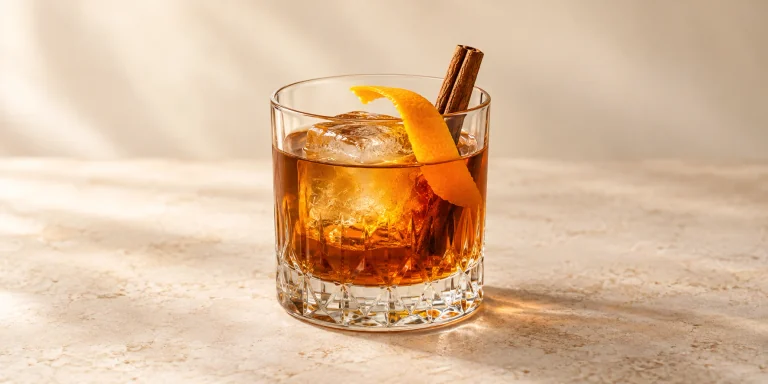
Decaf Chai Old Fashioned
A spiced twist on the classic Old Fashioned—bourbon infused with decaf chai brings cinnamon, cardamom, and clove warmth to every sip.