
Tieguanyin
Oolong tea
4.7/5 · FindMeTea score
About this tea
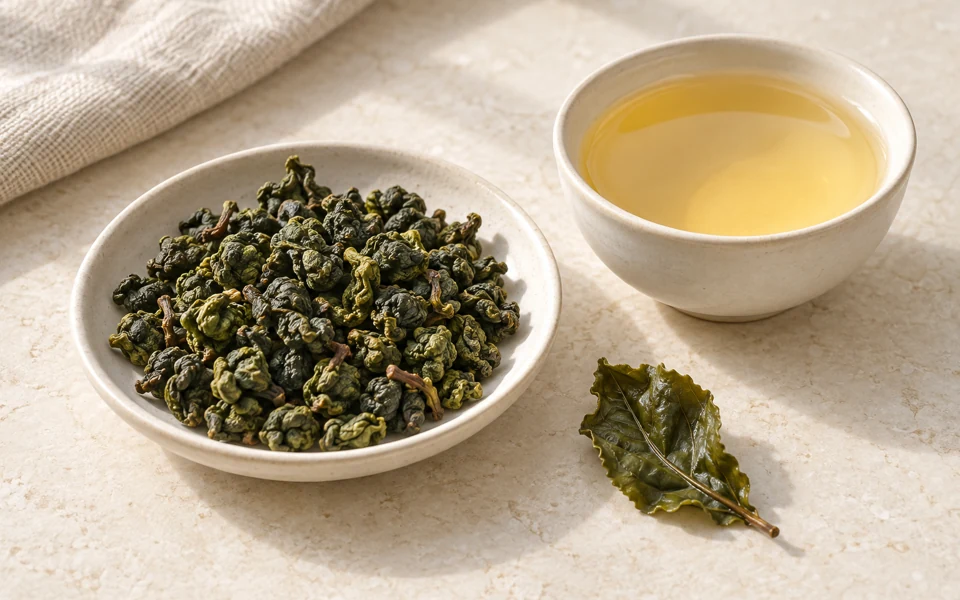
Tieguanyin (Iron Goddess of Mercy) is one of China's most celebrated oolong teas, originating from Anxi County in Fujian Province. Known for its captivating orchid fragrance, creamy mouthfeel, and lingering floral aftertaste, Tieguanyin undergoes a partial oxidation process (15–70%) that creates a remarkable spectrum of styles — from light and floral jade versions to deeply roasted amber infusions. Revered for centuries in Chinese tea culture, it remains one of the most widely enjoyed and award-winning oolongs in the world.
How to brew: 90°C, 2.5 min, 3 g per cup.
Caffeine
Medium
How to brew
Flavor notes
floral, creamy, sweet
Often associated with
Balance, Sense of well-being
Best time to enjoy
Mid-morning, Early afternoon
Tags
Where to find it in United States
 Where to find it in United States
- The Head NutThis tea
Philadelphia · Reading Terminal Market
Huang Jin Kui Oolong
from US$ 2.99· 1 oz
In storeOnline51 N 12th St, Philadelphia, PA 19107See the shop → - TeaSourceThis tea
St. Anthony · St. Anthony Village, north-east of Minneapolis (also Roseville)
Wise Old Owl Tieguanyin
from US$ 6· 2 oz
In storeOnline2908 Pentagon Dr NE, St. Anthony, MN 55418See the shop → - Tippecanoe Herbs and ApothecaryThis tea
Milwaukee · Bay View, S Kinnickinnic Ave
Tea - Oolong Se Chung
US$ 3.75· 1 oz
In storeOnline2235 S Kinnickinnic Ave, Milwaukee, WI 53207See the shop → - The Spice HutThis tea
Bellingham · W Kellogg Road, north Bellingham
Ti Kuan Yin Oolong Tea
from US$ 7.94· 2 oz
In storeOnline131 W Kellogg Rd, Bellingham, WA 98226See the shop → - Fusion TeasThis tea
McKinney · University Business Drive, north McKinney off US 75
Ti Kwan Yin Oolong
US$ 17· 4 oz
In storeOnline1905 University Business Dr, Suite 604, McKinney, TX 75071See the shop →
Origin & Production
Tieguanyin is grown primarily in Anxi County, nestled among the misty mountains of southern Fujian at elevations of 600–1,000 meters. The subtropical climate, mineral-rich red clay soil, and frequent cloud cover create ideal conditions for developing the tea's signature orchid aroma. Other notable growing areas include Xianghua and Gande townships within Anxi.
Production process
Withering in sunlight
Freshly picked leaves are spread outdoors under gentle sunlight for 30–60 minutes to begin moisture reduction and trigger early enzymatic changes.
Tossing and bruising (yaoqing)
Leaves are gently tossed in bamboo trays to bruise the edges, exposing cell juices to air and initiating partial oxidation — this step is repeated multiple times over several hours to develop floral complexity.
Kill-green (sha qing)
Once the desired oxidation level is reached (typically 15–30% for jade style, up to 70% for traditional), leaves are heated in a large wok or tumble dryer to halt oxidation and lock in aroma.
Rolling into tight balls
Leaves are wrapped in cloth and mechanically rolled into the characteristic tight, pellet-like balls that slowly unfurl during steeping, releasing flavor gradually across multiple infusions.
Roasting
The final roast — light for jade (qingxiang) Tieguanyin, medium-to-heavy for traditional (nongxiang) — determines the tea's depth, sweetness, and toasty character.
- Free
- Sundays
- 2 min
Drink better tea, one Sunday at a time.
A fact for the table·A shop worth the trip·A better cup·Ritual & kit of the week·Tea fun facts
History & Tradition
Tieguanyin's origins are steeped in legend and devotion, linking a humble farmer's prayers to the Buddhist Goddess of Mercy — a story that gave this tea its poetic name over 300 years ago.
Discovery by Wei Yin
According to the most popular legend, farmer Wei Yin of Anxi discovered a unique tea plant near a dilapidated temple of Guanyin (Goddess of Mercy). He nurtured it and named the tea Tieguanyin in her honor.
Imperial tribute tea
During the reign of Emperor Qianlong (Qing Dynasty), Tieguanyin was presented as tribute tea to the imperial court. The emperor is said to have named it 'Iron Goddess of Mercy' due to the leaves' heavy, iron-like weight.
Spread across Southeast Asia
Fujian emigrants brought Tieguanyin to Taiwan, Malaysia, and Southeast Asia, establishing gongfu tea culture and making it a staple of Chinese diaspora communities.
National Famous Tea designation
Tieguanyin was officially named one of China's Top Ten Famous Teas, solidifying its status as a national treasure and cultural icon.
Modern jade-style revolution
Lighter oxidation 'jade' (qingxiang) Tieguanyin surged in popularity, offering a greener, more floral profile that appealed to younger tea drinkers in China and globally.
What's in the cup
Mental clarity
Rich in L-theanine, Tieguanyin promotes alpha brain wave activity, enhancing focus and calm alertness without the jitters associated with coffee.
Antioxidant protection
Contains a diverse mix of catechins (EGCG, ECG) and theaflavins that help neutralize free radicals and protect cells from oxidative damage.
Cardiovascular support
Polyphenols in oolong tea have been shown to help reduce LDL cholesterol oxidation and support healthy blood vessel function, contributing to overall heart health.
Metabolism boost
Oolong tea polyphenols activate enzymes that enhance fat metabolism. Studies suggest regular consumption may increase energy expenditure by 2.9–3.4% compared to water.
Digestive wellness
The partial oxidation process creates unique polyphenols that support healthy gut bacteria and may help soothe the digestive tract after meals.
Balanced energy
With moderate caffeine (30–50 mg per cup) paired with L-theanine, Tieguanyin delivers sustained energy without the crash, ideal for long work sessions.
- Free
- Sundays
- 2 min
Drink better tea, one Sunday at a time.
A fact for the table·A shop worth the trip·A better cup·Ritual & kit of the week·Brew better
Grades & Varieties
Jade / Qingxiang (light fragrance)
Lightly oxidized (15–25%) and minimally roasted. Bright green leaves unfurl into a pale golden-green liquor with intense floral and orchid aromas. Clean, crisp, and refreshing with a buttery finish.
Best for
- ✓Gongfu brewing
- ✓Afternoon tea
- ✓Floral tea lovers
Traditional / Nongxiang (rich fragrance)
More heavily oxidized (40–70%) and charcoal-roasted. Amber liquor with a complex profile of toasted grain, ripe fruit, caramel, and a deep warming sweetness. Fuller body and longer finish.
Best for
- ✓Gongfu brewing
- ✓After-dinner tea
- ✓Roasted tea enthusiasts
Aged Tieguanyin (Chen Xiang)
Aged for 5–25+ years with periodic re-roasting. Deep mahogany liquor with dried fruit, woody, and medicinal honey notes. Exceptionally smooth and prized by collectors.
Best for
- ✓Meditative sipping
- ✓Special occasions
- ✓Tea collectors
Did you know?
Tieguanyin (Iron Goddess of Mercy) is among the world's priciest teas — premium Anxi lots have sold at record prices; the leaves are rolled so tightly they're described as "iron-like."
Foods with this tea
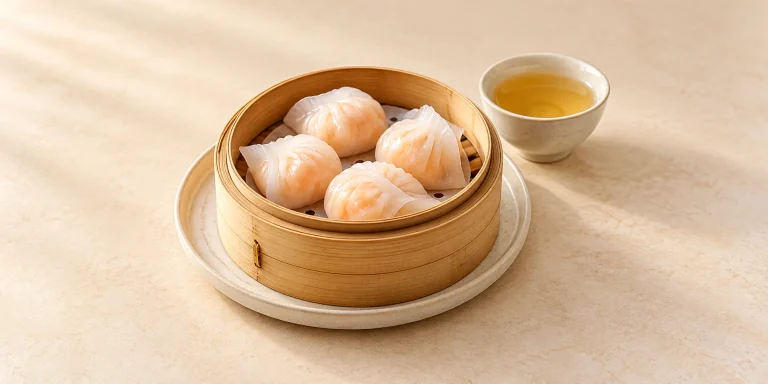
What to Eat with Tieguanyin Oolong Tea
Tieguanyin's orchid-floral aroma and creamy body pair beautifully with light dim sum, seafood, and delicate sweets that let its elegance shine.
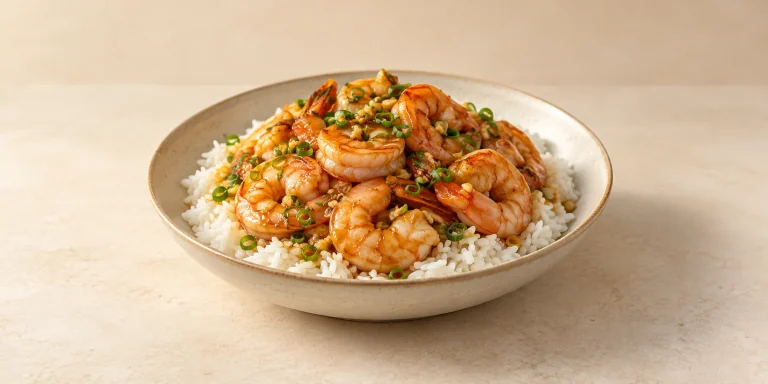
Tieguanyin Tea-Smoked Shrimp with Jasmine Rice
Shrimp smoked over Tieguanyin leaves become fragrant and subtly floral, served over jasmine rice with a bright scallion-ginger sauce.
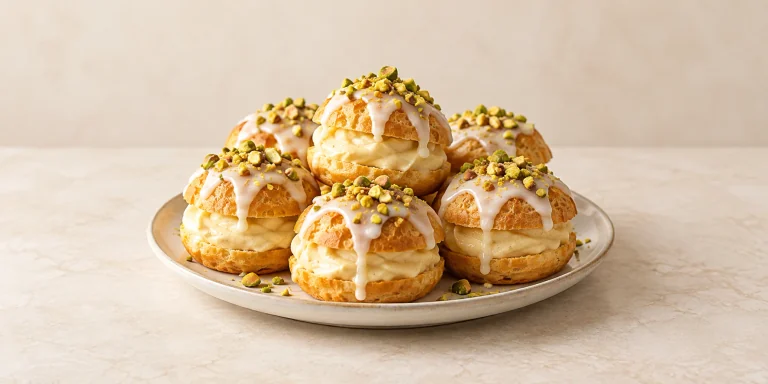
Tieguanyin Cream Puffs with Orchid Glaze
Light choux pastry filled with Tieguanyin-infused pastry cream and topped with a delicate orchid-vanilla glaze—floral, creamy, irresistible.
- Free
- Sundays
- 2 min
Drink better tea, one Sunday at a time.
A fact for the table·A shop worth the trip·A better cup·Ritual & kit of the week·Tea recipes & drinks
Drinks with this tea
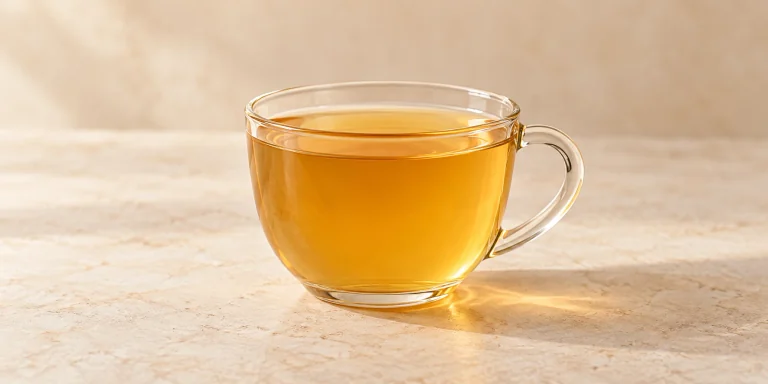
Tieguanyin with Fresh Ginger, Honey and Lemon
Tieguanyin's creamy orchid notes with fresh ginger, raw honey, and a squeeze of lemon: warm, lightly spicy, and easy to sip after a meal.
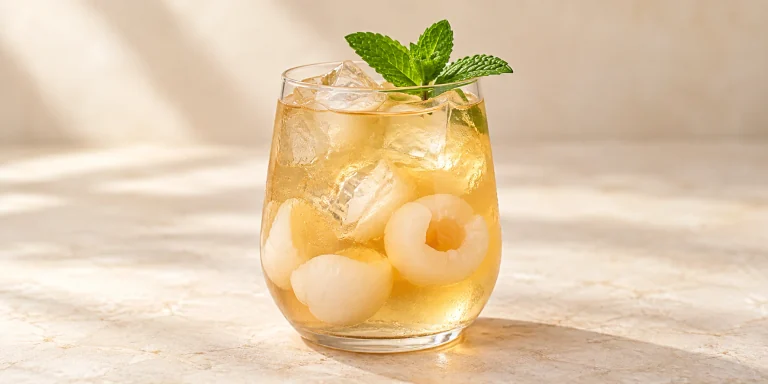
Iced Tieguanyin Lychee Cooler
Cold-brewed Tieguanyin meets fresh lychee and a splash of coconut water for a tropical, floral iced tea that tastes like summer in a glass.
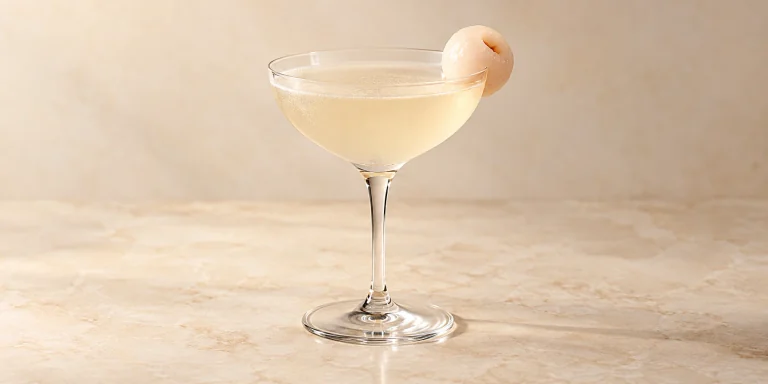
Tieguanyin Orchid Martini
Gin infused with Tieguanyin oolong, shaken with elderflower and lychee juice—a floral, silky martini that's as elegant as the Iron Goddess herself.