
Matcha
Matcha
4.9/5 · FindMeTea score
About this tea
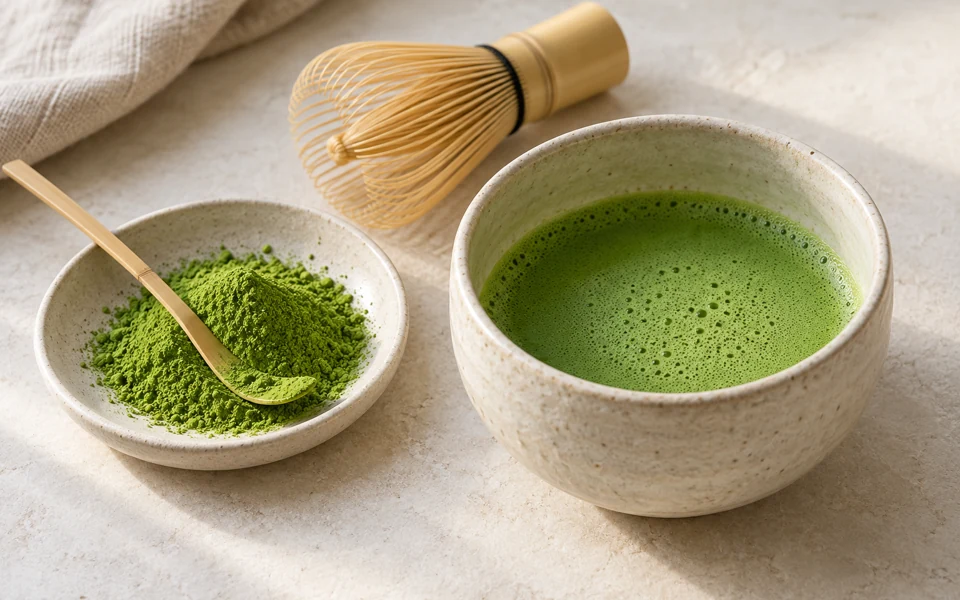
Matcha is a finely stone-ground Japanese green tea made from shade-grown tencha leaves, prized for its vibrant emerald color and rich umami flavor. Unlike other teas where leaves are steeped and discarded, matcha is whisked directly into water — meaning you consume the entire leaf, which is why a small spoon of powder sits at the top of our caffeine scale. Rooted in centuries of Zen Buddhist tradition and the Japanese tea ceremony, matcha has become one of the world's most sought-after teas, in the tea bowl and in the café latte alike.
How to brew: 75°C, 30s, 2 g per cup.
Caffeine
High
How to brew
Flavor notes
vegetal, sweet, umami
Often associated with
Sustained energy, Calm alertness
Best time to enjoy
Morning, Mid-morning
Tags
Where to find it in United States
 Where to find it in United States
- The Random Tea RoomThis tea
Philadelphia · Northern Liberties
Matcha
US$ 36· 6 oz
In storeOnline713 N 4th St, Philadelphia, PA 19123See the shop → - Fusion TeasThis tea
McKinney · University Business Drive, north McKinney off US 75
Everyday Ceremonial Matcha Green Tea Powder
US$ 27· 4 oz
In storeOnline1905 University Business Dr, Suite 604, McKinney, TX 75071See the shop → - McNulty's Tea & CoffeeThis tea
New York · Greenwich Village
Matcha (4 oz bag)
from US$ 27.50· 4 oz
In storeOnline109 Christopher StreetSee the shop → - SW HerbThis tea
Mesa · Downtown Mesa, N Center Street
Matcha (Camellia sinensis) Powder
US$ 7.57· 1 oz (2 oz minimum)
In storeOnline148 N Center Street, Mesa, AZ 85201See the shop → - Northern Lights Tea CompanyThis tea
Minneapolis · Lowry Hill East (Wedge)
Matcha, Organic
US$ 8.02· 1 oz
In storeOnline2703 Girard Ave S, Minneapolis, MN 55408See the shop →
Origin & Production
Matcha originates from Japan, where it has been cultivated for over 800 years. The finest matcha comes from Uji in Kyoto Prefecture — a region with the ideal combination of misty mountains, rich soil, and temperature variation. Nishio in Aichi Prefecture produces the largest volume, while Kagoshima in southern Japan is a rising star thanks to its volcanic soil.
Production process
Shade-growing
Tea bushes are covered with bamboo mats or dark nets 20–30 days before harvest, boosting chlorophyll and L-theanine while reducing bitterness.
Harvest & steaming
Only the youngest, most tender leaves are hand-picked, then immediately steamed to halt oxidation and lock in the bright green color.
Drying to tencha
Steamed leaves are dried flat (not rolled like sencha), then stems and veins are removed — the resulting flat leaf fragments are called tencha.
Stone-grinding
Tencha is slowly ground between granite stone mills at about 40g per hour. This slow process prevents heat damage and produces the ultra-fine, silky powder.
- Free
- Sundays
- 2 min
Drink better tea, one Sunday at a time.
A fact for the table·A shop worth the trip·A better cup·Ritual & kit of the week·Tea fun facts
History & Tradition
Matcha's journey spans over a thousand years, from Chinese Buddhist monasteries to the heart of Japanese culture — and now to cafés around the world.
Song Dynasty China
Chinese monks begin grinding tea leaves into powder and whisking them with hot water — the earliest form of matcha.
Eisai brings tea to Japan
Zen monk Eisai returns from China with tea seeds and the powdered tea method, planting them at temples in Kyoto and writing Japan's first tea treatise.
Zen monks & meditation
Matcha becomes central to Zen Buddhist practice — monks drink it to sustain calm alertness during long meditation sessions.
Sen no Rikyū & tea ceremony
Tea master Sen no Rikyū codifies the Japanese tea ceremony (chanoyu), elevating matcha into an art form centered on harmony, respect, purity, and tranquility.
Global matcha boom
Matcha goes worldwide — embraced by specialty coffee shops, home baristas and the wellness industry alike, and the matcha latte becomes a café standard from Tokyo to Buenos Aires.
What's in the cup
L-theanine and caffeine, in the same leaf
Matcha carries both caffeine and L-theanine, an amino acid found almost only in tea and concentrated by the weeks of shade before harvest. In the bowl, L-theanine is what you taste as umami — the savory, broth-like depth that separates a good matcha from a bitter one. This page describes the cup, not what the two do in the body.
Whole leaf, whole cup
Because the powder is suspended in the water rather than strained out, everything in the leaf ends up in the bowl — chlorophyll, caffeine, L-theanine and the catechins of green tea, EGCG among them. A steeped sencha leaves most of the leaf behind in the pot; matcha leaves nothing behind, which is also why a 2 g serving is enough.
Caffeine: level 3 of 3
On our 0–3 scale matcha sits at level 3, the top rung, because you drink the ground leaf itself. Our standard serving is 2 g whisked into water at 75 °C for about 30 seconds; a latte adds milk but no less caffeine, so the morning is its natural hour.
Rich in chlorophyll
Shade-growing floods the leaves with chlorophyll, giving matcha its deep, vibrant green color.
What EFSA says about green tea catechins
In 2018 the European Food Safety Authority reviewed the safety of green tea catechins. Its panel considered catechins from traditionally prepared green tea infusions in general safe at the intake levels reported in Europe, while noting rare cases of liver injury reported after green tea infusions, most probably idiosyncratic. For food supplements it found that doses of 800 mg of EGCG per day or more raised serum transaminases in clinical trials, and it could not identify an EGCG dose from green tea extracts that could be considered safe. Matcha is a whole-leaf infusion, not an extract — and it is also the tea where the whole leaf goes in, which is a reason to keep it to cups rather than capsules.
This isn't medical advice. If you have a specific condition, or you are pregnant or taking medication, check with a healthcare provider.
- Free
- Sundays
- 2 min
Drink better tea, one Sunday at a time.
A fact for the table·A shop worth the trip·A better cup·Ritual & kit of the week·Brew better
Grades & Varieties
Ceremonial grade
Made from the youngest spring leaves (first harvest), stone-ground to an ultra-fine powder. Vibrant emerald green with a naturally sweet, umami-rich flavor and zero bitterness.
Best for
- ✓Traditional tea ceremony
- ✓Whisked with water (usucha / koicha)
- ✓Drinking straight
Culinary grade
Made from later harvests with more robust flavor. Slightly more astringent and darker green — designed to hold its own when mixed with milk, sugar, or baked into recipes.
Best for
- ✓Matcha lattes
- ✓Smoothies & shakes
- ✓Baking & cooking
Did you know?
Matcha is the world's only "suspension tea"—you whisk the powder into water and drink it immediately; Zen monks used it to stay alert during meditation in the 11th century.
Foods with this tea
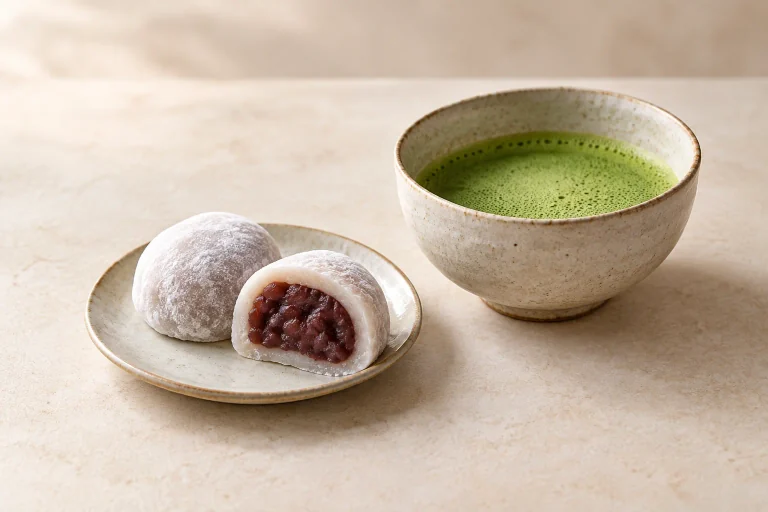
What to Eat with Matcha Tea
Matcha's rich umami depth and creamy sweetness pair beautifully with both delicate Japanese flavors and bold Western treats—from mochi to dark chocolate.
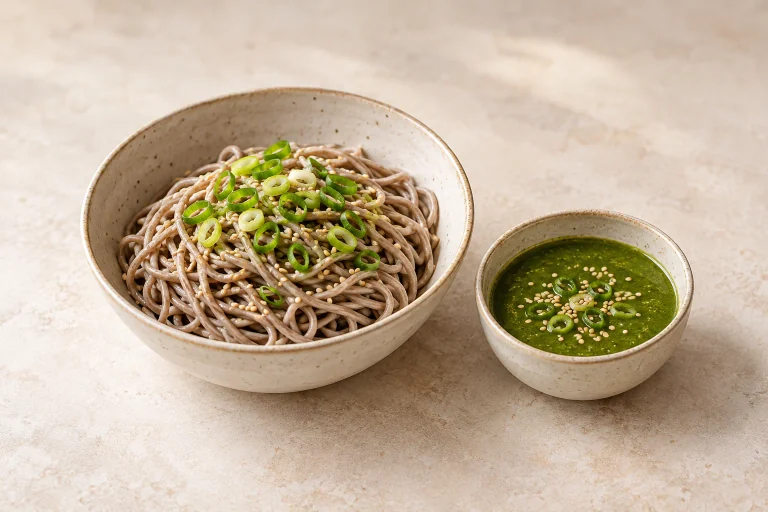
Matcha Soba Noodles with Sesame Dipping Sauce
Cold soba noodles tossed with matcha and served with a rich sesame-soy dipping sauce—earthy, umami-packed, and refreshingly light.
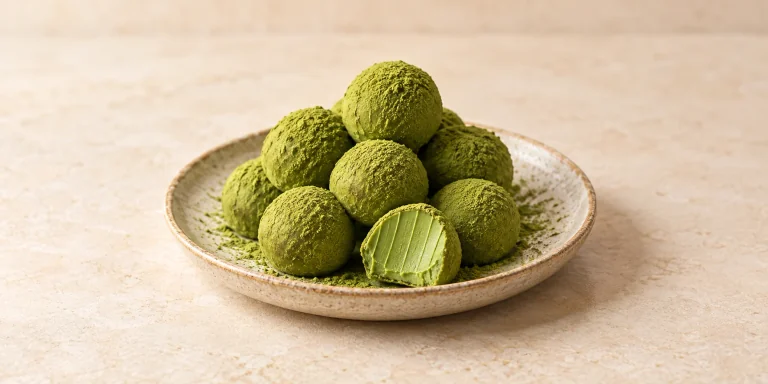
Matcha White Chocolate Truffles
Creamy white chocolate truffles infused with ceremonial matcha—vibrant green, melt-in-your-mouth, and impossible to eat just one.
- Free
- Sundays
- 2 min
Drink better tea, one Sunday at a time.
A fact for the table·A shop worth the trip·A better cup·Ritual & kit of the week·Tea recipes & drinks
Drinks with this tea
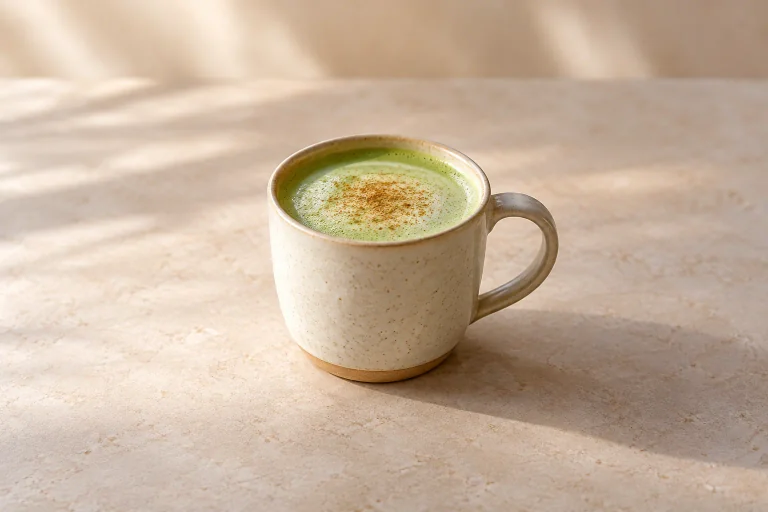
Matcha Oat Milk Latte with Collagen and Honey
Ceremonial matcha whisked smooth with hot water, then poured with warm oat milk, collagen peptides and a touch of honey: creamy, grassy and bright green.
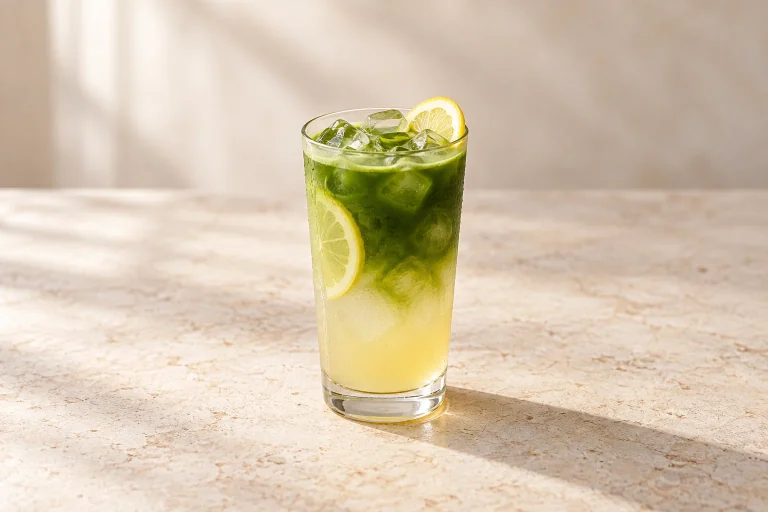
Iced Matcha Lemonade
Bright, citrusy, and impossibly refreshing—matcha meets fresh lemon juice over ice for a vibrant green summer drink that's sweet, tart, and earthy.
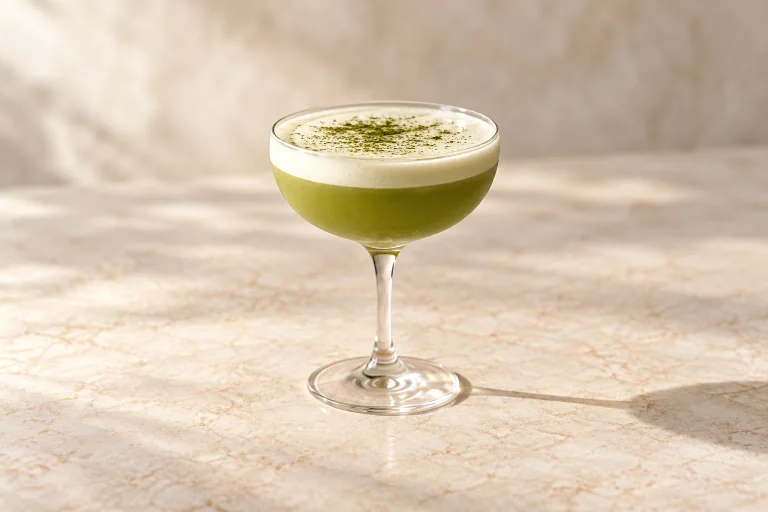
Matcha Gin Sour
A vivid green cocktail shaking matcha with gin, lime, and egg white into a frothy, botanical masterpiece that's as beautiful as it is balanced.