
Genmaicha
Green tea
4.6/5 · FindMeTea score
About this tea
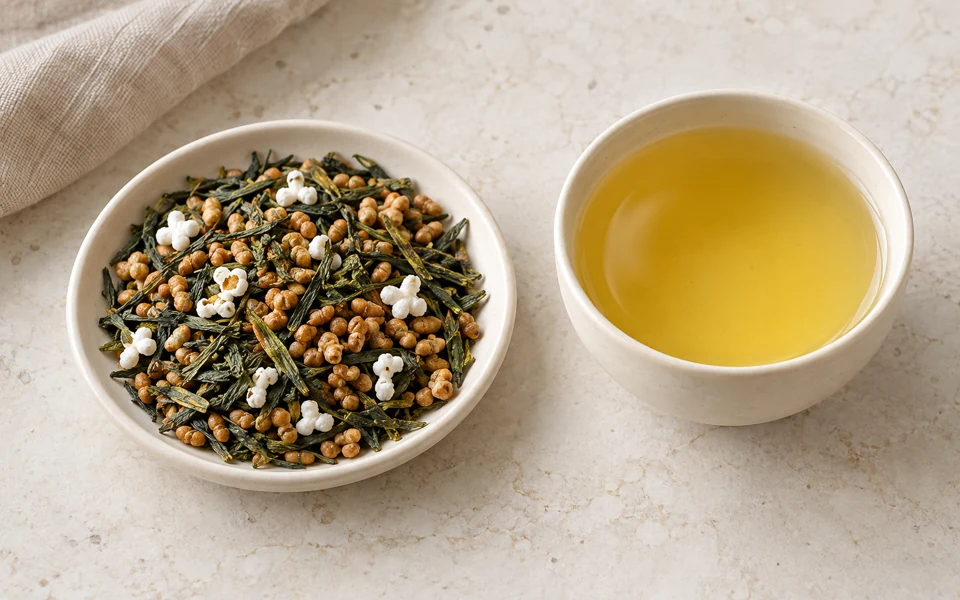
Genmaicha is a uniquely Japanese green tea blended with roasted brown rice (genmai), creating a warm, toasty, and comforting cup unlike any other tea. Some of the rice grains pop during roasting, producing small white puffs that resemble popcorn — earning it the affectionate nickname 'popcorn tea.' Originally created as a way to stretch expensive tea leaves for everyday consumption, genmaicha has become beloved in its own right for its nutty aroma, mellow sweetness, and exceptionally low bitterness, making it one of the most approachable green teas for newcomers.
How to brew: 80°C, 2 min, 2.5 g per cup.
Caffeine
Low
How to brew
Flavor notes
toasted, sweet, toasted rice
Often associated with
Softness, Comfort
Best time to enjoy
Mid-morning, Early afternoon
Tags
Where to find it in United States
 Where to find it in United States
Near Columbus
- Posh Teatime Co.Other Green tea
Columbus · Franklinton, West Broad Street
Jasmine Pearl Green Tea
from US$ 14.95· 4 oz
In storeOnline1273 W Broad Street, Columbus, OH 43222See the shop → - Harney & SonsThis tea
New York · SoHo (ships nationwide)
Genmaicha (loose, 4 oz tin)
from US$ 12· 4 oz
In storeOnline433 Broome StreetSee the shop → - The Spice HutThis tea
Bellingham · W Kellogg Road, north Bellingham
Genmaicha Green Tea
from US$ 6· 2 oz
In storeOnline131 W Kellogg Rd, Bellingham, WA 98226See the shop → - The Random Tea RoomThis tea
Philadelphia · Northern Liberties
Genmaicha
US$ 21· 6 oz
In storeOnline713 N 4th St, Philadelphia, PA 19123See the shop → - Suraj Spices & TeasThis tea
Nashville · OneC1ty, off Charlotte Ave & 31st Ave N
Genmaicha, Organic
from US$ 4.25· 1 oz
In storeOnline8 City Blvd, One C1ty, Nashville, TN 37209See the shop →
Origin & Production
Genmaicha is produced throughout Japan's major tea-growing regions. The green tea base is typically bancha (common tea) or sencha, sourced from Shizuoka, Kagoshima, or Kyoto. The roasted brown rice is often produced separately and blended with the tea in roughly equal proportions. Kyoto-area producers are known for premium genmaicha using higher-grade sencha or even matcha-dusted versions (matcha-iri genmaicha).
Production process
Green tea base processing
The tea component — usually bancha or sencha — is harvested, steamed, rolled, and dried using standard Japanese green tea methods. Bancha (later harvest) is the traditional choice, giving genmaicha its characteristically mild tea flavor.
Rice soaking & steaming
Brown rice (mochi rice or uruchi rice) is soaked in water and then steamed until fully cooked. This preparation ensures the grains will toast evenly in the next step without burning.
Roasting the rice
The steamed rice is roasted at high heat until golden brown. During this process, some grains pop open like popcorn (hana, meaning 'flower'), creating the distinctive white puffs that are genmaicha's visual signature.
Blending
Roasted rice and green tea leaves are blended together, typically in a 1:1 ratio. Some producers add a light dusting of matcha powder for extra color and flavor (matcha-iri genmaicha), creating a vivid green appearance.
- Free
- Sundays
- 2 min
Drink better tea, one Sunday at a time.
A fact for the table·A shop worth the trip·A better cup·Ritual & kit of the week·Tea fun facts
History & Tradition
Genmaicha's origins are humble — born from practicality rather than luxury — but it has risen to become one of Japan's most popular and iconic everyday teas.
Legendary origins in frugality
A popular legend — with no documentary basis — claims that during the Muromachi period, common people and monks mixed roasted rice with tea leaves to make their limited tea supply last longer. In reality, commercial genmaicha is attributed to Kyoto tea merchants in the 1920s–1930s (late Taishō to early Shōwa), who reused leftover toasted mochi scraps by blending them with tea.
Popularization across Japan
As tea becomes more affordable in the 20th century, genmaicha endures not out of necessity but preference. Its nutty, comforting flavor and low caffeine make it a favorite family tea, particularly popular with children and the elderly.
Matcha-iri genmaicha appears
Producers in Kyoto begin adding matcha powder to genmaicha, creating a premium variation with a more vibrant green color, richer flavor, and added nutritional benefits. This style becomes a hit in cafés and restaurants.
International discovery
As Japanese tea culture gains global popularity, genmaicha finds new fans worldwide. Its approachable flavor — less grassy and bitter than straight green tea — makes it a gateway for Western tea drinkers exploring Japanese teas.
What's in the cup
Low caffeine content
Because roughly half the blend is rice (which has zero caffeine), genmaicha contains only about 15–20 mg of caffeine per cup — making it ideal for afternoon or evening drinking without affecting sleep.
Blood sugar regulation
The combination of green tea polyphenols and the complex carbohydrates from brown rice may help moderate blood sugar response. Green tea catechins have been shown to improve insulin sensitivity in multiple studies.
Gentle antioxidant support
While the catechin concentration is lower per cup than pure sencha (due to the rice dilution), genmaicha still provides meaningful EGCG and other polyphenols for daily antioxidant support.
Calming comfort
L-theanine from the green tea base promotes relaxation, while the warm, toasty aroma of roasted rice has a psychologically comforting effect. This combination makes genmaicha a popular de-stress tea.
Digestive friendliness
Genmaicha is notably gentle on the stomach compared to other green teas. The roasted rice helps neutralize acidity, making it an excellent choice for drinking with or after meals without digestive discomfort.
- Free
- Sundays
- 2 min
Drink better tea, one Sunday at a time.
A fact for the table·A shop worth the trip·A better cup·Ritual & kit of the week·Brew better
Grades & Varieties
Matcha-iri Genmaicha
Premium genmaicha dusted with matcha powder, giving it a vibrant green color, a richer umami flavor, and added nutritional benefits. The matcha adds depth and a creamy mouthfeel to the nutty rice character.
Best for
- ✓Elevated daily drinking
- ✓Visitors & guests
- ✓Pairing with Japanese food
Sencha Genmaicha
Made with a sencha base instead of bancha, offering a more refined tea flavor alongside the toasty rice. Brighter, more vegetal, and slightly more caffeinated than the traditional bancha version.
Best for
- ✓Tea enthusiasts
- ✓Afternoon tea
- ✓Everyday premium option
Traditional Bancha Genmaicha
The classic and most common style — earthy bancha green tea blended with roasted rice. The mildest option with the least caffeine, producing a golden-green liquor with a predominantly toasty, warm character.
Best for
- ✓Family daily tea
- ✓Evening drinking
- ✓New to green tea
Did you know?
Genmaicha is nicknamed "popcorn tea" for the popped rice kernels; it started as a way to stretch tea with roasted rice so poorer households could afford it.
Foods with this tea
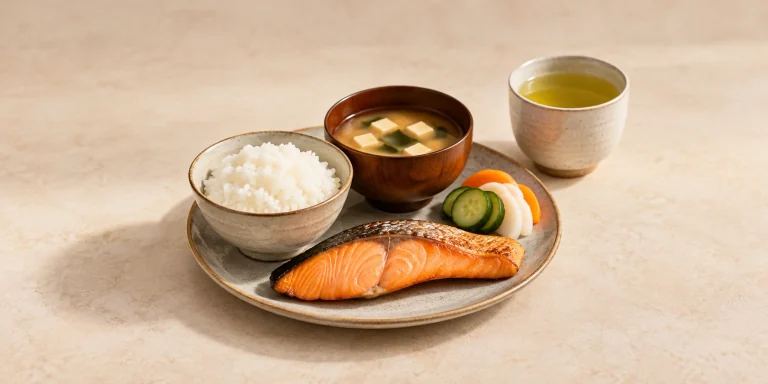
What to Eat with Genmaicha Tea
Genmaicha's toasted rice and nutty, popcorn-like aroma pair beautifully with savory Japanese dishes, light grains, and comforting snacks.
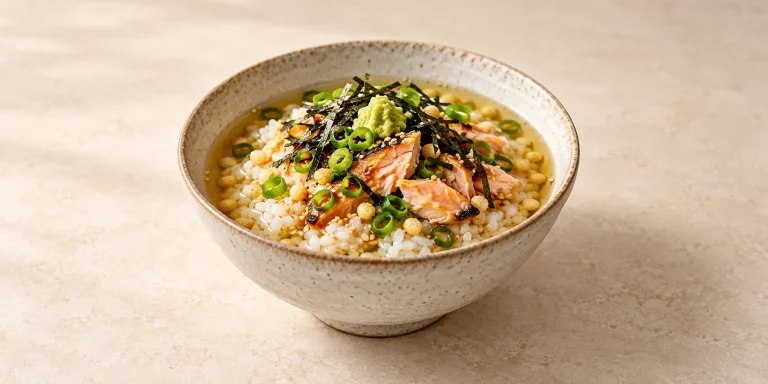
Genmaicha Ochazuke (Tea-Soaked Rice Bowl)
Steamed rice bathed in hot genmaicha broth with salmon, nori, and wasabi—a classic Japanese comfort dish elevated by the tea's toasted rice character.
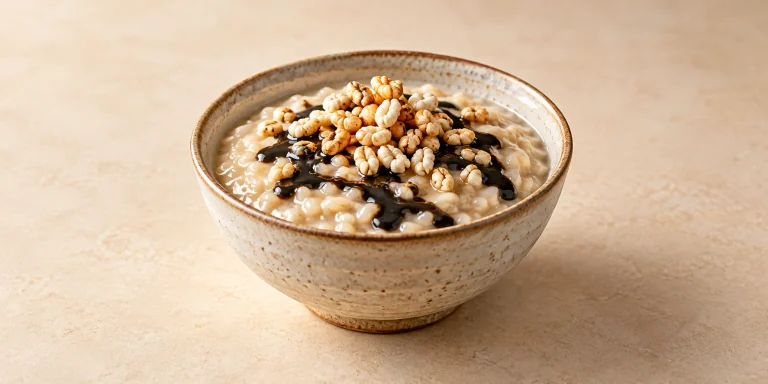
Genmaicha Toasted Rice Pudding
A creamy rice pudding infused with genmaicha tea, topped with caramelized puffed rice and a drizzle of black sesame—nutty, comforting, and entirely unique.
- Free
- Sundays
- 2 min
Drink better tea, one Sunday at a time.
A fact for the table·A shop worth the trip·A better cup·Ritual & kit of the week·Tea recipes & drinks
Drinks with this tea
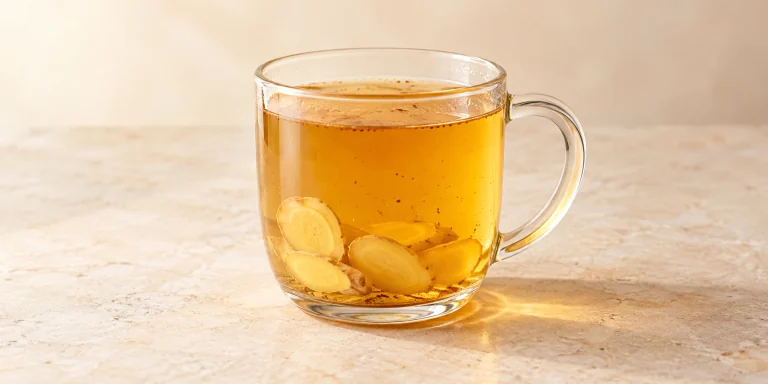
Genmaicha with Ginger, Lemon and Honey
Genmaicha's toasted rice warmth with fresh ginger, lemon, and honey—a warm, comforting cup for a cold afternoon.
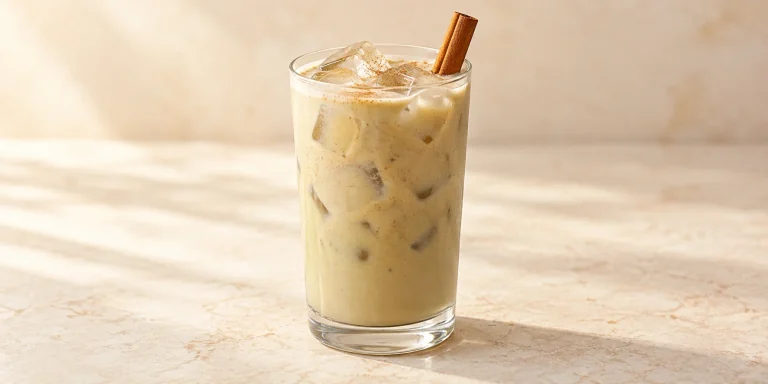
Iced Genmaicha Horchata
Cold-brewed genmaicha blended with rice milk, vanilla, and cinnamon—a Japanese-Mexican fusion that's creamy, nutty, and impossibly refreshing.

Genmaicha Whisky Highball
Japanese whisky meets genmaicha-infused soda in a nutty, toasty highball—minimalist, elegant, and unmistakably Japanese.