
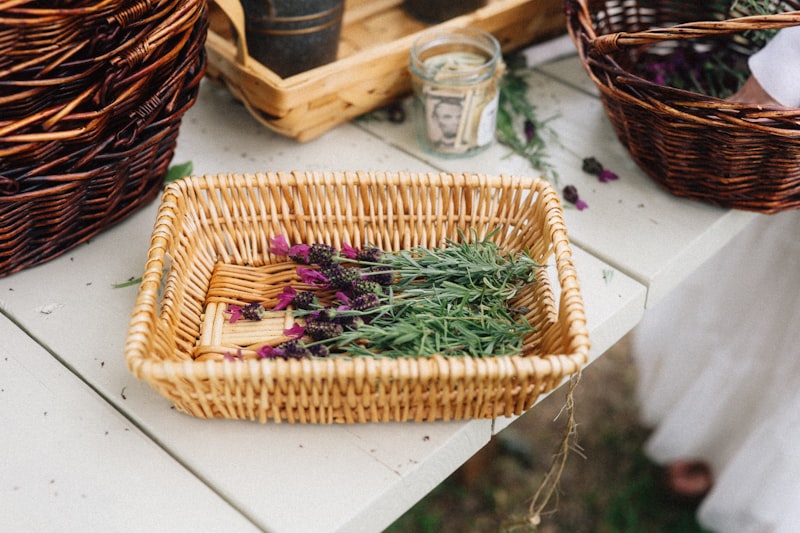
Chrysanthemum
Herbal infusion
4.4/5 · FindMeTea score
About this tea
Chrysanthemum tea (juhua cha) is a fragrant, caffeine-free herbal infusion made from the dried flower heads of Chrysanthemum morifolium, treasured across China for well over a thousand years. Its liquor is pale gold, with a floral, gently sweet aroma and a clean, cooling finish that feels light on the palate. In Chinese tradition it is regarded as a cooling herb, often sipped to balance warmth and bring a sense of calm at the end of the day. It is frequently paired with goji berries, whose ruby sweetness rounds out the flower's delicate character. Because chrysanthemum belongs to the daisy family (Asteraceae), those with ragweed or daisy allergies should approach it with care.
How to brew: 90°C, 4.5 min, 2 g per cup.
Caffeine
None
How to brew
Flavor notes
floral, lightly sweet, delicate, fresh
Often associated with
Calm, Gentle relaxation
Best time to enjoy
Afternoon, Evening, After a meal
Tags
Where to find it in United States
 Where to find it in United States
- This tea
99 Ranch Market
San Jose · Hostetter Road, North San Jose
Ten Ren Chrysanthemum Tea (box)
US$ 7.99· 1.1 oz
In storeOnline1688 Hostetter Road, San Jose, CA 95131Go to shop → - Other Herbal infusion
Harney & Sons
New York · SoHo (ships nationwide)
Chamomile, Egyptian flowers (loose, 1.5 oz tin)
US$ 6.60· 1.5 oz
In storeOnline433 Broome StreetGo to shop → - Other Herbal infusion
McNulty's Tea & Coffee
New York · Greenwich Village
Lavender (2 oz tin)
from US$ 13.95· 2 oz
In storeOnline109 Christopher StreetGo to shop → - Other Herbal infusion
Chado Tea Room
Los Angeles · Downtown (Little Tokyo) and Hollywood; also Pasadena, Torrance
Peppermint
US$ 14.38· 4 oz
In storeOnline369 East 1st StreetGo to shop → - Other Herbal infusion
Rishi Tea
Organic Ginger (loose, 1 lb)
US$ 30· 454 g
OnlineGo to shop →
Prices checked by us on Sep 6, 2026; they may change.
No shop pays to appear here — we list what we verified ourselves.
Know a shop that sells it? Tell usOrigin & Production
Chrysanthemum for tea is cultivated across central and eastern China, with the most celebrated varieties grown in Zhejiang (Hangbaiju from Hangzhou and Tongxiang) and Anhui (Gongju and Huangshan Gongju). The flowers thrive in temperate hill country with well-drained soils and cool autumn nights that concentrate their fragrance. Harvest takes place in late autumn, when the blooms are fully open but still firm and aromatic. Traditionally the flowers are small to medium yellow or white cultivars selected over generations specifically for brewing rather than for ornamental display.
Production process
Autumn harvest
Flower heads are hand-picked in late autumn when the petals are open and at peak fragrance, typically in the cool of the morning to preserve their volatile aromatics.
Steaming or withering
Depending on the regional style, the flowers are briefly steamed or gently withered. Steaming (common for Hangbaiju) sets their color and softens any bitterness, while withering preserves a lighter floral note.
Slow drying
The blooms are dried slowly in shade or with low ambient heat over several days, sometimes traditionally over charcoal embers, until the petals are crisp and the moisture is fully removed.
Sorting & grading
Dried flowers are sorted by size, intactness, and color. Whole, unbroken blooms with bright petals and tight centers are graded highest, while fragments are used for tea bags and blends.
Packing & storage
Graded flowers are packed in sealed, light-protected containers to guard against humidity and to preserve the delicate floral aroma, which fades if exposed to air and moisture.
History & Tradition
The chrysanthemum has been woven into Chinese culture for millennia, celebrated by poets and scholars and steeped as a cooling, calming infusion. Its journey from imperial gardens to everyday teacups mirrors the flower's place as a symbol of autumn, longevity, and quiet resilience.
Ancient cultivation
Chrysanthemums were cultivated in China as far back as the Shang and Zhou eras, first valued as a herb and food before becoming an ornamental and ceremonial flower.
Tea and poetry
During the Tang Dynasty (618–907), chrysanthemum infusions and chrysanthemum wine were enjoyed during the Double Ninth Festival, and the flower became a beloved subject of classical poetry and painting.
Cultivar boom
By the Song Dynasty (960–1279), Chinese horticulturists had developed dozens of distinct chrysanthemum cultivars, and the practice of brewing dried flowers as a cooling infusion was well established.
Medicinal records
Ming-era herbal compendia such as the Bencao Gangmu (1578) described chrysanthemum as a cooling herb, cementing its traditional reputation for clearing heat and soothing the eyes.
Regional specialties
Named regional grades such as Hangbaiju from Hangzhou and Gongju from Anhui became sought-after specialties, traded throughout China and exported to overseas Chinese communities.
Global wellness cup
Chrysanthemum tea, often paired with goji berries or rock sugar, became a familiar caffeine-free wellness drink in tea houses and homes worldwide, prized for its gentle, floral calm.
Health Benefits
Naturally caffeine-free
Made entirely from flowers rather than tea leaves, chrysanthemum contains no caffeine, making it a gentle choice for the evening or for anyone reducing their caffeine intake.
Cooling and calming
In Chinese tradition chrysanthemum is regarded as a cooling herb, valued for its soothing, settling quality. Many enjoy a warm cup to unwind and bring a sense of calm before rest.
Plant antioxidants
Chrysanthemum flowers naturally contain flavonoids and other plant compounds with antioxidant properties, part of what gives the infusion its place in traditional wellness routines.
After-meal comfort
A light, floral cup is often sipped after a meal in Chinese households for its refreshing, settling character, frequently alongside richer or warming dishes.
Restful ritual
Without caffeine to interrupt sleep, a warm cup of chrysanthemum makes a gentle wind-down ritual, its soft fragrance helping to signal the end of the day.
Grades & Varieties
Hangbaiju (white chrysanthemum)
Small white flowers from the Hangzhou region, typically steamed and dried. Hangbaiju brews a pale, delicate cup with a soft floral sweetness and is the classic choice for everyday cooling infusions.
Best for
- ✓Everyday cooling infusion
- ✓Pairing with goji berries
- ✓Evening wind-down
Gongju (tribute chrysanthemum)
Golden-yellow flowers historically presented as tribute, grown mainly in Anhui. Gongju yields a slightly sweeter, more aromatic cup with fuller floral body, prized for sipping on its own.
Best for
- ✓Sipping solo
- ✓Aromatic floral cup
- ✓Special occasions
Taiju / Huangju (large flower)
Larger yellow blooms with a bolder, more pronounced floral aroma. Often used in blends or brewed strong, this grade stands up well to goji, rock sugar, or longer steeping.
Best for
- ✓Blends with goji or rock sugar
- ✓Bolder floral flavor
- ✓Iced and cold-brew drinks
Did you know?
Chrysanthemum tea is traditionally paired with goji berries, whose ruby sweetness rounds out the flower's delicate floral character — a classic combination in Chinese tea culture.
Foods with this tea
What to Eat with Chrysanthemum Tea
Chrysanthemum's light, floral sweetness pairs beautifully with delicate dim sum, steamed dumplings, and gentle Cantonese dishes—a cooling counterpoint to warm, savory food.
Chrysanthemum and Goji Steamed Chicken
Tender chicken steamed over a fragrant chrysanthemum and goji broth with ginger and scallion—a light, cooling, home-style Chinese dish.
Chrysanthemum and Goji Jelly
A delicate, jewel-like jelly set from fragrant chrysanthemum tea and sweetened with rock sugar, studded with ruby goji berries—a cooling, caffeine-free Chinese-style dessert.
Drinks with this tea
Chrysanthemum and Goji Wellness Infusion
The classic Chinese pairing—fragrant chrysanthemum flowers steeped with sweet goji berries and a touch of rock sugar for a soothing, caffeine-free cup.
Iced Chrysanthemum Goji Cooler with Honey and Lime
Cold-brewed chrysanthemum and goji over ice, brightened with honey and a squeeze of lime—a floral, refreshing, caffeine-free summer drink.
Chrysanthemum Gin Blossom (with Mocktail Variant)
A floral, elegant cocktail of chrysanthemum-infused gin with honey and lemon—plus an easy alcohol-free mocktail version for everyone at the table.