
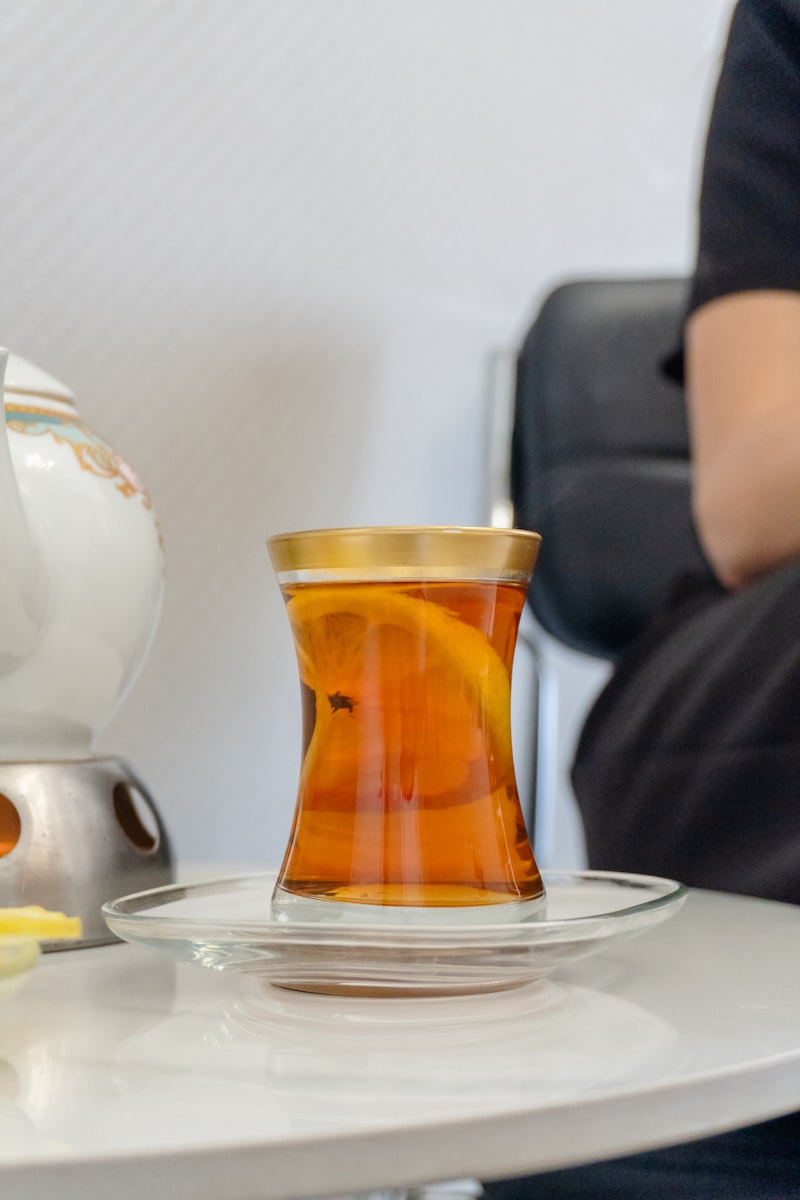
Peppermint
Herbal infusion
4.8/5 · FindMeTea score
About this tea
Peppermint (Mentha × piperita) is a naturally occurring hybrid of spearmint and watermint, prized as one of the world's most refreshing herbal tisanes — a caffeine-free infusion, not a true tea. Its signature cooling sensation comes from menthol, which can comprise up to 40% of its essential oil. Used medicinally for over 3,000 years, peppermint is cultivated commercially across the Pacific Northwest of the United States, the UK, and parts of India, making it one of the most versatile and widely consumed herbs on the planet.
How to brew: 95°C, 5 min, 2 g per cup.
Caffeine
None
How to brew
Flavor notes
minty, refreshing, fresh
Often associated with
Freshness, Digestive feeling
Best time to enjoy
Any time, After a meal
Tags
Where to find it in United States
 Where to find it in United States
- This tea
Chado Tea Room
Los Angeles · Downtown (Little Tokyo) and Hollywood; also Pasadena, Torrance
Peppermint
US$ 14.38· 4 oz
In storeOnline369 East 1st StreetGo to shop → - This tea
Satori Tea Company
American Peppermint
from US$ 18· 4 oz
OnlineGo to shop → - This tea
Eli Tea Bar
Chicago · Andersonville (Edgewater)
Oregon Mint
from US$ 10.50· 2 oz
In storeOnline5507 N Clark Street, Chicago, IL 60640Go to shop → - This tea
The Random Tea Room
Philadelphia · Northern Liberties
Peppermint
US$ 18· 6 oz
In storeOnline713 N 4th St, Philadelphia, PA 19123Go to shop → - Other Herbal infusion
Harney & Sons
New York · SoHo (ships nationwide)
Chamomile, Egyptian flowers (loose, 1.5 oz tin)
US$ 6.60· 1.5 oz
In storeOnline433 Broome StreetGo to shop →
Prices checked by us on Sep 6, 2026; they may change.
No shop pays to appear here — we list what we verified ourselves.
Know a shop that sells it? Tell usOrigin & Production
Peppermint is a sterile hybrid that does not occur in the wild — it propagates exclusively through runners and cuttings. The Willamette Valley in Oregon and the Yakima Valley in Washington produce the bulk of the world's premium peppermint oil. Historically, the Mitcham region of Surrey, England, set the global benchmark for peppermint quality — 'Mitcham peppermint' remains the gold standard cultivar name. India's Uttar Pradesh has become a major producer for the global essential oil market.
Production process
Propagation
Because peppermint is a sterile hybrid, it cannot be grown from seed. Farmers plant stolons (underground runners) or root cuttings in early spring, spacing them in rows across well-irrigated fields.
Growth & harvest
Plants reach full maturity in 60–90 days. Harvest occurs just before flowering, when menthol concentration peaks. The entire above-ground plant is cut 2–3 inches above the soil to allow regrowth.
Field drying (wilting)
Cut stems are left in windrows on the field for 1–2 days, reducing moisture content before processing. This wilting step concentrates the essential oils in the leaves.
Drying & processing
For tisane use, leaves are stripped from stems, dried at controlled temperatures (30–40°C) to preserve menthol and color, then cut and sieved to the desired leaf size.
History & Tradition
From ancient Egyptian tombs to Roman banquet halls to modern pharmacopeia, peppermint has been a cornerstone of herbal medicine for millennia — though the hybrid we know today was only formally identified in the 17th century.
Ancient Egyptian use
Dried mint leaves were found in Egyptian pyramids dating to 1550 BCE. The Ebers Papyrus lists mint as a remedy for stomach ailments and breath freshening.
Pliny the Elder documents mint
The Roman naturalist Pliny the Elder wrote in his Natural History that mint stimulates the appetite and that Romans crowned themselves with peppermint at feasts and adorned tables with it.
Peppermint identified as a hybrid
English botanist John Ray first described Mentha × piperita as a distinct hybrid in his Synopsis Methodica Stirpium Britannicarum, distinguishing it from spearmint and watermint.
Mitcham mint boom
The village of Mitcham in Surrey, England, became the world capital of peppermint cultivation. 'Mitcham peppermint' set the quality benchmark that persists to this day as the premier cultivar.
Clinical gastroenterology research
Multiple randomized controlled trials established peppermint oil capsules as an evidence-based treatment for IBS, now recommended in gastroenterology guidelines worldwide.
Health Benefits
Digestive relief
Menthol relaxes the smooth muscle of the gastrointestinal tract, reducing spasms. Peppermint oil capsules are now a first-line recommendation for Irritable Bowel Syndrome (IBS) symptoms.
Mental clarity & alertness
Research published in the International Journal of Neuroscience found that peppermint aroma enhances memory, alertness, and processing speed without the need for caffeine.
Headache & tension relief
A study in Cephalalgia demonstrated that topical peppermint oil (10% menthol) applied to the forehead was as effective as 1,000 mg of acetaminophen for tension-type headaches.
Respiratory support
Menthol activates cold-sensitive TRPM8 receptors in the nasal passages, creating a sensation of improved airflow. Inhaling peppermint steam helps clear congestion and soothe sore throats.
Antimicrobial properties
Menthol and menthone in peppermint oil show broad-spectrum antimicrobial activity against bacteria including E. coli and Staphylococcus aureus, supporting oral and gut health.
Nausea reduction
Peppermint aromatherapy has been shown in clinical trials to significantly reduce postoperative nausea, chemotherapy-induced nausea, and morning sickness symptoms.
Grades & Varieties
Whole-leaf peppermint
Premium dried whole leaves with minimal stem content, offering the fullest menthol flavor and aroma. The leaves retain their bright green color and produce a crisp, intensely cooling infusion.
Best for
- ✓Loose-leaf hot infusion
- ✓Iced peppermint tea
- ✓Gourmet herb blends
Spearmint (Mentha spicata)
The milder parent species of peppermint, with a sweeter, less intense flavor due to containing carvone instead of menthol. Popular in North African and Middle Eastern mint tea traditions (especially Moroccan mint tea with gunpowder green tea).
Best for
- ✓Moroccan-style mint tea
- ✓Children's herbal blends
- ✓Cooking & cocktails (mojito)
Peppermint tea bag cut
Finely cut peppermint leaves optimized for quick extraction in tea bags. Offers a strong, immediate menthol hit with a shorter steeping time, though with less complexity than whole-leaf preparations.
Best for
- ✓Quick after-meal digestive aid
- ✓Office & travel convenience
- ✓Iced tea in bulk
Did you know?
Peppermint is a natural hybrid of watermint and spearmint; in Greek myth, the nymph Minthe was turned into the plant and given a sweet, cooling scent by Hades.
Foods with this tea
What to Eat with Peppermint Tea
Peppermint's cool menthol punch pairs beautifully with fresh salads, dark chocolate, and Mediterranean flavors—light foods that let the mint shine.
Peppermint Tea–Marinated Halloumi Salad
Halloumi marinated in peppermint tea, grilled until golden, and served over a vibrant cucumber-tomato salad with a mint-lemon dressing.
Peppermint Tea Dark Chocolate Mousse
A velvety dark chocolate mousse infused with peppermint tea—intensely chocolatey, naturally minty, and surprisingly light.
Drinks with this tea

Peppermint Ginger Digestive Tonic
A soothing caffeine-free tonic combining peppermint's cooling menthol with fresh ginger's warmth—the ultimate digestive reset.
Iced Peppermint Lemonade Tea
Cold-brewed peppermint tea meets fresh lemonade for a caffeine-free cooler that's wildly refreshing and ridiculously easy to make.
Peppermint Tea Mojito
A tea-twist on the classic mojito—peppermint tea replaces muddled mint for a cleaner, more complex mint flavor with white rum and lime.