
Phoenix Dan Cong
Oolong tea
4.7/5 · FindMeTea score
About this tea
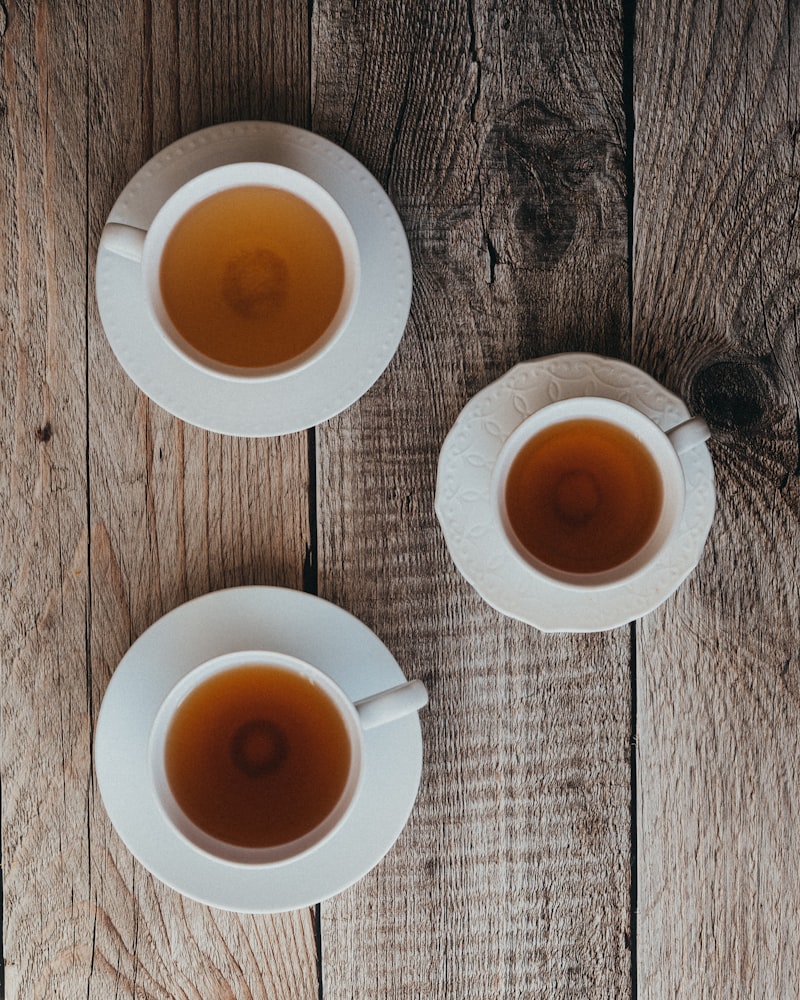
Phoenix Dan Cong (Fenghuang Dan Cong) is a celebrated family of strip-style oolongs from Phoenix Mountain (Fenghuang Shan) in Chaozhou, Guangdong, famous above all for its ability to mimic the perfume of flowers and fruits without any additives. 'Dan Cong' literally means 'single bush', a historical reference to teas once made from the leaves of a single, exceptional tree. Skilled withering, repeated shaking, partial oxidation around 30–60% and a careful charcoal roast yield a long-lasting, layered cup, with named aromatic types such as Honey Orchid (Mi Lan Xiang), Almond (Xing Ren Xiang) and Osmanthus (Gui Hua Xiang). The tea has a clear yellow-amber liquor, a soft, sometimes slightly astringent body, and a long, sweet huigan (returning sweetness) on the throat.
How to brew: 95°C, 2.5 min, 3 g per cup.
Caffeine
Medium
How to brew
Flavor notes
floral, fruity, honeyed
Often associated with
Focus, Balance
Best time to enjoy
Mid-morning, Early afternoon, After a meal
Tags
Where to find it in United States
 Where to find it in United States
- This tea
Spirit Tea
Honey Orchid (Dan Cong)
from US$ 22· 50 g
OnlineGo to shop → - Other Oolong tea
Harney & Sons
New York · SoHo (ships nationwide)
Milky Oolong (loose, 3 oz tin)
from US$ 14· 3 oz
In storeOnline433 Broome StreetGo to shop → - Other Oolong tea
McNulty's Tea & Coffee
New York · Greenwich Village
Tung Ting Extra Fancy Formosa Oolong
from US$ 27.50· 4 oz
In storeOnline109 Christopher StreetGo to shop → - Other Oolong tea
Chado Tea Room
Los Angeles · Downtown (Little Tokyo) and Hollywood; also Pasadena, Torrance
Champagne Tieguanyin
US$ 37.50· 4 oz
In storeOnline369 East 1st StreetGo to shop → - Other Oolong tea
Tea and Whisk
Las Vegas · Chinatown (Spring Mountain Rd)
Dark Roast Iron Goddess Oolong
from US$ 13.50· 2 oz
In storeOnline6288 Spring Mountain Rd, Ste 110Go to shop →
Prices checked by us on Sep 5, 2026; they may change.
No shop pays to appear here — we list what we verified ourselves.
Know a shop that sells it? Tell usOrigin & Production
Phoenix Dan Cong is grown almost exclusively on the slopes of Phoenix Mountain in Chaozhou, eastern Guangdong, with the most prized gardens on Wudong Shan at roughly 1,000–1,500 meters elevation. The area's granite-based soils, near-constant mist, cool nights, and steep, sun-protected slopes are credited with shaping the bushes' famously aromatic leaves. Lower-elevation Phoenix townships such as Fenghuang and Wenjia produce more accessible Dan Cong, while truly old, single-trunk trees — some several hundred years old — are concentrated on the Wudong ridge and command very high prices.
Production process
Hand-picking mature leaves
Pickers select a bud with three or four mature leaves, usually in mid- to late spring. Mature material rather than young buds is essential to the body, mineral feel, and pronounced aroma associated with Dan Cong style.
Solar and indoor withering
Fresh leaves are spread in thin layers in sunlight for a short time, then moved indoors onto bamboo mats. This combined withering reduces moisture and begins triggering the volatile aroma compounds that define each fragrance type.
Shaking and rest cycles (zuoqing)
Withered leaves are gently shaken in bamboo trays and then rested for one to several hours, in repeated cycles overnight. The bruising of the leaf edges drives a controlled partial oxidation of about 30–60%, which is what shapes the floral and fruity aroma signatures.
Kill-green (sha qing)
When the maker judges the aroma to be at its peak, the leaves are heated quickly in a hot wok or rotary dryer to deactivate the oxidative enzymes. This locks in the fragrance and prepares the leaf for shaping.
Rolling and shaping
Unlike ball-rolled oolongs from Anxi or Taiwan, Dan Cong is rolled into long, lightly twisted strips. The dark, slender leaves keep volatile aromatics on the surface and allow the tea to be brewed repeatedly without losing complexity.
Charcoal roasting and resting
The final roast — historically over charcoal in bamboo baskets — can be light or repeated several times for higher-grade lots. A rest of weeks or months follows so the 'fire' settles, after which the named aroma type (Mi Lan Xiang, Xing Ren Xiang and others) emerges clearly.
History & Tradition
Dan Cong is one of the oldest oolong traditions in China, growing out of the tea culture of the Chaoshan region and tied closely to the development of gongfu cha — the small-pot brewing style that turned this perfumed tea into a daily ritual.
Early Phoenix tea
Tea cultivation on Phoenix Mountain is traditionally said to date back to the late Song dynasty, with local lore tying it to the southward flight of the last Song court. The local 'Niao Zui' ('bird beak') tea bush is regarded as an ancestor of modern Dan Cong cultivars.
Single-bush selection
Over centuries, farmers identified individual outstanding trees on Wudong and other ridges and propagated them. Teas made from the leaves of a single such tree became known as 'Dan Cong' — single bush — establishing the practice that gives the family its name.
Gongfu cha and aroma typing
In Chaoshan and the surrounding Teochew diaspora, Dan Cong became the favored tea for gongfu cha — small clay pots, many short infusions. Producers began naming and selecting cultivars by the aromas they evoked: orchid, honey-orchid, osmanthus, almond, ginger flower and others.
Mi Lan Xiang named
Local records date the formal naming of Mi Lan Xiang ('honey orchid fragrance'), the most popular Dan Cong aroma type today, to the mid-twentieth century, after the cultivar's characteristic honeyed-orchid scent was singled out from broader 'Huang Zhi Xiang' selections.
Old-tree Dan Cong boom
Demand for 'lao cong' (old tree) Dan Cong from centuries-old Wudong trees rose sharply on the Chinese mainland and internationally, pushing top-tier prices to extreme levels and prompting protective measures around the most famous old trees on Phoenix Mountain.
Health Benefits
Calm, sustained focus
Like other Chinese oolongs, Dan Cong combines moderate caffeine with L-theanine, supporting a relaxed but attentive state often described in gongfu sessions as long, even cha qi rather than a sharp lift.
Broad polyphenol profile
Partial oxidation gives Dan Cong a mixture of green-tea catechins (such as EGCG) and oxidized polyphenols (theaflavins and thearubigins), all studied for antioxidant activity in general oolong research.
Heart-friendly habit
Population studies have linked regular oolong consumption with healthier blood pressure and lipid profiles, especially when oolong replaces sweetened drinks in the daily diet.
After-meal companion
In Chaoshan, gongfu-brewed Dan Cong is a classic accompaniment to rich seafood and braised dishes. Its roast and partial oxidation give a sensation of cutting through heaviness — a traditional reason to drink it after meals.
Low-sugar aroma fix
Because Dan Cong delivers intense fruit, flower, and honey aromas without any added flavoring, it can satisfy a craving for sweet, perfumed drinks without sugar or syrups, supporting a habit of unsweetened tea.
Grades & Varieties
Mi Lan Xiang (Honey Orchid)
The most widely produced and popular Dan Cong aroma type. The cup is honeyed and floral with a clear orchid lift, ripe stone-fruit sweetness, and a long throaty huigan. Medium roast lots are the easiest entry point to the category.
Best for
- ✓Gongfu brewing
- ✓Introduction to Dan Cong
- ✓Pairing with rich food
Other named aroma types (Xing Ren, Gui Hua, Ya Shi…)
Phoenix farmers recognize many named aroma types, each tied to specific cultivars: Almond (Xing Ren Xiang), Osmanthus (Gui Hua Xiang), Ginger Flower (Jiang Hua Xiang), Duck Shit (Ya Shi Xiang) and more. They share the Dan Cong backbone — twisted leaf, partial oxidation, charcoal roast — but show distinct headline aromas.
Best for
- ✓Comparative tastings
- ✓Aroma exploration
- ✓Gongfu sessions
Lao Cong / Old-tree Dan Cong (Wudong)
Tea from old, single-trunk trees on Wudong Shan and other top ridges of Phoenix Mountain, often a century old or more. The cup is deeper, more mineral, and longer-lasting, with a heavy, almost resinous mouthfeel and an exceptional huigan. The most expensive grade of the family.
Best for
- ✓Contemplative gongfu
- ✓Special occasions
- ✓Tea collectors
Did you know?
Phoenix Dan Cong literally means "single bush": traditionally each batch came from one outstanding tree, and Phoenix farmers have catalogued more than 80 named aroma types, from Honey Orchid (Mi Lan Xiang) to the cheekily named Duck Shit (Ya Shi Xiang).
Foods with this tea
What to Eat with Phoenix Dan Cong Oolong
Phoenix Dan Cong's honeyed orchid and ripe stone-fruit aroma pairs beautifully with Cantonese roast meats, light dim sum, and lychee-scented desserts.
Dan Cong Tea-Glazed Char Siu Pork
Char siu pork glazed with a honey-orchid Dan Cong reduction—deeply Cantonese, glossy, and aromatic from the first slice to the last.
Dan Cong Honey-Orchid Almond Cookies
Crisp Cantonese almond cookies brushed with Dan Cong honey glaze—buttery, floral, and the perfect partner to a gongfu cup.
Drinks with this tea

Honey Orchid Dan Cong Wellness Tonic
Phoenix Dan Cong's honey-orchid aromatics meet osmanthus and raw honey in a fragrant tonic that calms the mind and lifts the senses.
Iced Peach-Aroma Dan Cong Gongfu Cooler
Multiple short gongfu infusions of Dan Cong poured straight over ice with fresh peach—a fragrant, layered iced tea that captures every note of this aromatic oolong.
Phoenix Floral Gin Cocktail
Gin shaken with Dan Cong cold brew, honey, and lemon—a botanical, aromatic cocktail where Phoenix Mountain orchid meets juniper in elegant harmony.