
Matcha
Matcha
4.9/5 · FindMeTea score
About this tea
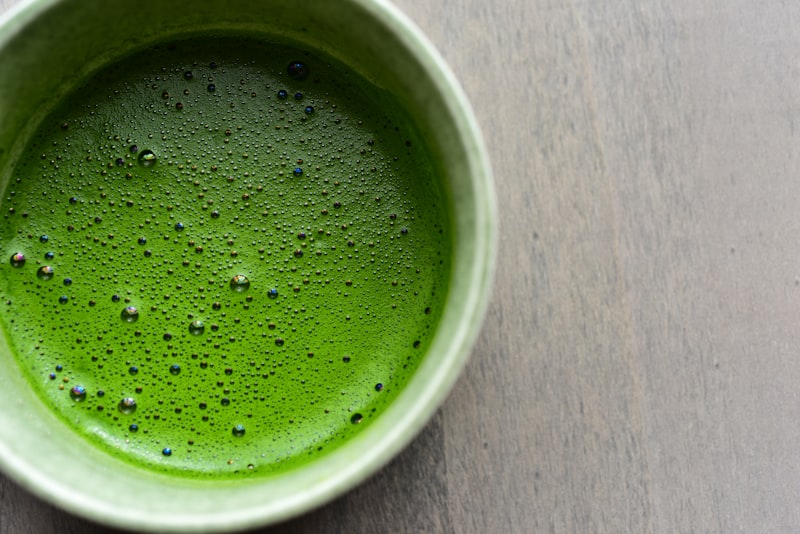
Matcha is a finely stone-ground Japanese green tea made from shade-grown tencha leaves, prized for its vibrant emerald color, rich umami flavor, and unique combination of sustained energy with calm focus. Unlike other teas where leaves are steeped and discarded, matcha is whisked directly into water — meaning you consume the entire leaf and all its nutrients. Rooted in centuries of Zen Buddhist tradition and Japanese tea ceremony, matcha has become one of the world's most sought-after teas for mindful energy and wellness.
How to brew: 75°C, 30s, 2 g per cup.
Caffeine
High
How to brew
Flavor notes
vegetal, sweet, umami
Often associated with
Sustained energy, Calm alertness
Best time to enjoy
Morning, Mid-morning
Tags
Where to find it in United States
 Where to find it in United States
- This tea
Harney & Sons
New York · SoHo (ships nationwide)
Organic Ceremonial Grade Matcha (30 g tin)
US$ 18.95· 30 g
In storeOnline433 Broome StreetGo to shop → - This tea
McNulty's Tea & Coffee
New York · Greenwich Village
Matcha (4 oz bag)
from US$ 27.50· 4 oz
In storeOnline109 Christopher StreetGo to shop → - This tea
Chado Tea Room
Los Angeles · Downtown (Little Tokyo) and Hollywood; also Pasadena, Torrance
Ceremonial Matcha (30 g)
US$ 45· 30 g
In storeOnline369 East 1st StreetGo to shop → - This tea
Tea and Whisk
Las Vegas · Chinatown (Spring Mountain Rd)
Organic Imperial Matcha
from US$ 16.15· 1 oz
In storeOnline6288 Spring Mountain Rd, Ste 110Go to shop → - This tea
Satori Tea Company
Matcha, Uji
from US$ 48· 1/4 lb pack
OnlineGo to shop →
Prices checked by us on Sep 6, 2026; they may change.
No shop pays to appear here — we list what we verified ourselves.
Know a shop that sells it? Tell usOrigin & Production
Matcha originates from Japan, where it has been cultivated for over 800 years. The finest matcha comes from Uji in Kyoto Prefecture — a region with the ideal combination of misty mountains, rich soil, and temperature variation. Nishio in Aichi Prefecture produces the largest volume, while Kagoshima in southern Japan is a rising star thanks to its volcanic soil.
Production process
Shade-growing
Tea bushes are covered with bamboo mats or dark nets 20–30 days before harvest, boosting chlorophyll and L-theanine while reducing bitterness.
Harvest & steaming
Only the youngest, most tender leaves are hand-picked, then immediately steamed to halt oxidation and lock in the bright green color.
Drying to tencha
Steamed leaves are dried flat (not rolled like sencha), then stems and veins are removed — the resulting flat leaf fragments are called tencha.
Stone-grinding
Tencha is slowly ground between granite stone mills at about 40g per hour. This slow process prevents heat damage and produces the ultra-fine, silky powder.
History & Tradition
Matcha's journey spans over a thousand years, from Chinese Buddhist monasteries to the heart of Japanese culture — and now to cafés around the world.
Song Dynasty China
Chinese monks begin grinding tea leaves into powder and whisking them with hot water — the earliest form of matcha.
Eisai brings tea to Japan
Zen monk Eisai returns from China with tea seeds and the powdered tea method, planting them at temples in Kyoto and writing Japan's first tea treatise.
Zen monks & meditation
Matcha becomes central to Zen Buddhist practice — monks drink it to sustain calm alertness during long meditation sessions.
Sen no Rikyū & tea ceremony
Tea master Sen no Rikyū codifies the Japanese tea ceremony (chanoyu), elevating matcha into an art form centered on harmony, respect, purity, and tranquility.
Global matcha boom
Matcha goes worldwide — embraced by health-conscious consumers, specialty coffee shops, and the wellness industry for its unique combination of energy and calm.
Health Benefits
Calm focus
L-theanine promotes alpha brain waves, producing a state of relaxed alertness without the jittery edge of coffee.
Antioxidant powerhouse
One cup of matcha delivers up to roughly 3× more EGCG than a steeped green tea, because you consume the whole leaf — catechins that help protect cells from oxidative stress.
Sustained energy
L-theanine softens how caffeine's stimulation is perceived, giving a more stable alertness without the crash.
Rich in chlorophyll
Shade-growing floods the leaves with chlorophyll, giving matcha its deep, vibrant green color.
Heart health
Regular green tea catechin intake is associated with lower LDL cholesterol and improved cardiovascular markers.
Metabolism support
EGCG and caffeine together have been shown to enhance thermogenesis and support fat oxidation during exercise.
Grades & Varieties
Ceremonial grade
Made from the youngest spring leaves (first harvest), stone-ground to an ultra-fine powder. Vibrant emerald green with a naturally sweet, umami-rich flavor and zero bitterness.
Best for
- ✓Traditional tea ceremony
- ✓Whisked with water (usucha / koicha)
- ✓Drinking straight
Culinary grade
Made from later harvests with more robust flavor. Slightly more astringent and darker green — designed to hold its own when mixed with milk, sugar, or baked into recipes.
Best for
- ✓Matcha lattes
- ✓Smoothies & shakes
- ✓Baking & cooking
Did you know?
Matcha is the world's only "suspension tea"—you whisk the powder into water and drink it immediately; Zen monks used it to stay alert during meditation in the 11th century.
Foods with this tea

What to Eat with Matcha Tea
Matcha's rich umami depth and creamy sweetness pair beautifully with both delicate Japanese flavors and bold Western treats—from mochi to dark chocolate.
Matcha Soba Noodles with Sesame Dipping Sauce
Cold soba noodles tossed with matcha and served with a rich sesame-soy dipping sauce—earthy, umami-packed, and refreshingly light.
Matcha White Chocolate Truffles
Creamy white chocolate truffles infused with ceremonial matcha—vibrant green, melt-in-your-mouth, and impossible to eat just one.
Drinks with this tea

Matcha Collagen Morning Elixir
Ceremonial matcha whisked with collagen peptides, oat milk, and a touch of honey—a vibrant green morning ritual that energizes without the jitters.
Iced Matcha Lemonade
Bright, citrusy, and impossibly refreshing—matcha meets fresh lemon juice over ice for a vibrant green summer drink that's sweet, tart, and earthy.
Matcha Gin Sour
A vivid green cocktail shaking matcha with gin, lime, and egg white into a frothy, botanical masterpiece that's as beautiful as it is balanced.