
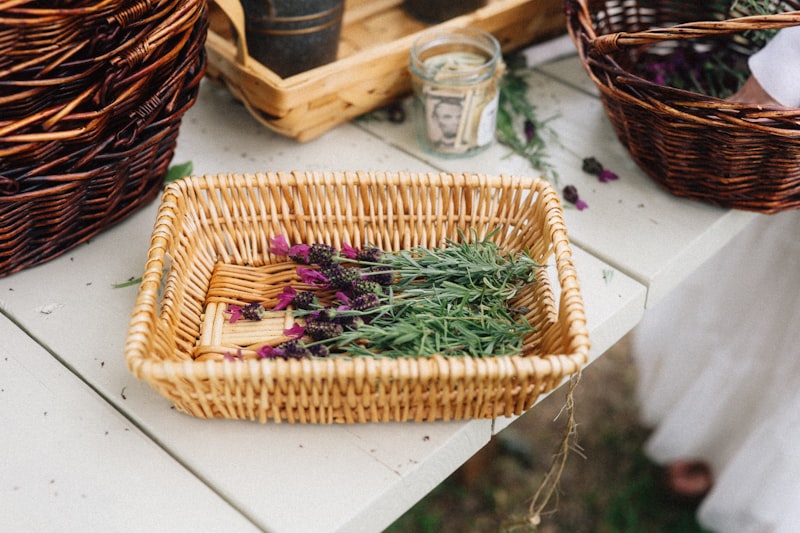
Lavender
Herbal infusion
4.5/5 · FindMeTea score
About this tea
Lavender (Lavandula angustifolia), commonly known as English or true lavender, produces one of the most elegantly fragrant herbal tisanes in the world — a caffeine-free infusion, not a true tea. Its signature floral aroma and calming properties come from linalool and linalyl acetate, two terpenes that together comprise over 70% of its essential oil. Cultivated for over 2,500 years across the Mediterranean basin, lavender has been used by ancient Romans, medieval monks, and modern aromatherapists as a premier herb for relaxation, sleep, and emotional balance.
How to brew: 95°C, 5 min, 2 g per cup.
Caffeine
None
How to brew
Flavor notes
floral, relaxing, aromatic
Often associated with
Relaxation, Calm
Best time to enjoy
Evening, Mid-afternoon
Tags
Where to find it in United States
 Where to find it in United States
- This tea
McNulty's Tea & Coffee
New York · Greenwich Village
Lavender (2 oz tin)
from US$ 13.95· 2 oz
In storeOnline109 Christopher StreetGo to shop → - This tea
The Random Tea Room
Philadelphia · Northern Liberties
Lavender
US$ 18· 6 oz
In storeOnline713 N 4th St, Philadelphia, PA 19123Go to shop → - Other Herbal infusion
Harney & Sons
New York · SoHo (ships nationwide)
Chamomile, Egyptian flowers (loose, 1.5 oz tin)
US$ 6.60· 1.5 oz
In storeOnline433 Broome StreetGo to shop → - Other Herbal infusion
Chado Tea Room
Los Angeles · Downtown (Little Tokyo) and Hollywood; also Pasadena, Torrance
Peppermint
US$ 14.38· 4 oz
In storeOnline369 East 1st StreetGo to shop → - Other Herbal infusion
Rishi Tea
Organic Ginger (loose, 1 lb)
US$ 30· 454 g
OnlineGo to shop →
Prices checked by us on Sep 6, 2026; they may change.
No shop pays to appear here — we list what we verified ourselves.
Know a shop that sells it? Tell usOrigin & Production
Lavender is native to the western Mediterranean, from the Canary Islands through southern France to the Balkans. Provence in southeastern France has been the spiritual home of lavender for centuries — its high-altitude plateaus (700–1,400m) produce the most prized Lavandula angustifolia. Bulgaria has become the world's largest producer of lavender essential oil, particularly around the Rose Valley near Kazanlak. England's Norfolk lavender fields, dating to the 1930s, produce a distinctive, delicate variety suited to the cooler maritime climate.
Production process
Cultivation
True lavender (L. angustifolia) thrives in poor, rocky, alkaline soil with excellent drainage and full sun — conditions found naturally on the limestone plateaus of Provence. Plants are typically propagated from cuttings rather than seed for varietal consistency.
Harvest timing
Flowers are harvested in mid-summer (July–August in the Northern Hemisphere) when approximately two-thirds of the flower spike has opened — the moment of peak linalool and linalyl acetate concentration.
Cutting & bundling
Stems are cut about 10 cm below the flower heads, bundled, and either taken directly for distillation (for essential oil) or hung upside down in dark, ventilated rooms for drying (for tisane and culinary use).
Bud separation & grading
For tisane production, the tiny dried flower buds are stripped from the stems by hand or with gentle threshing. The buds are sieved to remove dust and stems, then graded by color intensity (deep purple commands a premium) and aroma strength.
History & Tradition
Lavender's story stretches from the bathing houses of ancient Rome to the plague-ravaged streets of medieval Europe, the perfume capital of Grasse, and modern neuroscience laboratories studying its effects on the brain.
Roman bathing & the origin of the name
The Romans used lavender extensively in their public baths — the name comes from the Latin 'lavare,' meaning 'to wash.' Pliny the Elder documented its use for insect bites, stomachaches, and kidney disorders.
Hildegard von Bingen's herbal
German Benedictine abbess Hildegard von Bingen, a pioneering herbalist, wrote extensively about lavender's properties for maintaining clear thinking and 'pure knowledge' in her medical texts Physica and Causae et Curae.
Great Plague of London
During the plague, glove-makers in Grasse, France, who scented their leather with lavender were believed to have lower infection rates. Londoners tied bundles of lavender around their wrists as protection.
René-Maurice Gattefossé & modern aromatherapy
French chemist René-Maurice Gattefossé burned his hand in a laboratory accident and plunged it into pure lavender oil, discovering its remarkable healing properties. He later coined the term 'aromathérapie' and published the foundational text of the field in 1937.
Silexan clinical approval in Europe
Silexan, an oral lavender oil preparation standardized for linalool content, received approval in Germany for treating anxiety disorders — one of the first herbal remedies to pass rigorous pharmaceutical-grade clinical trials.
Health Benefits
Anxiety & stress reduction
Linalool modulates GABA-A receptor activity in the brain, producing anxiolytic effects comparable to low-dose benzodiazepines without sedation or dependency risk, as shown in the Silexan clinical trials.
Sleep quality improvement
A systematic review in the Journal of Alternative and Complementary Medicine found that lavender aromatherapy significantly improved sleep quality scores (Pittsburgh Sleep Quality Index) across 15 clinical studies.
Anti-inflammatory & analgesic
Linalyl acetate inhibits inflammatory cytokine production (TNF-α, IL-6). Clinical studies show lavender oil massage reduces pain intensity in conditions from menstrual cramps to post-surgical recovery.
Antioxidant protection
Lavender contains rosmarinic acid, a potent polyphenol antioxidant that scavenges free radicals and protects cells from oxidative damage, supporting overall cellular health.
Mood elevation
Inhalation of linalool has been shown to increase serotonin and dopamine levels in animal models, and human trials report improved mood and emotional well-being after lavender aromatherapy.
Antimicrobial activity
Lavender essential oil demonstrates significant antibacterial activity against MRSA (methicillin-resistant Staphylococcus aureus) and antifungal properties against Candida species, supporting skin and respiratory health.
Grades & Varieties
True lavender (Lavandula angustifolia)
The most prized species for tisane and aromatherapy. Grown at higher altitudes (700–1,400m), it has a sweet, complex floral profile with no camphor notes. The dried buds produce a delicate, honey-like infusion with the highest linalool content.
Best for
- ✓Evening calming tisane
- ✓Standalone sipping — pure floral flavor
- ✓Blending with chamomile for sleep
Lavandin (Lavandula × intermedia)
A sterile hybrid of true lavender and spike lavender, producing higher yields and more essential oil but with a sharper, more camphor-forward aroma. More affordable and widely available, though less suitable for delicate tisanes.
Best for
- ✓Scented sachets & potpourri
- ✓Budget-friendly cooking lavender
- ✓Blending with stronger herbs (rosemary, mint)
Culinary lavender buds
Food-grade Lavandula angustifolia buds specifically dried and processed for culinary use — free from pesticides and optimized for flavor. Adds a subtle floral sweetness to baked goods, syrups, and gourmet tea blends.
Best for
- ✓Lavender lemonade & syrups
- ✓Baking (scones, shortbread, crème brûlée)
- ✓Earl Grey lavender blends
Did you know?
The color "lavender" is named after the flower; the plant is native to the Mediterranean and belongs to the mint family.
Foods with this tea
What to Eat with Lavender Tea
Lavender's floral, slightly sweet perfume pairs beautifully with light pastries, soft cheeses, and honey-kissed dishes that let its aroma shine.
Lavender-Honey Glazed Chicken with Roasted Vegetables
Tender chicken thighs glazed with a lavender-honey reduction, served over roasted root vegetables for an aromatic, comforting dinner.
Lavender Crème Brûlée
A classic crème brûlée infused with dried lavender—silky, floral, and topped with a satisfying crack of caramelized sugar.
Drinks with this tea
Lavender Chamomile Sleep Tonic
A calming bedtime blend of lavender tea, chamomile, and warm honey that soothes the mind and eases you into restful sleep.
Iced Lavender Lemonade Tea
Cold-brewed lavender tea meets fresh lemonade for a floral, refreshing summer drink with a gorgeous purple tint.
Lavender Gin Fizz
A sophisticated gin fizz with lavender-infused syrup, fresh lemon, and fizzy soda—fragrant, balanced, and irresistibly purple.