
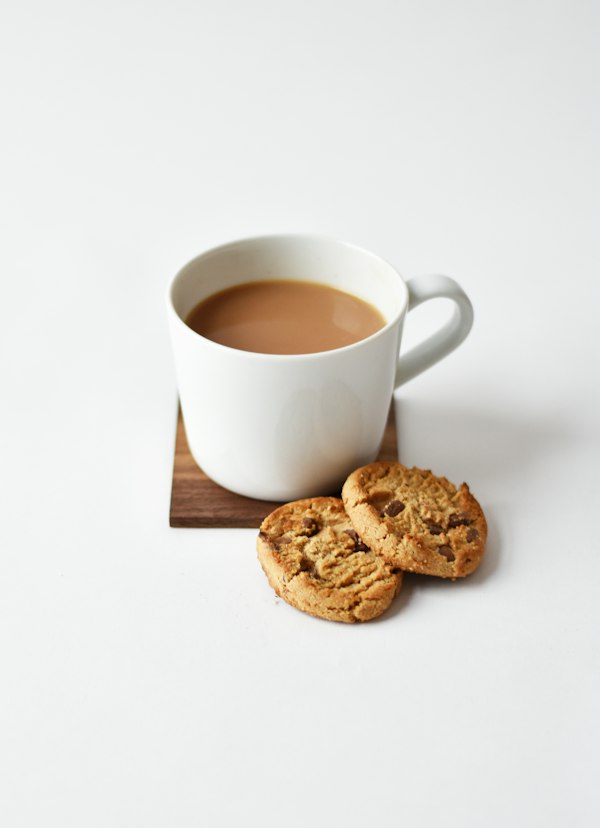
Bancha
Green tea
4.4/5 · FindMeTea score
About this tea
Bancha is the everyday green tea of Japan — the cup a household reaches for without thinking twice, brewed multiple times a day and served to family and guests alike. Unlike sencha, which is prized for its tender spring-picked leaves, bancha is made from the coarser, more mature leaves and stems harvested later in the season, after the prized first and second flushes have already been taken for finer teas. This later harvest gives bancha a mild, lightly grassy, faintly sweet flavor with very little astringency, and — because mature leaves contain less caffeine and tannin than young spring shoots — a noticeably gentle, low-caffeine cup. It is the tea of ordinary moments: alongside rice at dinner, after a meal to settle the stomach, or in the evening when something warm and undemanding is wanted. Inexpensive, abundant, and unpretentious, bancha is less about ceremony and more about everyday comfort.
How to brew: 80°C, 1 min, 3 g per cup.
Caffeine
Low
How to brew
Flavor notes
smooth, vegetal, mineral, lightly sweet
Often associated with
Gentle relaxation, Digestive comfort
Best time to enjoy
After a meal, Afternoon, Evening
Tags
Where to find it in United States
 Where to find it in United States
- Other Green tea
Harney & Sons
New York · SoHo (ships nationwide)
Japanese Sencha (loose, 4 oz tin)
US$ 15· 4 oz
In storeOnline433 Broome StreetGo to shop → - Other Green tea
McNulty's Tea & Coffee
New York · Greenwich Village
Sencha Premium Grade
from US$ 15· 4 oz
In storeOnline109 Christopher StreetGo to shop → - Other Green tea
Chado Tea Room
Los Angeles · Downtown (Little Tokyo) and Hollywood; also Pasadena, Torrance
Lung Ching (Dragon Well)
US$ 16.38· 4 oz
In storeOnline369 East 1st StreetGo to shop → - Other Green tea
Tea and Whisk
Las Vegas · Chinatown (Spring Mountain Rd)
Yame Organic Sencha
US$ 18· 2 oz
In storeOnline6288 Spring Mountain Rd, Ste 110Go to shop → - Other Green tea
Rishi Tea
Organic Sencha (loose leaf)
US$ 37· 100 g
OnlineGo to shop →
Prices checked by us on Sep 5, 2026; they may change.
No shop pays to appear here — we list what we verified ourselves.
Know a shop that sells it? Tell usOrigin & Production
Bancha is produced wherever sencha and other Japanese green teas are grown, since it is essentially the later, coarser harvest of the same tea bushes (Camellia sinensis var. sinensis) rather than a separate cultivar. After the prized first flush (ichibancha) in spring and the second flush (nibancha) in early summer are picked for sencha and gyokuro, the third and sometimes fourth flushes — picked from summer into autumn — are designated bancha. The leaves at this stage are larger, tougher, and more fibrous, and the bushes are often left to grow more before pruning, which naturally reduces the concentration of caffeine and the amino acid theanine compared with delicate spring buds. Regional variations exist — Kyoto's hojicha-style roasted bancha and Shizuoka's standard green bancha are both common — but the defining trait everywhere is the same: this is the practical, high-yield tea meant for daily drinking, not display.
Production process
Late-season harvest
Leaves are picked from the third flush onward, from midsummer into autumn, well after the tender spring buds used for sencha have already been harvested. Mature leaves, and sometimes small stems, are included.
Steaming
As with most Japanese greens, the leaves are steamed briefly right after picking to halt oxidation and lock in their color — though bancha leaves, being tougher, often need a slightly longer steam than sencha.
Rolling and drying
The steamed leaves are rolled to shape and break down their fibrous structure, then dried. Because the leaves are coarser, bancha often ends up flatter and less needle-like than premium sencha.
Sorting and grading
Leaves and any included stems are sorted by size. Lower grades and byproducts of sencha processing are also sometimes blended in, which is part of why bancha is sold at a fraction of the price of spring teas.
Packaging for daily use
Bancha is typically packaged in large, economical bags rather than the small premium tins used for ceremonial-grade teas, reflecting its role as the household, everyday-drinking tea of Japan.
History & Tradition
Bancha's story is less about prestige and more about practicality — it is the tea that has quietly fed daily life in Japan for centuries, even as finer teas captured ceremonial and commercial attention.
Tea culture takes root in Japan
The monk Eisai brought tea seeds and Chinese tea-drinking customs back to Japan, planting the seeds — literally and culturally — for the wide range of Japanese teas, from the most refined to the most everyday, that would later develop.
Tea becomes a household staple
As tea cultivation spread beyond temples and the elite into ordinary villages during the Edo period, lower-grade, later-harvested leaves — what we now call bancha — became the practical, affordable tea of farming households, distinct from the refined teas reserved for the upper classes and tea ceremony.
Steaming method standardized
Nagatani Sōen developed the sencha-style steaming and rolling process that came to define most Japanese green tea production, including the later-harvest leaves that would be sold as bancha.
Regional bancha traditions emerge
Distinct regional styles of bancha developed across Japan, including roasted and sun-dried variants in different prefectures, each adapted to local climate and household habits rather than export markets.
A fixture of modern Japanese daily life
As Japan modernized, bancha remained the default tea served in homes, workplaces, and casual eateries — valued for being inexpensive, mild, and suitable for drinking throughout the day without the caffeine intensity of sencha or matcha.
Recognition beyond Japan
As Western interest in Japanese tea grew beyond matcha and sencha, bancha has gained appreciation internationally for exactly the qualities that made it a household staple at home: gentleness, low caffeine, and approachable everyday drinking.
Health Benefits
Gentle, all-day drinkability
Because bancha's mature leaves naturally contain less caffeine and tannin than spring-picked greens, it brews into a mild cup that most people can comfortably enjoy multiple times a day, including in the evening.
Traditional digestive comfort
In Japanese households, bancha is traditionally served warm after meals, valued for its light, soothing character that is considered easy on the stomach compared with stronger, more astringent teas.
Catechins and everyday antioxidants
Like other green teas, bancha contains polyphenol catechins, though typically in somewhat lower concentration than tender young-leaf teas. Drunk regularly throughout the day, it offers a steady, low-key source of these plant antioxidants.
A calm, low-stimulation ritual
With its low caffeine content and mellow flavor, bancha supports a relaxed, unhurried drinking ritual — closer to comfort than stimulation — making it a popular choice for winding down in the evening.
Mineral, mildly savory character
Mature leaves and stems give bancha a subtly different mineral, almost toasty undertone compared with the bright vegetal sweetness of sencha, making it a comforting, food-friendly everyday cup.
Grades & Varieties
Standard green bancha
The everyday version found in most Japanese homes — steamed, rolled, mature summer leaves with a mild grassy flavor and very gentle caffeine. This is the household default, brewed casually throughout the day.
Best for
- ✓All-day, casual drinking
- ✓After-meal cup
- ✓Everyday household tea
Kyobancha (sun-dried, lightly roasted)
A Kyoto-region style where coarse summer and autumn leaves and twigs are sun-dried and given a light pan-roast, producing a toastier, woodsier cup with even less caffeine than standard bancha. Often considered the gentlest everyday option.
Best for
- ✓Evening tea
- ✓Caffeine-sensitive drinkers
- ✓Pairing with rice dishes
Stem-inclusive bancha
A rustic style that deliberately includes a higher proportion of stems along with the mature leaf, lending a slightly sweeter, lighter cup similar in spirit to kukicha but with bancha's later-season character.
Best for
- ✓Mild, low-caffeine sipping
- ✓Budget-conscious daily drinking
- ✓Those new to Japanese green tea
Did you know?
Bancha is made from mature leaves harvested after the prized spring flushes are already taken for sencha, which naturally gives it far less caffeine — making it the tea Japanese households drink all day long.
Foods with this tea
What to Eat with Bancha
Bancha's mild, lightly grassy character makes it Japan's most food-friendly everyday tea — built to sit alongside rice, pickles, and home cooking, not compete with it.
Bancha-Steamed Rice with Salmon and Pickled Vegetables
A simple Japanese home-style rice bowl steamed in brewed bancha instead of plain water, giving the rice a faint savory depth that pairs perfectly with flaked salmon and quick pickles.
Bancha-Steeped Milk Pudding with Honey
A softly set milk pudding infused with bancha, finished with a drizzle of honey — a light, low-fuss dessert that lets the tea's mild, toasty sweetness come through.
Drinks with this tea
Bancha and Brown Rice Comfort Brew
A gentle, low-caffeine bancha brew steeped with toasted brown rice — a mellow, mineral comfort drink traditionally sipped after meals and in the evening.
Cold-Brewed Bancha with Cucumber and Mint
A clean, mellow cold-brew bancha with cucumber ribbons and fresh mint — a refreshing, gentle iced tea that won't keep you up at night.
Bancha Yuzu Spritz Mocktail
A gentle, alcohol-free spritz built on cooled bancha and bright yuzu — a sophisticated, low-stimulation sipper for evenings when you want a ritual without the buzz.