
Detox Blend
Herbal infusion
About this tea
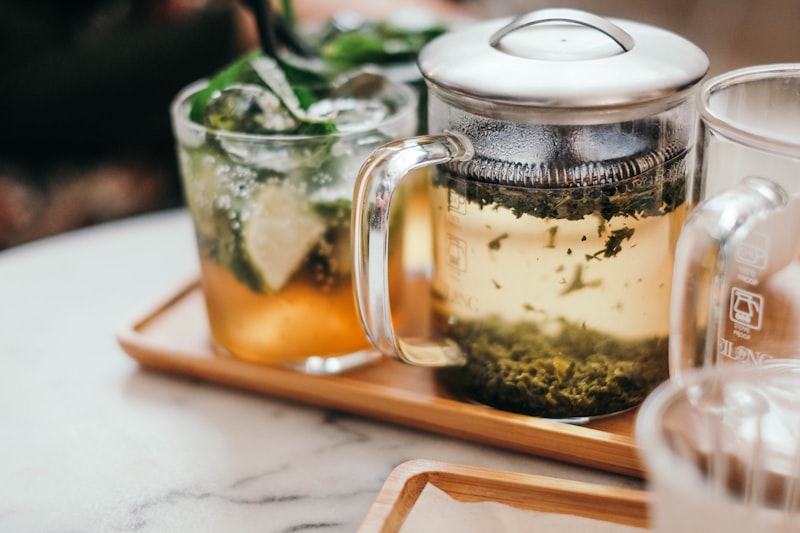
The Detox Blend — better described as a traditional cleansing infusion — is a caffeine-free herbal recipe combining dandelion (Taraxacum officinale, leaf or root), nettle (Urtica dioica, leaf), and lemongrass (Cymbopogon citratus), with an optional addition of burdock root (Arctium lappa). These are classic 'depurative' herbs in European herbal medicine, used historically as spring tonics to support normal liver and kidney drainage. The flavor is earthy, mineral, and lightly citrus-grassy from the lemongrass. Important: no food or tea 'removes toxins' — these herbs are traditionally associated with supporting the body's own elimination organs, not with treating any disease.
How to brew: 98°C, 9 min, 3 g per cup.
Caffeine
None
How to brew
Flavor notes
earthy, bitter, citrusy
Often associated with
Digestive comfort, Sense of well-being
Best time to enjoy
Mid-morning, After a meal
Tags
Origin & Production
All four herbs are cosmopolitan. Dandelion grows almost worldwide as a 'weed' and is commercially cultivated for its leaf and root in Europe and North America. Stinging nettle is native to Europe, much of Asia, and North America. Burdock is European and widely naturalized; in Japan it is even a cultivated vegetable (gobo). Lemongrass is tropical, native to South and Southeast Asia, and now grown commercially in India, Sri Lanka, Thailand, Guatemala, and other tropical regions. As a blend, this recipe draws on European herbal 'depurative' tradition with a tropical aromatic accent.
Production process
Recipe (per ~3 g serving)
Classic ratio: 35% dandelion (leaf and/or root, cut), 30% nettle leaf (cut), 25% lemongrass (cut), 10% burdock root (cut, optional). For a brighter, less mineral cup, drop the burdock and use 40% lemongrass.
Choose leaf vs root for dandelion
Dandelion leaf is more diuretic and has a fresher, slightly bitter taste; the root is roastier and more associated with liver/bile flow support. A 50/50 mix of leaf and root gives a balanced profile.
Weigh and combine
Weigh each cut herb according to the ratio. Combine in a clean dry bowl and toss gently to distribute. Dried nettle has tiny hairs — handle calmly; once dried it does not sting.
Store airtight
Transfer to a glass jar with a tight seal; keep in a cool, dark place. Roots stay good for up to 12 months; the leafy components are best within 6–9 months.
Brew (longer for roots)
Use 1 heaped teaspoon (~3 g) per cup, water at 95–100 °C. If your blend includes roots (dandelion root, burdock), simmer gently for 5 minutes then steep covered 5 more minutes. For a leaf-only blend, steep covered for 8–10 minutes. Drink up to 2–3 cups per day for short cleansing courses (1–2 weeks).
History & Tradition
Dandelion, nettle, and burdock are central to European 'spring cure' folklore — the idea that after a heavy winter diet, fresh bitter greens and root infusions help the body return to balance. Lemongrass joins from a completely different lineage of Southeast Asian and Caribbean herbalism.
Arabic and Persian herbals
Persian physicians such as Ibn Sina (Avicenna) describe dandelion (taraxacon) and nettle as cooling, diuretic, and 'cleansing' herbs in the Canon of Medicine, influencing later European herbalism.
European herbals — Gerard & Culpeper
John Gerard's Herball (1597) and Nicholas Culpeper's Complete Herbal (1653) both describe dandelion, nettle, and burdock as 'opening' and 'cleansing' herbs for the liver, kidneys, and blood — cementing them as classic European depuratives.
Spring tonic tradition
Rural communities across Europe and North America observed an annual 'spring cure': eating fresh dandelion greens, drinking nettle broth, and brewing root teas after a long winter of preserved, salty, or fatty foods. Many of these traditions feed directly into today's herbal 'detox' marketing.
ESCOP and Commission E
Germany's Commission E and the European Scientific Cooperative on Phytotherapy publish monographs supporting dandelion (root and herb) and nettle (leaf) as traditional aids to increase urine output and support digestion — not as treatments for any specific disease.
Public-health pushback on 'detox' claims
European and UK regulators (EFSA, ASA) crack down on commercial 'detox tea' claims that imply toxin removal or weight loss, with several products withdrawn or relabelled. The herbs themselves remain authorized under traditional-use frameworks — provided claims stay within drainage and wellness language.
Health Benefits
Traditional drainage support
Dandelion leaf and nettle leaf both have EMA/HMPC 'traditional use' monographs as adjuvants to increase urine output for minor urinary complaints and to support drainage. Dandelion root is monographed for mild digestive complaints. This is wellness-style support — not a cure for any condition.
Bitter digestive aperitif
Dandelion's bitter principles (taraxacin) and burdock's inulin stimulate digestive secretions and bile flow, traditionally associated with feeling less heavy after rich meals. Best taken before or just after eating rather than on an empty stomach.
Mineral & polyphenol profile
Nettle leaf is unusually rich in minerals (iron, magnesium, calcium, potassium) and flavonoids, providing a nutrient-dense base. Dandelion and burdock contribute additional polyphenols and prebiotic inulin that may support gut microbial balance.
Aromatic lift from lemongrass
Lemongrass contains citral, which gives the blend its bright, refreshing top note and makes the otherwise earthy infusion much more drinkable. Lemongrass also has its own tradition as a calming, mildly antispasmodic digestive tea in Southeast Asian and Caribbean herbalism.
Safety & considerations
This is a wellness infusion, not a medicine, and does not 'remove toxins' — healthy liver and kidneys do that themselves. Use short courses (1–2 weeks), not indefinite daily use. Dandelion can interact with diuretics, lithium, and some liver/bile medications; people with gallstones, bile-duct obstruction, or kidney disease should avoid it. Dandelion and burdock are in the Asteraceae family — risk of allergy for those sensitive to ragweed/daisies. Avoid in pregnancy unless cleared by a clinician. Maintain normal hydration when using diuretic herbs. If you have a chronic condition or take prescription medication, consult a healthcare professional first.
Grades & Varieties
Classic spring tonic (leaf-only)
40% dandelion leaf, 30% nettle leaf, 30% lemongrass. Lighter, fresher, and easier to brew — only needs steeping, no simmering. The most accessible introduction to depurative herbs.
Best for
- ✓First-time use
- ✓Spring or after-holiday short cure
- ✓Lighter cup, faster brew
Root-forward (deeper, more bitter)
30% dandelion root (roasted), 25% nettle leaf, 25% lemongrass, 20% burdock root. Earthier, more bitter, slightly coffee-like — best simmered. Stronger digestive-aperitif feel.
Best for
- ✓After heavy meals
- ✓Replacing an afternoon coffee
- ✓Adults who enjoy bitter herbal flavors
Mild & citrusy (lemongrass-led)
25% dandelion leaf, 25% nettle leaf, 50% lemongrass. The most beginner-friendly version: aromatic, refreshing, low bitterness. Easier to drink iced in warmer weather.
Best for
- ✓Warm weather iced cup
- ✓Mild flavor preference
- ✓Daily wellness ritual (short term)
Did you know?
Despite a multi-million-dollar 'detox tea' industry, regulators have repeatedly pushed back on the term: in 2015 the UK's ASA forced multiple commercial detox-tea brands to stop claiming they 'remove toxins,' and the EU's EFSA has never authorized any 'detox' health claim — meaning the herbs in this blend (dandelion, nettle, burdock) can only legally be sold under their traditional drainage/digestive monographs, not as toxin-removers. Healthy livers and kidneys handle that part themselves.
Foods with this tea

What to Eat with Detox Blend Tea
Detox Blend's earthy mix of dandelion, nettle, and lemongrass pairs naturally with light, balancing meals—fresh green salads, brothy vegetable soups, and steamed fish that let the body feel its best.
Steamed White Fish with Lemongrass Broth and Greens
Delicate white fish steamed over a fragrant lemongrass and ginger broth, served on a bed of wilted greens—a clean, light bowl that mirrors the balancing spirit of Detox Blend.
Citrus Fruit Salad with Honey-Yogurt and Mint
A bright fruit salad of grapefruit, orange, and kiwi over honey-sweetened yogurt with fresh mint—a light, refreshing finish that mirrors Detox Blend's clean, balancing spirit.
Drinks with this tea
Morning Detox Blend Tonic with Apple Cider Vinegar
Our detox blend (dandelion, nettle, lemongrass) brewed warm and combined with raw apple cider vinegar, lemon, and a touch of honey—a bright, cleansing morning tonic that supports digestion and liver function.
Iced Detox Blend Cucumber Lemonade
Cold-brewed detox blend mixed with cucumber, fresh lemon, mint, and honey—a light, hydrating iced lemonade that's the cleansing summer counterpart to the morning tonic.
Spring Cleanse Sparkling Mocktail
A bright, garden-fresh mocktail built on the detox blend with grapefruit, lemon, fresh herbs, and sparkling water—a cleansing-themed cocktail-glass drink that needs no alcohol to feel celebratory.