
Thyme
Herbal infusion
About this tea
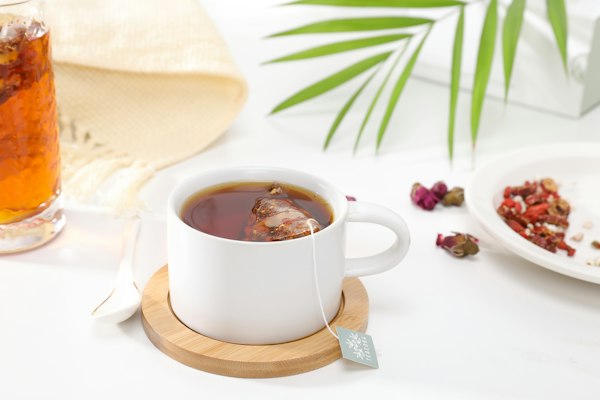
Thyme tea is a savory, peppery herbal tisane — not a true tea — made from the leaves and flowering tops of Thymus vulgaris, a low woody shrub native to the dry hillsides of the western Mediterranean. Where many herbal infusions lean sweet or floral, thyme stands apart with a sharp, almost spicy edge driven by thymol, the essential-oil compound that also gives the plant its long history as a throat-soother and kitchen staple. Mediterranean households have long kept a pot of thyme tea ready for the moment a meal feels too heavy or a throat feels scratchy, treating it as a practical, everyday herb rather than a delicate luxury. Brewed strong, it tastes closer to a savory broth than a dessert tisane — earthy, resinous, with a warming bite on the finish.
How to brew: 95°C, 5 min, 2 g per cup.
Caffeine
None
How to brew
Flavor notes
earthy, spicy, aromatic
Often associated with
Digestive comfort, Calm
Best time to enjoy
After a meal, Evening
Tags
Origin & Production
Thyme is native to the rocky, sun-baked garrigue and scrubland of the western Mediterranean, especially southern France, Spain, and the Italian peninsula, where it grows as a tough, low-spreading shrub among limestone outcrops. Its tolerance for poor, dry soil and intense sun made it one of the easiest herbs to gather wild long before it was cultivated, and it remains a defining scent of the Provençal hillsides in summer. Today thyme is grown commercially across southern Europe, North Africa, and increasingly in the Americas, but the wild Mediterranean plant — tougher, more pungent, more compact than its garden cousins — is still considered the benchmark for flavor. Unlike fennel or chamomile, which are grown chiefly for their seeds or flowers, thyme tea is made from the whole leafy sprig, harvested while the essential oils are at their peak just before or during flowering.
Production process
Sprig harvest
Leafy stems are cut just before or during flowering, typically in late spring to midsummer, when thymol concentration in the leaves is highest. Harvest is done in dry weather to avoid mold during curing.
Bundling & air-drying
Cut sprigs are tied into small bundles and hung upside down in shaded, well-ventilated spaces for one to two weeks. Slow air-drying preserves the volatile oils that carry thyme's signature peppery aroma.
Stripping the leaves
Once fully dry and brittle, the tiny leaves are stripped from the woody stems by hand or with a coarse sieve. The stems, which are fibrous and low in flavor, are discarded or composted.
Sifting & grading
Dried leaves are sifted to remove dust and stem fragments, then sorted by leaf integrity. Whole-leaf thyme retains more essential oil and aroma than crushed or rubbed thyme.
Packaging
Graded leaves are packed quickly in airtight, light-blocking containers, since thyme's volatile oils degrade with prolonged exposure to air, light, and heat — far faster than denser herbs like rosemary.
History & Tradition
Thyme's story runs through ancient ritual, medieval medicine cabinets, and modern kitchens alike — few herbs have moved so seamlessly between the sacred, the medicinal, and the everyday pot of tea.
Embalming and ritual use
Ancient Egyptians used thyme and related herbs in embalming preparations, valuing the plant's strong preservative aroma long before its flavor was prized in cooking.
Courage and the gymnasium
Greeks burned thyme as incense in temples and rubbed it on the skin before athletic contests, associating its sharp scent with courage and vigor — the plant's name likely derives from the Greek 'thymos,' meaning spirit or courage.
Spread across Europe
Roman soldiers and traders carried thyme throughout the empire, both as a flavoring for cheese and liqueurs and as a purifying herb believed to ward off illness in damp barracks and homes.
Knightly symbol and plague herb
Medieval women embroidered sprigs of thyme onto scarves given to knights as a symbol of bravery, while bunches of thyme were burned or strewn in homes during plague outbreaks in the belief that its scent purified the air.
Thymol isolated and named
German chemist Caspar Neumann was among the first to isolate the oil that would later be characterized as thymol, the compound that gives thyme its sharp, antiseptic aroma and forms the basis of its later use in oral and respiratory remedies.
Kitchen staple and gargle tradition
Thyme became a cornerstone of French and Mediterranean cuisine (a fixture of bouquet garni and herbes de Provence) while thyme tea and gargle remained a household remedy for sore throats and after heavy meals across southern Europe and Latin America.
Health Benefits
Digestive comfort
Thyme has long been used as a digestive herb in Mediterranean folk practice, traditionally sipped after rich or fatty meals to ease that heavy, bloated feeling and support a smoother digestion.
Throat and respiratory comfort
Thymol, thyme's signature essential-oil compound, has a long folk tradition of use as a gargle or warm infusion to soothe a scratchy throat and ease a nagging cough — it remains a common ingredient in throat lozenges and cough syrups today.
Warming, savory comfort
Unlike sweeter herbal infusions, thyme tea's peppery, savory profile delivers a warming sensation that many find grounding on a cold evening or after a heavy meal, closer to sipping a light broth than a dessert tea.
Aromatic, antioxidant-rich leaf
Thyme leaves are rich in phenolic compounds, including rosmarinic acid and flavonoids, which contribute to its antioxidant character — part of why the herb has stayed prized in traditional Mediterranean cooking and home remedies alike.
Calm, grounding ritual
Brewing and slowly sipping a savory cup of thyme tea is, for many Mediterranean households, as much a calming after-dinner ritual as it is a remedy — a moment to pause and let a meal settle.
Grades & Varieties
Whole dried sprig
Small intact leaves still attached to thin dried stems, sold loose or in bunches. The most aromatic and traditional form, used widely across Mediterranean kitchens for both cooking and infusions.
Best for
- ✓After-meal digestive infusion
- ✓Cooking and tea from the same jar
- ✓Traditional Mediterranean preparation
Loose-leaf (rubbed)
Stripped, rubbed leaves with stems removed, giving a more consistent, faster-brewing cup. Slightly less visually rustic than the whole sprig but easier to measure and steep evenly.
Best for
- ✓Daily throat-soothing tea
- ✓Consistent, faster steeping
- ✓Tea bags and travel tins
Thyme-lemon blend
Dried thyme combined with lemon peel or lemon verbena, softening the herb's peppery sharpness with citrus brightness. A common household blend for evening sipping or when the throat feels under the weather.
Best for
- ✓Milder, brighter flavor
- ✓Evening or bedtime cup
- ✓Newcomers to thyme tea
Did you know?
Ancient Greeks burned thyme as incense in temples and rubbed it on their skin before athletic contests, believing its sharp scent gave courage — the plant's name likely comes from the Greek 'thymos,' meaning spirit or courage.
Foods with this tea

What to Eat with Thyme Tea
Thyme's peppery, savory profile makes it one of the few herbal teas that genuinely belongs at the dinner table — roasted meats, mushrooms, and aged cheeses all find a natural partner here.
Thyme Tea–Braised Chicken Thighs with White Beans
Chicken thighs braised in a reduction of strong thyme tea, garlic, and white wine, finished with creamy white beans — a one-pot Mediterranean dinner built around the tea itself.
Thyme Tea and Honey Poached Pears
Pears gently poached in thyme tea, honey, and lemon — the herb's peppery edge tempers the fruit's sweetness for a dessert that tastes elegant rather than candied.
Drinks with this tea

Thyme and Honey Throat Soother
A warm, peppery infusion of thyme, honey, and lemon — the classic Mediterranean home remedy for a scratchy throat or a meal that needs settling.
Iced Thyme and Grapefruit Cooler
Cold-brewed thyme tea shaken with grapefruit juice and a touch of honey — a savory-bright iced drink that's far more refreshing than thyme's reputation as a kitchen herb suggests.
Thyme and Rosemary Garden Mocktail
A non-alcoholic herb-garden mocktail built on chilled thyme tea, sparkling water, and a rosemary-honey syrup — savory, calming, and entirely caffeine-free for an unwinding evening.