
Hojicha
Green tea
About this tea
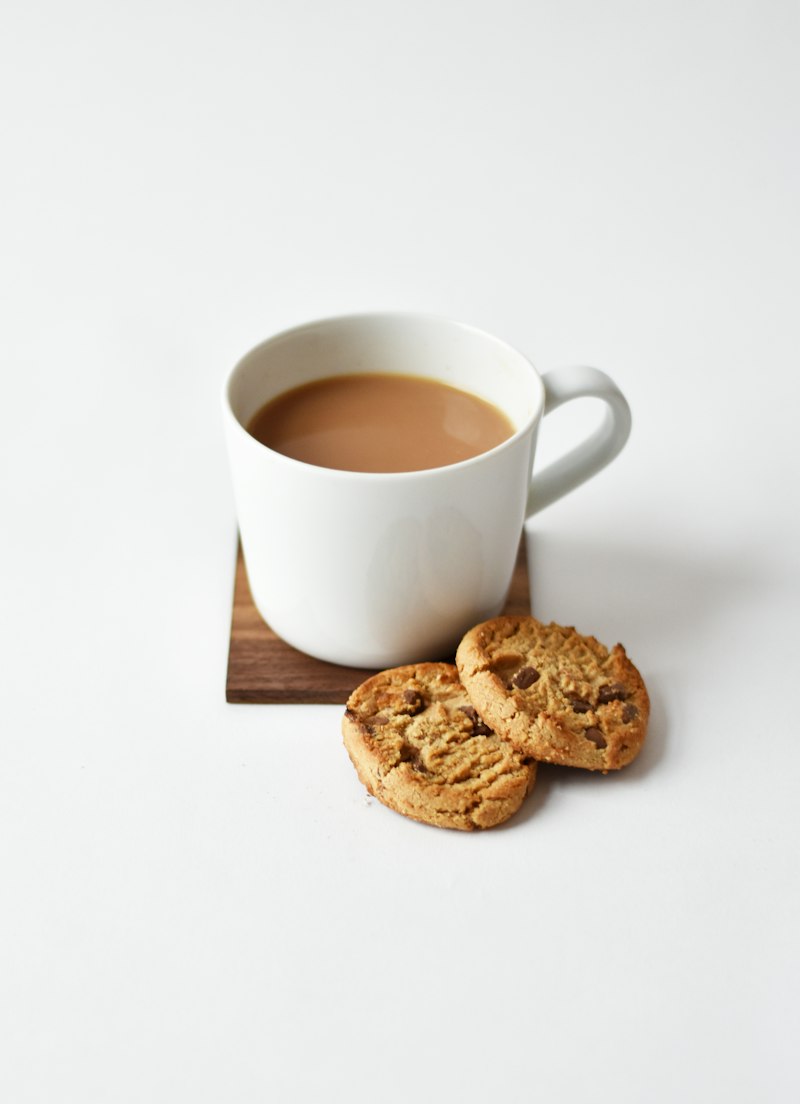
Hojicha is a uniquely Japanese roasted green tea, made by pan-roasting bancha, sencha, or kukicha leaves and stems over high heat until they turn a deep reddish-brown. The roasting drives off most of the bitterness and a large portion of the caffeine, producing a cup that is warm, nutty, slightly sweet, and remarkably gentle. Unlike most green teas, hojicha brews to a coppery amber liquor rather than green, and is often served to children, the elderly, and after dinner thanks to its mellow character and low stimulant content.
How to brew: 95°C, 45s, 3 g per cup.
Caffeine
Low
How to brew
Flavor notes
toasted, nutty, smooth
Often associated with
Calm, Gentle relaxation
Best time to enjoy
Afternoon, Evening, After a meal
Tags
Origin & Production
Hojicha is produced across Japan's main tea regions, but Kyoto — especially the Uji area — is most closely associated with the style, where it was first developed commercially. Shizuoka and Kagoshima also produce large volumes of everyday hojicha, often from later-season bancha leaves and stems left over from sencha production. The character of the final tea depends heavily on the base leaf (leaf vs. stem) and the depth of the roast applied by the producer.
Production process
Base tea selection
Hojicha typically starts from bancha (later-harvest leaf), sencha, or kukicha (stems and twigs). Lower-cost grades use bancha or stems; premium hojicha may use first-flush sencha or even gyokuro leaves.
High-heat roasting
The dried leaves are roasted in a porcelain pot, rotating drum, or pan at temperatures of roughly 150–200 °C until they turn reddish-brown. The roast must be quick enough to develop aroma without burning the leaf.
Cooling
Immediately after roasting, the leaves are spread out and cooled quickly to stop the toasting reaction. This locks in the characteristic caramelized, slightly smoky aroma without pushing it into bitterness.
Blending and packaging
Many commercial hojichas are blends of roasted leaf and roasted stem (kuki-hojicha) to balance body, sweetness, and price. The finished tea is packaged quickly because the volatile roasted aromas fade over time.
History & Tradition
Hojicha is one of the youngest classic Japanese green teas, born in Kyoto in the early 20th century from a moment of practical creativity that turned surplus leaf into a national favourite.
Invented in Kyoto
Hojicha is widely credited to a Kyoto tea merchant who, around 1920, decided to roast unsold older leaves and stems to refresh them. The resulting toasty, low-caffeine cup quickly caught on with local customers.
Everyday Japanese cup
After World War II, hojicha became a household staple in Japan thanks to its low price and gentle character. It was — and still is — commonly served in restaurants, schools, and hospitals where strong stimulants are undesirable.
Specialty hojicha emerges
Premium producers in Uji and Wazuka began applying lighter, more controlled roasts to high-grade leaf, elevating hojicha from a budget tea into a category worthy of single-origin labeling and seasonal limited releases.
Global café trend
Hojicha lattes, ice creams, and pastries spread from Kyoto to international cafés. Powdered hojicha (similar to matcha) became a popular ingredient outside Japan, raising worldwide awareness of the roasted style.
Health Benefits
Naturally low caffeine
High-heat roasting reduces caffeine substantially compared with sencha or matcha. Hojicha is widely recommended in Japan for the evening, for children, and for sensitive drinkers as a gentle alternative to other green teas.
Gentle relaxation
Hojicha still retains L-theanine, the amino acid linked to alpha brain wave activity and calm focus. Combined with its low caffeine, it tends to feel soothing rather than stimulating.
Antioxidant support
Like other green teas, hojicha contains catechins and other polyphenols with antioxidant activity. Roasting reduces some compounds but generates new aromatic ones such as pyrazines that also contribute to its character.
Stomach-friendly
The roast lowers tannin astringency, and the low caffeine makes hojicha a popular after-meal tea in Japan that does not interfere with digestion or sleep. Drinkers often choose it when other green teas feel too harsh.
Everyday hydration
Hojicha is essentially a flavorful infusion that contributes meaningfully to daily fluid intake. Its mild taste makes it easy to drink in large volumes hot or cold, especially during meals.
Grades & Varieties
Leaf hojicha (ha-hojicha)
Made from bancha or sencha leaves with no stems. Fuller body and a deeper, sweeter roasted character. The most common style for everyday drinking and the base of many premium hojichas.
Best for
- ✓After-dinner cup
- ✓Cold infusion
- ✓Pairing with desserts
Stem hojicha (kuki-hojicha / kukicha)
Made primarily from roasted tea stems and twigs. Lighter body, especially low caffeine, and a delicate sweet aroma — popular in Kyoto, where the gyokuro and matcha industries produce many high-quality stems.
Best for
- ✓Evening drinking
- ✓Caffeine-sensitive drinkers
- ✓Children
Hojicha powder (hojicha ko)
Roasted leaves ground to a fine powder, similar in concept to matcha. Used to make lattes, ice cream, and baked goods, or whisked directly into hot water. Concentrates the toasted aroma into a vivid, comforting cup.
Best for
- ✓Hojicha lattes
- ✓Baking and desserts
- ✓Cooking applications
Did you know?
Hojicha was invented in 1920s Kyoto when a tea merchant roasted leftover bancha leaves and stems to refresh them; the high-heat roast burns off much of the caffeine, making it a common evening tea for children and the elderly in Japan.
Foods with this tea
What to Eat with Hojicha Tea
Hojicha's roasted, nutty, low-caffeine profile pairs beautifully with autumn vegetables, grilled mushrooms, miso-glazed dishes, and warming desserts like panna cotta or sweet potato sweets.
Hojicha Miso-Glazed Eggplant (Nasu Dengaku)
Japanese eggplant brushed with a sweet miso glaze enriched with toasted hojicha—nutty, smoky, caramelized, and irresistible served warm with steamed rice.
Hojicha Panna Cotta with Black Sugar Caramel
A silky panna cotta deeply infused with roasted hojicha, served with a dark Okinawan black-sugar caramel—toasty, creamy, and quietly addictive.
Drinks with this tea
Hojicha Roasted Evening Latte
Roasted hojicha simmered into a milky, low-caffeine latte sweetened with maple and a pinch of cinnamon—a cozy nighttime wellness ritual for restless minds.
Iced Hojicha Oat-Maple Latte
Cold-brewed hojicha over ice with creamy oat milk and a swirl of maple syrup—roasted, nutty, low-caffeine, and impossibly silky.
Hojicha Old Fashioned
Bourbon infused with roasted hojicha, stirred with demerara and orange bitters—a smoky, toasted twist on the old fashioned that drinks like autumn in a glass.