
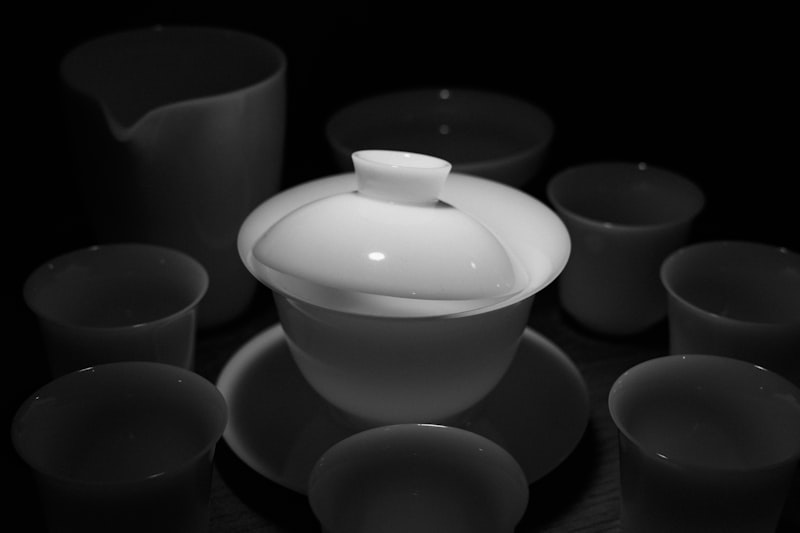
Darjeeling White
White tea
About this tea
Darjeeling White is a rare, delicate white tea grown in the high-altitude gardens of the Darjeeling district in West Bengal, India. Made from the youngest buds and downy leaf tips of the Camellia sinensis plant, it is barely processed — simply withered and dried — to preserve a pale, elegant liquor. The cup is light and silky, with soft floral and honeyed notes and a whisper of the famous Darjeeling muscatel character. Because yields are tiny and skilled hand-plucking is essential, Darjeeling White remains one of the most exclusive and sought-after white teas in the world.
How to brew: 80°C, 3 min, 3 g per cup.
Caffeine
Low
How to brew
Flavor notes
floral, delicate, smooth, lightly sweet
Often associated with
Calm, Gentle focus
Best time to enjoy
Mid-afternoon, Afternoon, Evening
Tags
Origin & Production
Darjeeling sits in the eastern Himalayan foothills at altitudes ranging from roughly 600 to over 2,000 meters, where cool mist, sharp temperature swings, and mineral-rich slopes shape a uniquely aromatic leaf. The same gardens that gave the world the celebrated Darjeeling 'Champagne of teas' also produce small lots of white tea, usually from the tender first-flush buds of spring. The thin mountain air and slow growth concentrate flavor, while the morning fog drapes the terraced estates and slows leaf development. White production here is a relatively modern, boutique pursuit, made in tiny quantities by gardens such as Makaibari, Glenburn, and Arya.
Production process
Selective bud plucking
Only the unopened bud and the youngest downy tips are hand-plucked, typically during the spring first flush. Yields are extremely low, as a great deal of leaf is needed to make a small amount of white tea.
Long natural withering
The fresh buds are spread on bamboo trays or troughs and left to wither slowly in cool, controlled air for many hours. This gentle moisture loss is the heart of white tea, allowing subtle oxidation and aroma to develop naturally.
Minimal handling
Unlike black or oolong teas, the leaves are not rolled or fired hard. Minimal handling protects the delicate silvery down and preserves the pale liquor and soft texture.
Gentle drying
The withered buds are dried at low temperature until moisture is stable enough for storage. Low, careful drying locks in the floral and muscatel notes without imparting any toasty or roasted character.
Hand sorting & grading
Finished tea is sorted by hand to separate whole, intact silvery buds from broken leaf and stem. The most beautiful, downy buds command the highest grades and prices.
History & Tradition
Tea cultivation in Darjeeling began in the mid-19th century under British colonial planters, and the district quickly became one of the most prestigious tea origins on Earth. White tea is a far more recent, boutique addition to its repertoire.
First Darjeeling gardens
British planters established the earliest experimental tea gardens in the Darjeeling hills, planting Chinese-origin Camellia sinensis varietals suited to the cool Himalayan climate.
Muscatel reputation
Darjeeling teas earned worldwide acclaim for their distinctive muscatel character. The district became known as producing the 'Champagne of teas', a reputation its white teas later inherited in delicate form.
Tea board structures
India formalized national tea governance, and Darjeeling's estates organized around quality and export. This framework would eventually support specialty and artisanal lots, including white teas.
Geographical Indication
Darjeeling tea was granted Geographical Indication status, protecting the name so that only tea grown in the defined district may be sold as Darjeeling — white teas included.
Specialty white boom
Riding growing global interest in artisanal and minimally processed teas, several Darjeeling gardens began crafting small-batch white teas from first-flush buds, establishing the elegant style enjoyed today.
Health Benefits
Rich in antioxidants
Because it is minimally processed, white tea retains a high level of catechins and polyphenols, plant antioxidants traditionally associated with helping the body manage everyday oxidative stress.
Gentle on the stomach
The delicate, low-tannin liquor is light and smooth, making it an easy, soothing cup that many people find gentle to sip throughout the day.
Calm, gentle focus
With its modest caffeine and naturally present L-theanine, white tea offers a soft, clear-headed lift that supports calm focus without the jitter of stronger teas or coffee.
Hydrating and light
Low in caffeine and free of additives, this pale infusion is a hydrating, refreshing choice that fits comfortably into a mindful daily routine.
Low caffeine
Darjeeling White typically delivers less caffeine than black or green teas, making it a good option for an afternoon or early-evening cup when you want flavor without too much stimulation.
Grades & Varieties
Silver Tips (first flush)
The finest grade, made of unopened silvery buds plucked during the spring first flush. Produces the palest, most fragrant cup with delicate floral and muscatel notes and a soft, lingering sweetness.
Best for
- ✓Special occasions
- ✓Mindful slow brewing
- ✓Tasting the muscatel character
White bud & leaf
A blend of buds and very young tender leaves, giving a slightly fuller body than pure tips while keeping the delicate, downy white-tea profile. A more accessible everyday white.
Best for
- ✓Daily delicate cup
- ✓Multiple infusions
- ✓Newcomers to white tea
Moonlight / autumnal white
White tea made from later-season leaf, often darker and slightly fuller in flavor, with deeper honeyed and fruity notes. A rounder, cozier expression of Darjeeling white.
Best for
- ✓Evening wind-down
- ✓Cooler weather
- ✓Those who like a fuller white
Did you know?
Darjeeling White is so rare that a great deal of hand-plucked spring buds is needed to make just a small amount of finished tea.
Foods with this tea

What to Eat with Darjeeling White Tea
Darjeeling White's pale, floral, muscatel-kissed cup loves the gentlest company—fresh fruit, delicate pastries, and light, clean savories that never overpower it.
White Tea Poached Chicken with Herb Salad
Chicken breasts gently poached in fragrant Darjeeling White tea, served sliced over a bright herb salad—a clean, elegant dish that lets the tea's floral notes shine.
White Tea and Honey Panna Cotta
A wobbling, silky panna cotta infused with Darjeeling White and sweetened with honey—delicate, floral, and barely sweet, finished with fresh peach.
Drinks with this tea

Darjeeling White Tea with Honey and Rose
A soft, fragrant wellness cup that pairs delicate Darjeeling White with a touch of honey and rose petals—calming, antioxidant-rich, and gentle on caffeine.
Cold-Brew Darjeeling White with Peach and Mint
Smooth, naturally sweet cold-brewed Darjeeling White infused with fresh peach and mint—a clean, sophisticated iced tea with no bitterness at all.
White Tea and Elderflower Spritz
A bright, floral spritz built on cold-brewed Darjeeling White, elderflower, and sparkling wine—with an equally lovely alcohol-free version for everyone.