
Passionflower
Herbal infusion
About this tea
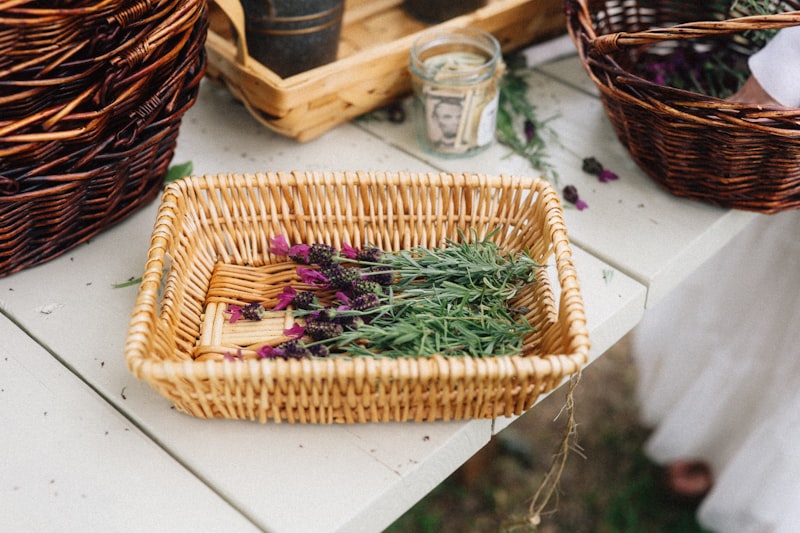
Passionflower (Passiflora incarnata) is a caffeine-free herbal tisane made from the aerial parts — leaves, stems, and flowers — of a climbing vine native to the southeastern United States and parts of Central and South America. Mild and gently grassy with a soft, hay-like sweetness, it has long been one of the most popular evening wind-down herbs in Western herbal tradition. Folk herbalists have valued it for centuries as a calming infusion to ease a busy mind before bed. Because it acts as a gentle sedative, passionflower is best enjoyed in the evening and approached with caution during pregnancy and alongside sedatives or alcohol. Today it is a familiar ingredient in bedtime tea blends around the world.
How to brew: 90°C, 5 min, 2 g per cup.
Caffeine
None
How to brew
Flavor notes
smooth, vegetal, floral, delicate
Often associated with
Calm, Relaxation
Best time to enjoy
Evening, Mid-afternoon, Afternoon
Tags
Origin & Production
Passiflora incarnata is native to the warm, humid southeastern United States, where it grows wild along roadsides, fence lines, and the edges of fields from Virginia and Texas down to Florida. The vigorous perennial vine climbs with tendrils and produces strikingly intricate purple-and-white flowers before forming an egg-shaped fruit known as the maypop. Related species in the Passiflora genus are found across Central and South America, where indigenous peoples used various passionflowers in their own traditions. The herb thrives in full sun and well-drained soil, and the leafy aerial parts are harvested for tea while the plant is in flower. Most commercial passionflower today is cultivated or sustainably wild-collected and dried for the herbal-tea and supplement markets.
Production process
Harvesting the aerial parts
Leaves, stems, and flowers are gathered while the vine is in bloom, traditionally in mid to late summer when the plant's aromatic compounds are most concentrated.
Shade-drying
The cut aerial parts are spread in thin layers and dried slowly in ventilated shade. Gentle drying preserves the delicate flavonoids and keeps the mild, grassy aroma intact.
Cutting & sifting
Once dry, the herb is cut to a uniform size and sifted to remove coarse stems and dust, leaving a consistent cut-and-sift grade ideal for steeping.
Blending & packaging
Passionflower is often blended with chamomile, lemon balm, or valerian for bedtime teas, then packed in sealed, light-protected containers as loose herb or tea bags.
History & Tradition
Passionflower has a long history that begins with the indigenous peoples of the Americas and continues through European herbalism into modern bedtime-tea culture, where it remains one of the best-known calming herbs.
Indigenous traditional use
Indigenous peoples of the southeastern Americas used native passionflowers as food (the maypop fruit) and in traditional preparations valued for their soothing qualities.
Named by Spanish missionaries
Spanish missionaries in the Americas saw the flower's intricate structure as a symbol of the Passion of Christ, giving the plant its enduring name 'passionflower'.
Introduced to European gardens
Passionflower was brought to Europe as an ornamental curiosity and gradually entered herbal practice, where its calming reputation took root among Western herbalists.
Adopted by Eclectic physicians
Nineteenth-century Eclectic physicians in North America popularized passionflower as a gentle remedy for restlessness and sleeplessness, cementing its place in Western materia medica.
Listed in pharmacopoeias
Passionflower appeared in national pharmacopoeias and herbal monographs across Europe and North America, recognized as a traditional calming herb for nervous tension.
Bedtime-tea staple
Today passionflower is a familiar ingredient in commercial bedtime and stress-relief tea blends worldwide, often combined with chamomile, lemon balm, and valerian.
Health Benefits
Evening calm
Passionflower is traditionally enjoyed to quiet a busy mind in the evening. Its flavonoids are associated with a gentle, soothing effect that many find helpful for winding down.
Gentle, caffeine-free wind-down
With no caffeine, passionflower makes a relaxing late-day or bedtime infusion that supports the natural transition toward rest without any stimulant effect.
Soothing ritual
The simple act of brewing a warm, mild cup of passionflower can itself be a comforting bedtime ritual that signals the body it is time to slow down.
Rich in flavonoids
Passionflower's aerial parts contain flavonoids such as vitexin, plant antioxidants traditionally associated with its mild, calming herbal character.
Mindful safety
Because passionflower acts as a mild sedative, it is wise to enjoy it in the evening and to use caution during pregnancy or alongside sedatives and alcohol; check with a professional if unsure.
Grades & Varieties
Cut & sifted herb
The standard loose-herb format: dried leaves, stems, and flowers cut to a uniform size. It steeps into a clear, mild, grassy infusion and is the classic choice for an evening cup.
Best for
- ✓Evening wind-down infusion
- ✓Custom bedtime blends
- ✓Loose-leaf brewing
Tea bags
Pre-portioned passionflower in tea bags for quick, fuss-free brewing. Slightly milder than loose herb but the most convenient format for a nightly cup before bed.
Best for
- ✓Nightly bedtime tea
- ✓Travel and the office
- ✓Beginners to the herb
Calming bedtime blend
Passionflower combined with companions like chamomile, lemon balm, or valerian. The blend softens passionflower's grassy edge and rounds it into a comforting, aromatic wind-down tea.
Best for
- ✓Evening relaxation ritual
- ✓Softer, sweeter flavor
- ✓Pre-sleep routine
Did you know?
Spanish missionaries named the passionflower in the 16th century because its intricate purple-and-white bloom reminded them of the Passion of Christ; the plant's egg-shaped fruit is still known as the 'maypop'.
Foods with this tea

What to Eat with Passionflower Tea
Passionflower's mild, grassy, gently sweet character pairs beautifully with soft, comforting evening foods—buttery toast, mild cheeses, honeyed pastries, and light fruit.
Passionflower-Steamed Chicken with Herb Rice
Tender chicken gently steamed over a passionflower and herb infusion, served on fragrant rice for a calming, light supper perfect for a quiet evening.
Passionflower and Honey Panna Cotta
A silky, lightly set panna cotta infused with mild passionflower tea and sweetened with honey—a gentle, soothing dessert to round off a calm evening.
Drinks with this tea
Passionflower Bedtime Tonic with Chamomile and Honey
A warm, caffeine-free evening tonic blending passionflower with chamomile, lemon balm, and honey—a gentle wind-down cup to help you ease toward rest.
Iced Passionflower Lemonade with Mint
Cold-brewed passionflower blended with fresh lemon and mint over ice—a refreshing, caffeine-free cooler that stays mild, grassy, and gently calming.
Passionflower Bedtime Mocktail
A soothing alcohol-free nightcap shaking passionflower tea with lemon, honey syrup, and a splash of sparkling water—all the ritual of a cocktail with none of the buzz.