
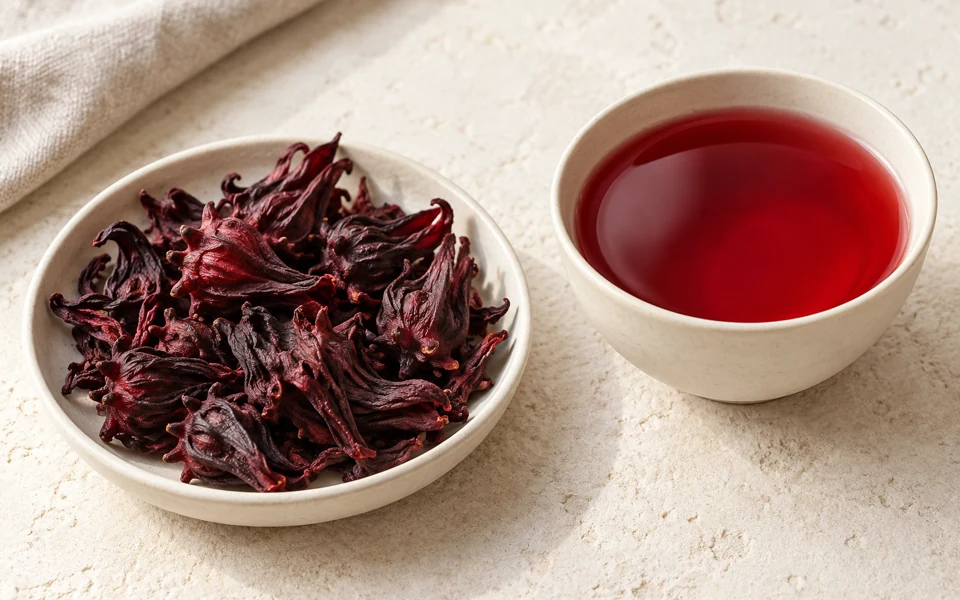
Hibiscus
Herbal infusion
4.5/5 · FindMeTea score
About this tea
Hibiscus tea is a vibrant, ruby-red herbal tisane — not a true tea — made from the dried calyces of Hibiscus sabdariffa (roselle), prized worldwide for its tart, cranberry-like flavor and striking crimson color. The dried calyces are rich in anthocyanins, the pigments behind that color, and in the organic acids that give the cup its sharp, mouth-watering tartness. Naturally caffeine-free, it is drunk hot and iced under many names — 'agua de Jamaica' in Mexico, 'bissap' in West Africa, 'karkadé' in Egypt and Sudan — and it is one of the most widely consumed herbal drinks on the planet.
How to brew: 95°C, 5 min, 2 g per cup.
Caffeine
None
How to brew
Flavor notes
tart, fruity, refreshing
Often associated with
Refreshing, Intense flavor
Best time to enjoy
Afternoon
Tags
Where to find it in United States
 Where to find it in United States
Near Columbus
- North Market SpicesThis tea
Columbus · North Market, downtown
Hibiscus Flowers
from US$ 5.20· 1 oz
In storeOnline59 Spruce Street, Columbus, OH 43215See the shop → - Posh Teatime Co.Other Herbal infusion
Columbus · Franklinton, West Broad Street
Farmer's Market Fruit Blend
from US$ 16.95· 4 oz
In storeOnline1273 W Broad Street, Columbus, OH 43222See the shop → - Sencha Tea BarThis tea
Minneapolis · Uptown (also Madison, WI)
Hibiscus Flowers
from US$ 4.99· 2 oz
In storeOnline2601 Hennepin Ave S, Minneapolis, MN 55408See the shop → - Old City CoffeeThis tea
Philadelphia · Old City · Reading Terminal Market
Hibiscus
US$ 11· 4 oz
In storeOnline221 Church St, Philadelphia, PA 19106See the shop → - The Random Tea RoomThis tea
Philadelphia · Northern Liberties
Hibiscus Flower
US$ 19.50· 6 oz
In storeOnline713 N 4th St, Philadelphia, PA 19123See the shop →
Origin & Production
Hibiscus sabdariffa is believed to have originated in tropical West Africa, particularly in the region spanning modern Sudan and Nigeria. Today it is commercially cultivated across a tropical belt: Sudan and Egypt in Africa; Mexico and Central America; India, Thailand, and China in Asia. The plant requires a warm climate with well-distributed rainfall and flourishes at altitudes below 600 meters, producing the fleshy red calyces that are harvested for tea.
Production process
Cultivation
Seeds are sown at the start of the rainy season in tropical soils. Plants grow 1.5–2 meters tall and produce cream-colored flowers with a distinctive dark eye.
Calyx harvest
After flowering, the fleshy red calyces (the outer sepals surrounding the seed pod) are hand-picked when fully mature — about 15–20 days after the flower blooms.
Sun-drying
Harvested calyces are spread on drying racks and sun-dried for 3–5 days until moisture content drops below 12%, concentrating anthocyanins and organic acids.
Sorting & packaging
Dried calyces are sorted by size and color intensity (darker red indicates higher anthocyanin content), then packed in moisture-proof containers.
- Free
- Sundays
- 2 min
Drink better tea, one Sunday at a time.
A fact for the table·A shop worth the trip·A better cup·Ritual & kit of the week·Tea fun facts
History & Tradition
Hibiscus has been consumed for centuries across Africa, the Middle East, and the Americas — from Egypt's karkadé, fondly called 'the tea of the pharaohs', to modern Mexican street vendors — making it a truly global herbal tradition.
Ancient Egypt
In Egypt, karkadé — a chilled hibiscus infusion drunk to combat the desert heat — is popularly known as 'the tea of the pharaohs', a tradition that links it to ancient royalty and keeps it a staple at banquets and celebrations.
West African bissap tradition
The Wolof people of Senegal developed bissap, a sweetened hibiscus drink spiced with mint and ginger, which became integral to hospitality and celebration across the Sahel.
Spanish colonizers bring roselle to Mexico
Spanish and Portuguese traders introduced Hibiscus sabdariffa from West Africa to the Americas. In Mexico, it became 'agua de Jamaica', now the country's most popular agua fresca.
Hibiscus enters the clinical literature
A randomized, double-blind, placebo-controlled trial of brewed hibiscus tea in 65 adults, run at the Jean Mayer USDA Human Nutrition Research Center on Aging at Tufts University, was published in the Journal of Nutrition (McKay et al., 2010). By testing the everyday drink rather than a concentrated extract, it turned hibiscus into a regular subject of clinical research.
One of the most studied herbal infusions
Trials on hibiscus multiply across several countries — enough that by 2022 a systematic review in Nutrition Reviews could pool 17 randomized trials of the plant. At the same time hibiscus moves into the global wellness market, and demand for the dried calyces grows worldwide.
What's in the cup
What the blood-pressure trials say
A 2022 systematic review in Nutrition Reviews pooled 17 randomized trials of Hibiscus sabdariffa and reported lower systolic blood pressure with hibiscus than with placebo, with the largest differences in participants whose blood pressure was highest to begin with. The trials were small and their results varied widely; they used both brewed infusions and concentrated extracts, at doses from 15 mg to 9 g a day, and the authors conclude that more research is needed to establish an effective dose and duration.
Source: Ellis et al., Nutrition Reviews (2022) — systematic review and meta-analysis
The anthocyanins that make it red
Almost all of the color in the cup comes from anthocyanins — mainly delphinidin and cyanidin glycosides — the same family of red-purple pigments that colors berries and red cabbage. The deeper the red of the dried calyx, the more of them it carries, which is why graders sort hibiscus by color intensity and why whole calyces brew a more saturated cup than broken ones.
Tart by nature, sweetened by custom
The sharpness of hibiscus is acidity, not tannin: the dried calyces are full of organic acids, which is why the drink lands closer to cranberry or sorrel than to tea. It is also why sugar is part of the recipe almost everywhere hibiscus is drunk — from Mexican agua de Jamaica to Senegalese bissap, sweetened and often spiced with mint and ginger.
Caffeine-free, hot or iced
Hibiscus carries no caffeine at all, which is why it gets poured at any hour and why it is the base of so many iced drinks. The usual measure is about 2 g of dried calyces in water just off the boil (95 °C) for five minutes; strained, chilled and sweetened to taste, that same infusion becomes agua de Jamaica.
This isn't medical advice. If you have a specific condition, or you are pregnant or taking medication, check with a healthcare provider.
- Free
- Sundays
- 2 min
Drink better tea, one Sunday at a time.
A fact for the table·A shop worth the trip·A better cup·Ritual & kit of the week·Brew better
Grades & Varieties
Whole dried calyces
Complete, hand-picked calyces dried intact. Deep crimson color with maximum anthocyanin content. Produces the most flavorful, richly colored infusion with a complex tart-sweet profile.
Best for
- ✓Premium hot tea
- ✓Agua de Jamaica (iced)
- ✓Specialty blends
Crushed / broken calyces
Calyces broken into smaller pieces for faster infusion. Slightly less visually dramatic but brews quickly and consistently — ideal for tea bags and large-batch preparation.
Best for
- ✓Daily tea bags
- ✓Large-batch cold brew
- ✓Herbal blend ingredient
Hibiscus powder
Finely ground dried calyces used for instant preparation and culinary applications. Dissolves easily in water, adding vibrant color and tartness to drinks, desserts, and sauces.
Best for
- ✓Smoothies & juices
- ✓Natural food coloring
- ✓Baking & confectionery
Did you know?
Hibiscus tea is made from the calyx of Hibiscus sabdariffa; the drink is called bissap in West Africa, agua de Jamaica in Mexico, and karkadé in Egypt.
Foods with this tea
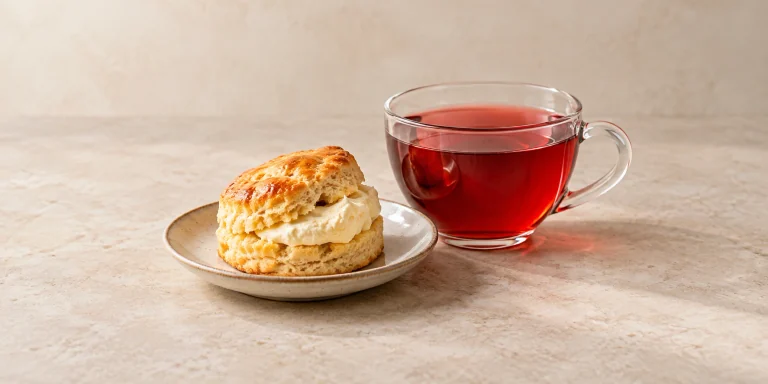
What to Eat with Hibiscus Tea
Hibiscus tea's tart, cranberry-like zing pairs brilliantly with rich cheeses, spiced dishes, and fresh tropical fruit.
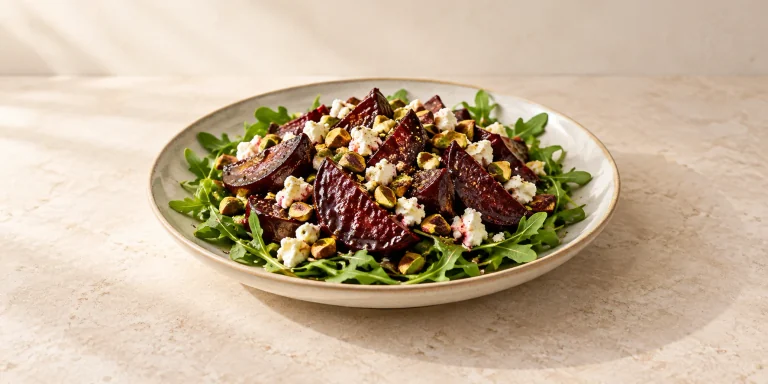
Hibiscus-Glazed Roasted Beet Salad
Earthy roasted beets glazed in a tangy hibiscus reduction, served over arugula with feta, pistachios, and a citrus vinaigrette.
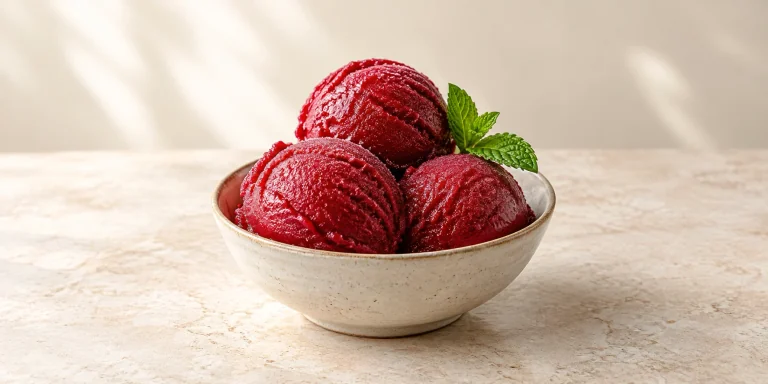
Hibiscus and Raspberry Sorbet
A vibrant magenta sorbet made with hibiscus tea and fresh raspberries—dairy-free, intensely fruity, and naturally refreshing.
- Free
- Sundays
- 2 min
Drink better tea, one Sunday at a time.
A fact for the table·A shop worth the trip·A better cup·Ritual & kit of the week·Tea recipes & drinks
Drinks with this tea
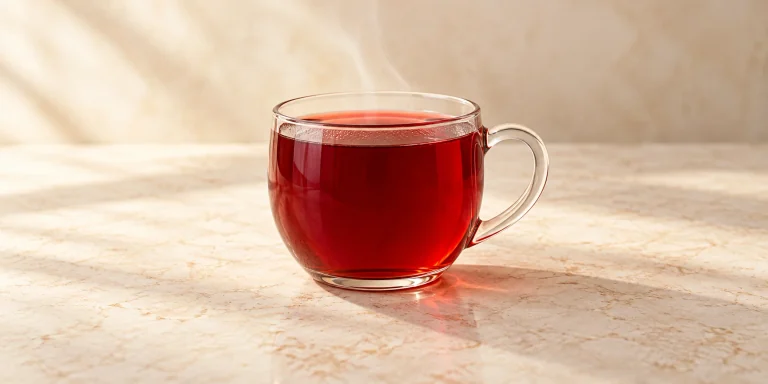
Hibiscus with Ginger, Honey and Lemon
Dried hibiscus flowers steeped in boiling water with grated ginger, raw honey and lemon, plus a pinch of cayenne: tart, spicy and caffeine-free.
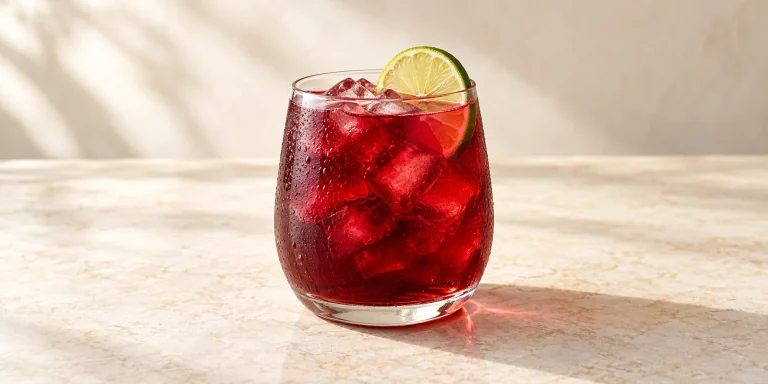
Agua de Jamaica (Mexican Hibiscus Iced Tea)
The classic Mexican street refresher—cold-brewed hibiscus flowers with cane sugar and lime, served ice-cold in a tall glass.
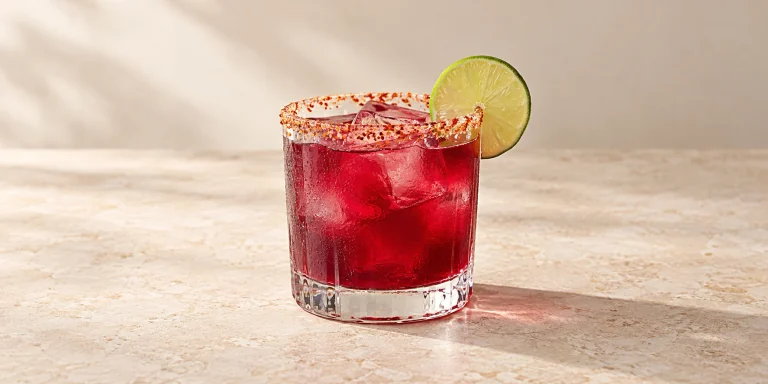
Hibiscus Mezcal Margarita
A smoky-tart twist on the classic margarita—hibiscus-infused mezcal meets lime and agave in a salt-rimmed glass with a stunning magenta hue.