
Linden
Herbal infusion
4.5/5 · FindMeTea score
About this tea
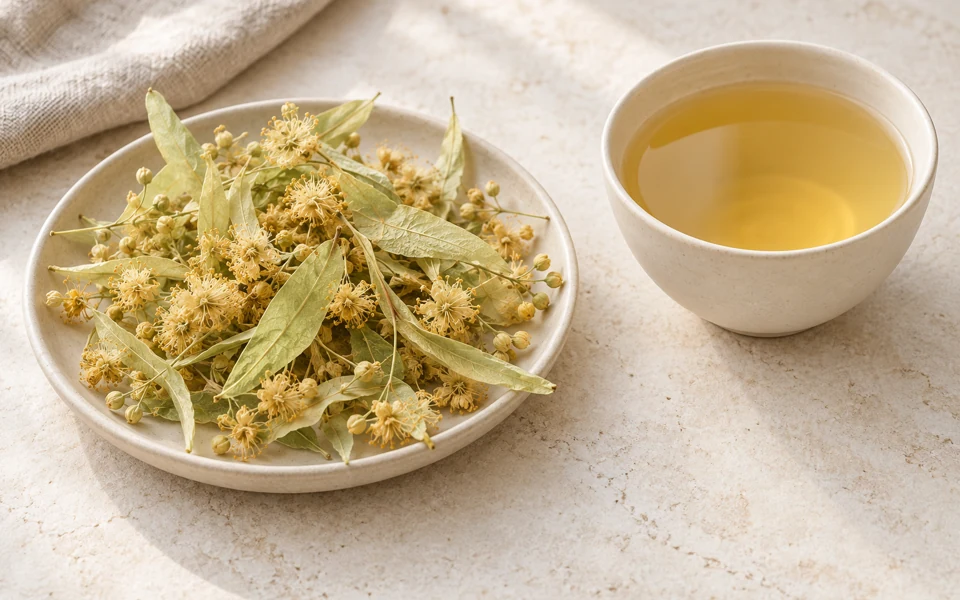
Linden (Tilia europaea), also known as lime blossom or tilo, produces a delicately sweet, honey-scented herbal tisane — a caffeine-free infusion, not a true tea — made from the dried flowers and bracts of the linden tree. The flowers carry flavonoids (tiliroside and quercetin among them), mucilage, which gives the cup its soft body, and volatile oils including farnesol, which give it its scent. Picked for centuries across Central and Eastern Europe and poured in Latin American kitchens for generations, tila is the evening cup of a whole continent, taken for its honeyed flavor and its custom. Europe's medicines agency lists linden flower as a traditional herbal product on the strength of that long-standing use, not of clinical trials — the detail is in the cards below.
How to brew: 95°C, 5 min, 2 g per cup.
Caffeine
None
How to brew
Flavor notes
floral, sweet, smooth
Often associated with
Relaxation, Comfort
Best time to enjoy
Evening, Mid-afternoon
Tags
Where to find it in United States
 Where to find it in United States
Near Columbus
- North Market SpicesOther Herbal infusion
Columbus · North Market, downtown
Spearmint, Crushed Leaves
from US$ 3.85· 1 oz
In storeOnline59 Spruce Street, Columbus, OH 43215See the shop → - Posh Teatime Co.Other Herbal infusion
Columbus · Franklinton, West Broad Street
Farmer's Market Fruit Blend
from US$ 16.95· 4 oz
In storeOnline1273 W Broad Street, Columbus, OH 43222See the shop → - Sencha Tea BarOther Herbal infusion
Minneapolis · Uptown (also Madison, WI)
Rose Hips
from US$ 3.99· 2 oz
In storeOnline2601 Hennepin Ave S, Minneapolis, MN 55408See the shop → - Old City CoffeeOther Herbal infusion
Philadelphia · Old City · Reading Terminal Market
Hibiscus
US$ 11· 4 oz
In storeOnline221 Church St, Philadelphia, PA 19106See the shop → - The Random Tea RoomOther Herbal infusion
Philadelphia · Northern Liberties
Chamomile
US$ 18· 6 oz
In storeOnline713 N 4th St, Philadelphia, PA 19123See the shop →
Origin & Production
The linden tree (Tilia genus) is one of the most iconic trees of Central Europe, where it lines boulevards and anchors village squares from Berlin to Prague. The species Tilia europaea (a natural hybrid of T. cordata and T. platyphyllos) is the primary source for commercial tila tisane. Poland and Romania are among the largest exporters of dried linden flowers. In Latin America, tila arrived with Spanish and Portuguese colonizers and became deeply embedded in the herbal traditions of Mexico, Argentina, and Chile, where it is one of the most commonly consumed herbal infusions.
Production process
Flowering & harvest window
Linden trees bloom for only 10–14 days in late June to early July. The fragrant, pale yellow flowers with their distinctive wing-shaped bract must be harvested during this narrow window, ideally on dry mornings after the dew has evaporated.
Hand-picking
Flowers and their attached bracts are carefully picked by hand from the lower branches of mature trees (often 20–40 meters tall). Each cluster of 5–10 flowers is snipped with the bract still attached, as the bract contributes mucilage and flavor.
Shade drying
Freshly picked flowers are spread in thin layers on drying racks in well-ventilated, shaded areas. They are dried at 35–40°C to preserve the delicate volatile oils and prevent browning. Properly dried flowers retain their pale yellow color and sweet honey aroma.
Sorting & storage
Dried flowers are sorted to remove discolored or damaged pieces, then stored in airtight containers away from light and moisture. High-quality tila flowers remain aromatic for 12–18 months when properly stored.
- Free
- Sundays
- 2 min
Drink better tea, one Sunday at a time.
A fact for the table·A shop worth the trip·A better cup·Ritual & kit of the week·Tea fun facts
History & Tradition
The linden tree has been sacred across European cultures for millennia — a symbol of love, justice, and community. From Germanic tribal councils held beneath its branches to the cup of tila that grandmothers across Latin America prepare to this day, linden's history is deeply intertwined with human civilization.
Sacred tree of Germanic peoples
In Germanic and Norse tradition, the linden was the sacred tree of Freya, the goddess of love. Germanic tribes held court and community assemblies ('Ting') under linden trees, believing the tree inspired truth and fair judgment.
Ovid's Metamorphoses — Philemon and Baucis
In Ovid's Metamorphoses — the tale's only known source — the elderly couple Philemon and Baucis were transformed into intertwined linden and oak trees by Jupiter as a reward for their hospitality — cementing the linden as a symbol of enduring love.
The herbalists' linden
Linden flower earned its place in the European herbal tradition: picked in its two-week bloom, dried in the shade and kept for the winter cupboard. That long-standing use, and not a clinical trial, is what the European Medicines Agency's 2012 monograph on linden flower still rests on.
Tilleul in French culture
Linden tisane ('tilleul') became a beloved after-dinner ritual in France: the honeyed, caffeine-free cup that closes the meal. It remains one of the most popular herbal infusions in France to this day.
Tila in Latin American tradition
Tila became part of everyday life in Mexico, Argentina, and Chile: the infusion a household reaches for at the end of a long day, sold in every market and pharmacy across Latin America, usually in tea bags and often blended with chamomile.
What's in the cup
A traditional herbal product, by Europe's medicines agency
The European Medicines Agency's Committee on Herbal Medicinal Products lists linden flower as a traditional herbal medicinal product for the relief of symptoms of the common cold and of mild symptoms of mental stress — a status it grants exclusively on the basis of long-standing use, not of clinical trials. The same monograph does not recommend it for children under 4 (cold) or under 12 (stress), nor during pregnancy or breastfeeding, for lack of data. This isn't medical advice — if you have a specific condition, check with a healthcare provider.
Source: EMA/HMPC — Community herbal monograph on Tiliae flos (2012)
No caffeine at all
Tila is level 0 on our caffeine scale: there is no Camellia sinensis in the cup, only dried flowers and bracts. That is why it sits at night and mid-afternoon in our catalog, and why it is the infusion that gets poured when the teapot of black tea has already been put away.
Honey, flowers and a soft body
The cup tastes of honey and fresh blossom, with a round, slightly silky texture that comes from the mucilage in the flowers and bracts. Our catalog lists it as floral, sweet and soft, and it needs no sugar: the sweetness is the flower's own.
How to brew it
Our catalog brews tila at 95 °C for 5 minutes with 2 g per cup. Cover the cup while it steeps: the volatile oils that carry the scent leave with the steam, and a saucer on top keeps them in. Whole flowers with the bract give the fullest cup; tea-bag cut extracts faster.
The cup of the evening, by custom
In France it is the tilleul that closes dinner; in Mexico, Argentina and Chile it is the tila an abuela pours at the end of a long day. Both are customs older than any study, and that is how we list them: a warm, honeyed, caffeine-free cup for the last hour of the day, taken for the ritual and not for anything it does.
This isn't medical advice. If you have a specific condition, or you are pregnant or taking medication, check with a healthcare provider.
- Free
- Sundays
- 2 min
Drink better tea, one Sunday at a time.
A fact for the table·A shop worth the trip·A better cup·Ritual & kit of the week·Brew better
Grades & Varieties
Whole linden flowers with bract
Premium grade — complete flower clusters with the pale green bract (wing-shaped leaf) still attached. The bract contributes mucilage and a subtle leafy sweetness. Produces a golden, honey-scented infusion with the softest body and the most complex flavor.
Best for
- ✓The evening cup
- ✓Covered steeping, 5 minutes
- ✓Standalone sipping — no sweetener needed
Linden flower buds only
Just the tiny pale yellow flower buds, separated from the bract and stems. Produces a lighter, more purely floral infusion with less mucilage but a more concentrated aroma — preferred by those who want a cleaner, less viscous tisane.
Best for
- ✓Delicate floral infusion
- ✓Blending with chamomile or lavender
- ✓Cold brew for lemonade
Linden tea bag cut
Finely cut linden flowers and bracts optimized for quick infusion in tea bags. Convenient and widely available across European and Latin American markets. Extracts faster but with less aromatic complexity than whole-flower preparations.
Best for
- ✓Quick bedtime cup
- ✓Office & travel convenience
- ✓The everyday evening habit
Did you know?
Linden trees can live up to 1,000 years and produce up to 100 kg of flowers; linden tea is caffeine-free and has been used since ancient times.
Foods with this tea
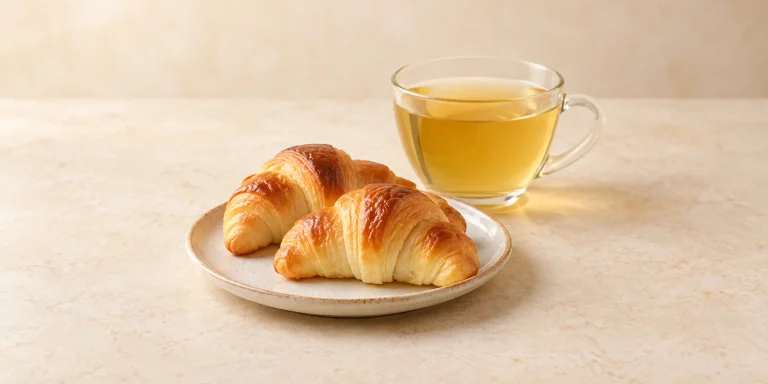
What to Eat with Tila (Linden Blossom) Tea
Tila's honey-sweet, floral character pairs beautifully with light pastries, mild cheeses, and delicate fruit—think merienda, not feast.

Tila-Poached Chicken with Honey-Lemon Glaze
Chicken breasts gently poached in tila tea with honey, lemon, and herbs—tender, fragrant, and unexpectedly elegant for a weeknight meal.
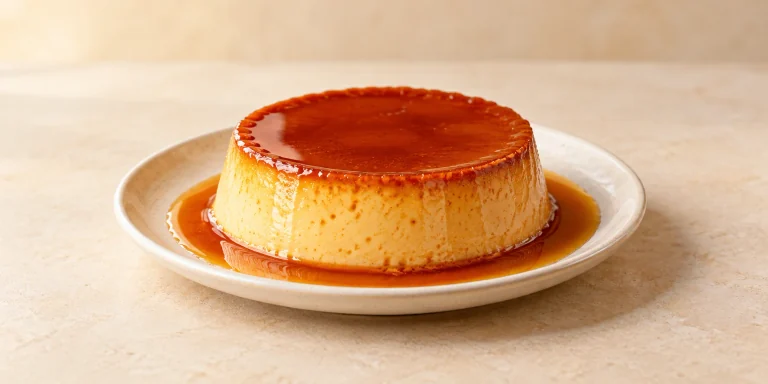
Tila and Honey Flan
A silky, caramel-topped flan infused with tila tea and wildflower honey—traditional Latin American comfort in every spoonful.
- Free
- Sundays
- 2 min
Drink better tea, one Sunday at a time.
A fact for the table·A shop worth the trip·A better cup·Ritual & kit of the week·Tea recipes & drinks
Drinks with this tea
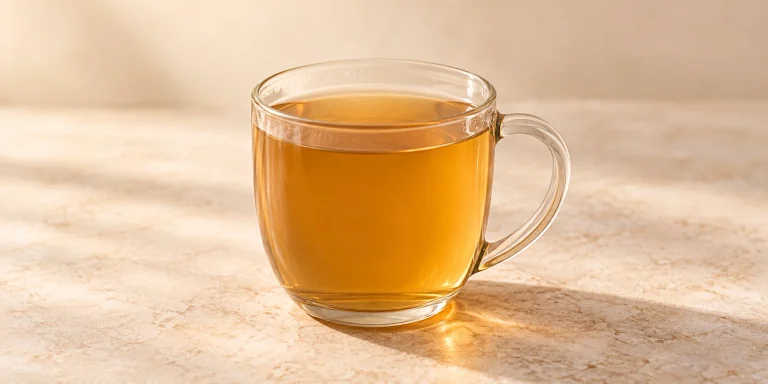
Tila with Chamomile, Lavender and Honey
Tila and chamomile with a drop of lavender and a spoonful of honey: a floral, caffeine-free cup for the last hour of the day.

Iced Tila Lemonade with Honey
Cold-brewed tila blended with fresh lemonade and honey: a floral, caffeine-free twist on the classic summer cooler.

Tila Honey Gin Fizz
A floral gin fizz with tila-honey syrup, fresh lemon, and soda: light, aromatic, and elegant enough for any evening.