
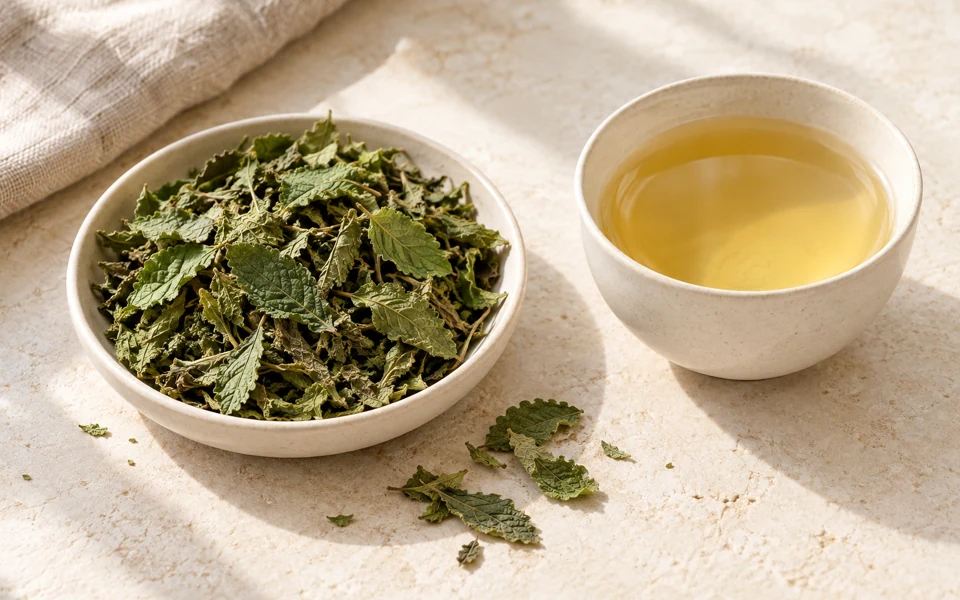
Lemon Balm
Herbal infusion
4.5/5 · FindMeTea score
About this tea
Lemon balm (Melissa officinalis) is a fragrant, lemon-scented herbal infusion — not a true tea — from the mint family, and there is no caffeine in the cup. The leaves carry rosmarinic acid along with the volatile oils citral and citronellal, which are what give the herb its lemon character. In the cup that reads as a mild citrus flavour with subtle herbaceous notes and almost no bitterness. Lemon balm has grown in European gardens since the Middle Ages, and its genus name comes from mélissa, the Greek word for honeybee: the flowers are a famous bee plant.
How to brew: 95°C, 5 min, 2 g per cup.
Caffeine
None
How to brew
Flavor notes
citrusy, smooth, fresh
Often associated with
Relaxation, Calm
Best time to enjoy
Evening, Mid-afternoon
Tags
Where to find it in United States
 Where to find it in United States
Near Columbus
- North Market SpicesOther Herbal infusion
Columbus · North Market, downtown
Spearmint, Crushed Leaves
from US$ 3.85· 1 oz
In storeOnline59 Spruce Street, Columbus, OH 43215See the shop → - Posh Teatime Co.Other Herbal infusion
Columbus · Franklinton, West Broad Street
Farmer's Market Fruit Blend
from US$ 16.95· 4 oz
In storeOnline1273 W Broad Street, Columbus, OH 43222See the shop → - The Random Tea RoomThis tea
Philadelphia · Northern Liberties
Lemon Balm
US$ 18· 6 oz
In storeOnline713 N 4th St, Philadelphia, PA 19123See the shop → - Sencha Tea BarOther Herbal infusion
Minneapolis · Uptown (also Madison, WI)
Rose Hips
from US$ 3.99· 2 oz
In storeOnline2601 Hennepin Ave S, Minneapolis, MN 55408See the shop → - Old City CoffeeOther Herbal infusion
Philadelphia · Old City · Reading Terminal Market
Hibiscus
US$ 11· 4 oz
In storeOnline221 Church St, Philadelphia, PA 19106See the shop →
Origin & Production
Lemon balm is native to the eastern Mediterranean and western Asia, thriving in the temperate climates of southern Europe, Turkey, and Iran. It has naturalized across much of Europe and is now commercially cultivated in France, Germany, Italy, Bulgaria, and the United States. The plant prefers well-drained, fertile soils and partial shade, growing vigorously in gardens and wild meadows throughout its range.
Production process
Cultivation
Lemon balm is grown from seed or propagated by root division in spring. It thrives in partial shade with regular watering, reaching 30–70 cm in height.
Harvest
Leaves are harvested just before flowering (June–August), when essential oil content — including citral, citronellal, and rosmarinic acid — is at its peak.
Drying
Freshly cut leaves are dried at low temperatures (below 35°C) in well-ventilated shade to preserve volatile oils and the bright green color.
Cutting & packaging
Dried leaves are gently cut to a consistent size for infusion, then stored in airtight containers away from light to maintain aroma and potency.
- Free
- Sundays
- 2 min
Drink better tea, one Sunday at a time.
A fact for the table·A shop worth the trip·A better cup·Ritual & kit of the week·Tea fun facts
History & Tradition
Lemon balm has been written about for more than two thousand years, from the Greek botanists through the medieval monastery garden to the herbal monographs of modern Europe.
Theophrastus & Greek herbalism
The Greek botanist Theophrastus documented lemon balm as 'melissophyllon' (bee leaf), noting its ability to attract bees — the genus name Melissa comes from the Greek word for honeybee.
Pliny & Dioscorides
Roman naturalist Pliny the Elder and Greek physician Dioscorides both recommended lemon balm infusions for scorpion stings, dog bites, and melancholy.
Carmelite Water
The Carmelite friars of the rue de Vaugirard in Paris began producing 'Eau de Mélisse des Carmes', a lemon balm spirit built on a recipe of more than a dozen herbs and spices. They made it until 1832; the recipe passed to the Boyer family in 1838, and it is still produced under that name today.
London Dispensatory
The London Dispensatory praised lemon balm, stating it 'causeth the mind and heart to become merry' and recommended it for strengthening memory and sharpening understanding.
On the European record
The European Medicines Agency published its monograph on melissa leaf in 2013, placing the herb among traditional herbal medicinal products and listing herbal tea among the preparations it covers.
What's in the cup
Caffeine-free by nature
Lemon balm is an infusion of leaves from a mint-family plant, not from Camellia sinensis, so there is no caffeine in the cup at any steeping time or strength.
Where the lemon comes from
There is no lemon in lemon balm. The scent comes from the leaf's own volatile oils — mainly citral and citronellal — which are also what makes the herb fade fastest of all: dried lemon balm loses its aroma within months, so buy it in small amounts and keep it sealed.
The bee plant of the monastery garden
The genus name Melissa is the Greek word for honeybee. Pliny and Virgil both wrote about rubbing the leaves inside a hive to draw a swarm to it, and beekeepers still do it. The same plant became a fixture of the medieval monastery garden and, later, of the Carmelite still room.
What the regulator actually says
The European Medicines Agency lists melissa leaf as a traditional herbal medicinal product, and herbal tea is among the preparations it covers. Its 2013 monograph is explicit about what that category means: the conclusions are based on long-standing use, and of the single clinical study reviewed the agency notes that shortcomings in the design prevented any firm conclusions being drawn.
Source: European Medicines Agency (2013)
How to keep the aroma
Because everything good about lemon balm is volatile, treat it accordingly: brew it covered so the aromatics condense back into the cup instead of leaving with the steam, and keep the water just off the boil. Fresh leaves from a pot on the windowsill will always beat a year-old packet.
This isn't medical advice. If you have a specific condition, or you are pregnant or taking medication, check with a healthcare provider.
- Free
- Sundays
- 2 min
Drink better tea, one Sunday at a time.
A fact for the table·A shop worth the trip·A better cup·Ritual & kit of the week·Brew better
Grades & Varieties
Dried whole leaf
Whole or lightly broken dried leaves preserving the full essential oil profile. Produces a golden-green infusion with the most aromatic, complex citrus flavor.
Best for
- ✓Hot infusion (standalone)
- ✓Evening relaxation ritual
- ✓Blending with chamomile
Cut & sifted
Leaves cut into uniform small pieces for faster brewing and consistent strength. Slightly less aromatic than whole leaf but more practical for daily use and tea bags.
Best for
- ✓Daily tea bags
- ✓Iced herbal infusions
- ✓Herbal blends
Fresh leaf
Freshly picked leaves straight from the garden, offering the brightest citrus aroma and highest volatile oil content. Must be used immediately or within a few days.
Best for
- ✓Garden-to-cup infusions
- ✓Culinary garnish
- ✓Cocktail and mocktail infusions
Did you know?
Lemon balm's genus name Melissa means "honey bee" in Greek because the flowers attract bees; it has been used in herbal medicine since at least A.D. 60.
Foods with this tea
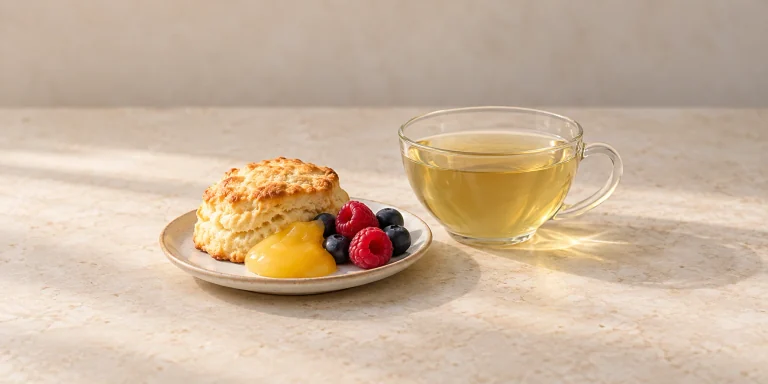
What to Eat with Lemon Balm Tea
Lemon balm's gentle citrus and herbal sweetness pair beautifully with light pastries, fresh fruit, mild cheeses, and delicate salads.
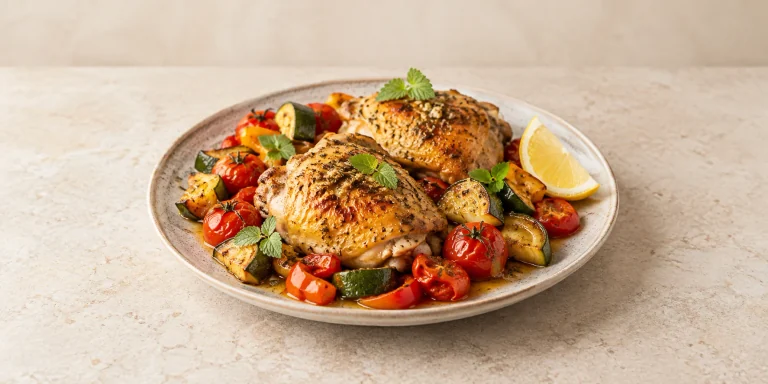
Lemon Balm Chicken with Roasted Vegetables
Tender chicken thighs marinated in lemon balm tea, garlic, and olive oil, roasted alongside seasonal vegetables for a fragrant, herbal dinner.
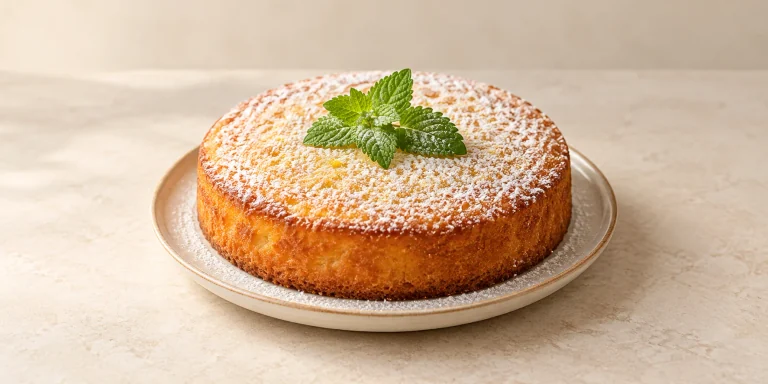
Lemon Balm Honey Cake
A moist, fragrant cake infused with lemon balm tea and wildflower honey—delicate, citrusy, and perfect with a cup of melisa.
- Free
- Sundays
- 2 min
Drink better tea, one Sunday at a time.
A fact for the table·A shop worth the trip·A better cup·Ritual & kit of the week·Tea recipes & drinks
Drinks with this tea
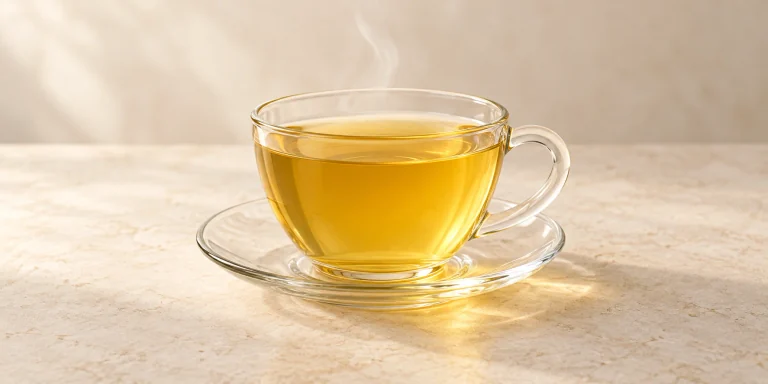
Lemon Balm with Lavender, Chamomile and Honey
Lemon balm steeped with lavender buds and chamomile at 90°C, with raw honey and a squeeze of lemon: citrusy, floral and caffeine-free.
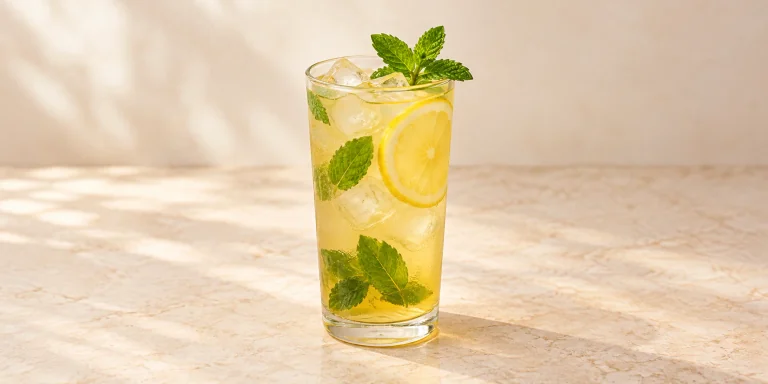
Iced Lemon Balm Mint Lemonade
Cold-brewed lemon balm tea blended with fresh mint and lemon for a caffeine-free, herbal twist on classic lemonade.
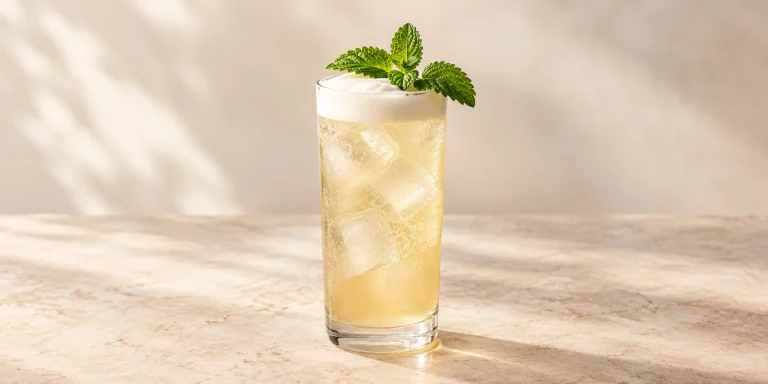
Lemon Balm Gin Fizz
A bright, botanical cocktail where lemon balm-infused gin meets fresh lemon and sparkling water for a fizzy, garden-fresh sip.