
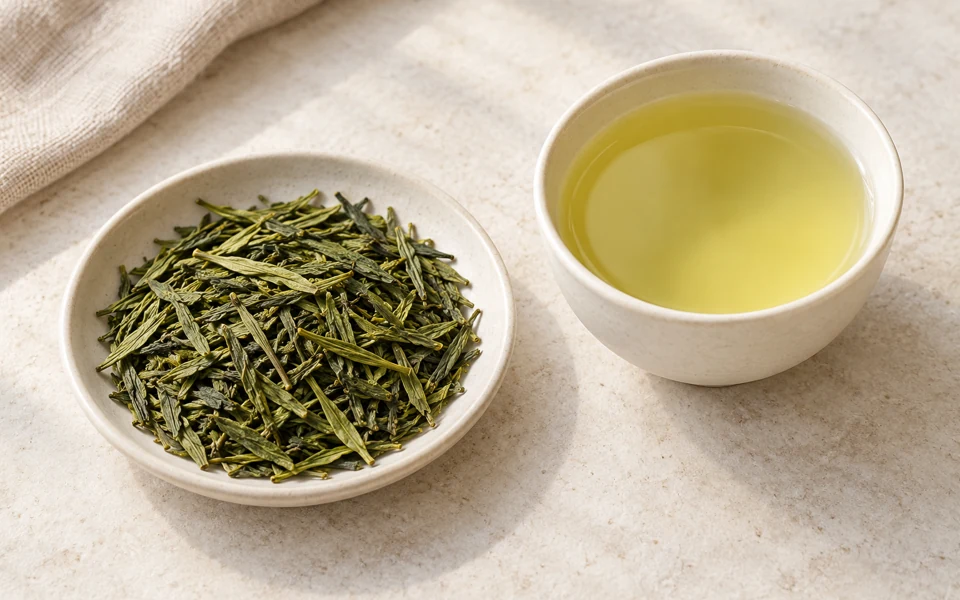
Citrus Green Tea
Green tea
4.4/5 · FindMeTea score
About this tea
Citrus green tea is a refreshing blend that marries the clean, vegetal character of green tea with the bright, zesty aroma and flavor of citrus — typically lemon, orange, bergamot, or yuzu peel and oils. This versatile blend category combines the antioxidant power of green tea catechins with the vitamin C and limonene found in citrus fruits, creating a tea that is as healthful as it is invigorating. Whether served hot on a cold morning or iced on a summer afternoon, citrus green tea is one of the most popular flavored green teas worldwide.
How to brew: 80°C, 2 min, 2 g per cup.
Caffeine
Medium
How to brew
Flavor notes
citrusy, fresh, sweet
Often associated with
Refreshing, Gentle focus
Best time to enjoy
Mid-morning, Early afternoon
Tags
Where to find it in United States
 Where to find it in United States
Near Columbus
- Posh Teatime Co.Other Green tea
Columbus · Franklinton, West Broad Street
Jasmine Pearl Green Tea
from US$ 14.95· 4 oz
In storeOnline1273 W Broad Street, Columbus, OH 43222See the shop → - Jayida Ché Herbal Tea SpotSimilar
Atlanta · East Lake (Fayetteville Rd)
Citrus Green (green tea, citrus, mint)
from US$ 11· 1 oz
In storeOnline566 Fayetteville Rd, Atlanta, GA 30316See the shop → - Similar
Soulard Spice Shop
St Louis · Soulard Farmers Market
Mandarin Orange Green
from US$ 3.50· 2 oz
In storeOnlineWebsite: stores.soulardspiceshop.com
- Similar
Curio Spice Co.
Boston · Downtown (Boston Public Market)
Yuzu Rose Green Tea
US$ 17.95· 3.25 oz
In storeOnlineWebsite: curiospice.com
- The Head NutOther Green tea
Philadelphia · Reading Terminal Market
Pinhead Gunpowder China Green Tea
from US$ 1.99· 1 oz
In storeOnline51 N 12th St, Philadelphia, PA 19107See the shop →
Origin & Production
Citrus green tea is a blended category rather than a single-origin tea. The green tea base may come from China (pan-fired), Japan (steamed), or Sri Lanka, depending on the blender. The citrus component varies by region: European blenders favor bergamot (as in green Earl Grey) and lemon; Japanese producers use yuzu; and American specialty brands often combine multiple citrus peels. The artistry lies in balancing the citrus intensity so it complements rather than overwhelms the green tea.
Production process
Green tea base selection
Blenders select a green tea with a mild, smooth profile that will harmonize with citrus. Chinese pan-fired teas (like dragonwell or bi luo chun) and light Japanese sencha are popular choices for their clean, non-bitter character.
Citrus preparation
Citrus peel is dried and cut into small pieces, or cold-pressed citrus essential oils are extracted. For bergamot blends, the oil of Citrus bergamia from Calabria, Italy is the gold standard. Lemon and orange peels are typically sun-dried.
Scenting or blending
The green tea is either sprayed with citrus oil and tumbled to distribute evenly, or directly blended with dried citrus peel pieces. Some artisanal producers stuff tea inside whole dried citrus shells (as with Chinese xiao qing gan) for a deep, complex citrus infusion.
Quality control & packaging
The final blend is tested for aroma balance, flavor consistency, and visual appeal. Citrus oils are volatile, so proper packaging (airtight, opaque) is essential to preserve freshness and prevent the citrus notes from fading.
- Free
- Sundays
- 2 min
Drink better tea, one Sunday at a time.
A fact for the table·A shop worth the trip·A better cup·Ritual & kit of the week·Tea fun facts
History & Tradition
While citrus and tea have been combined for centuries in various cultures, the modern citrus green tea category emerged as specialty tea blending grew in the 20th century.
Earl Grey sets the precedent
The creation of Earl Grey tea — black tea scented with bergamot oil — establishes the tradition of citrus-scented teas in the West. This concept would later inspire green tea versions of the same idea.
Xiao Qing Gan in Guangdong
Chinese producers in Guangdong Province develop the practice of stuffing pu-erh inside dried mandarin orange shells (xiao qing gan), creating a traditional citrus tea with deep, complex flavor that remains popular today.
Specialty blending boom
As specialty tea shops proliferate in North America and Europe, 'green Earl Grey' and lemon-green tea blends become bestsellers. Blenders experiment with yuzu, blood orange, grapefruit, and exotic citrus combinations.
Iced & ready-to-drink era
Citrus green tea becomes one of the most popular flavors in the booming ready-to-drink (RTD) tea market. Brands like Ito En, Pure Leaf, and Honest Tea feature lemon and citrus green tea as flagship products.
What's in the cup
Double antioxidant action
Green tea EGCG combined with citrus flavonoids (hesperidin, naringenin) and vitamin C creates a synergistic antioxidant effect. Vitamin C has been shown to enhance the stability and absorption of green tea catechins.
Refreshing energy
The moderate caffeine from the green tea base (~25–35 mg per cup) provides a gentle lift, while the citrus aroma contains limonene, a compound shown to have mood-elevating and energizing aromatherapy effects.
Vitamin C boost
Citrus peel is rich in vitamin C, which supports immune function, collagen production, and iron absorption. The combination with green tea's own vitamin C content makes citrus green tea a meaningful source of this essential vitamin.
Cardiovascular support
Citrus flavonoids — especially hesperidin from orange peel — have been shown to improve blood vessel function and reduce inflammation. Combined with green tea catechins, they offer complementary cardiovascular benefits.
Mood & focus
L-theanine from the green tea promotes calm focus, while citrus aromatics (linalool, limonene) have been studied for their anxiolytic and mood-brightening properties — a natural combination for mental clarity.
- Free
- Sundays
- 2 min
Drink better tea, one Sunday at a time.
A fact for the table·A shop worth the trip·A better cup·Ritual & kit of the week·Brew better
Grades & Varieties
Green Earl Grey (bergamot)
Green tea scented with bergamot oil — the green tea equivalent of classic Earl Grey. Produces a sophisticated, floral-citrus cup with a slightly bitter, perfumed edge. Often made with Chinese green tea bases for a smoother result.
Best for
- ✓Earl Grey lovers exploring green tea
- ✓Afternoon tea
- ✓Hot serving
Lemon green tea
The most popular citrus green pairing — combining dried lemon peel or lemon oil with a mild green tea. Bright, tart, and refreshing with a clean finish. Excellent both hot and iced, and the most common citrus green tea found commercially.
Best for
- ✓Iced tea
- ✓Summer drinking
- ✓Everyday refreshment
Yuzu green tea
A Japanese-inspired blend using yuzu — a prized East Asian citrus with a complex aroma blending mandarin, lemon, and grapefruit. Produces a delicate, aromatic cup with unique floral-citrus depth that pairs beautifully with Japanese sencha.
Best for
- ✓Japanese food pairing
- ✓Specialty tea experience
- ✓Aromatic hot tea
Orange & spice green tea
A warming blend combining green tea with dried orange peel and spices like cinnamon or ginger. Popular during autumn and winter, this variation offers a rich, spiced citrus profile that works well with honey.
Best for
- ✓Cold weather drinking
- ✓With honey or sweetener
- ✓Cozy evening tea
Did you know?
Citrus green tea blends green tea with citrus notes for a refreshing, slightly sweet cup; green tea and citrus both boast antioxidants.
Foods with this tea
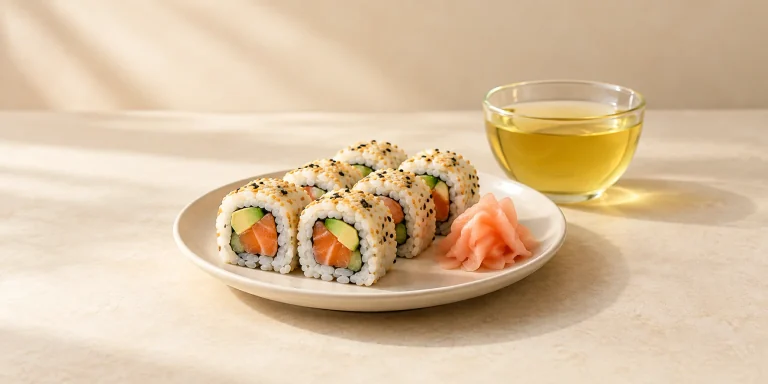
What to Eat with Citrus Green Tea
Citrus green tea's bright lemon-orange notes pair beautifully with light seafood, fresh salads, and delicate pastries that echo its sunny, refreshing character.
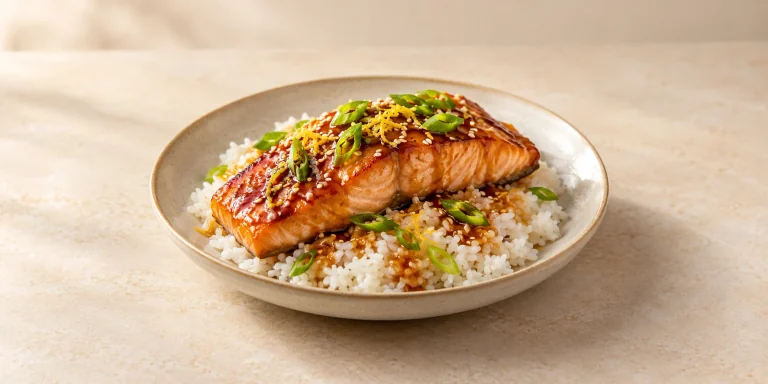
Citrus Green Tea Salmon with Orange-Ginger Glaze
Salmon fillets marinated in citrus green tea and glazed with orange and ginger—light, bright, and packed with flavor.
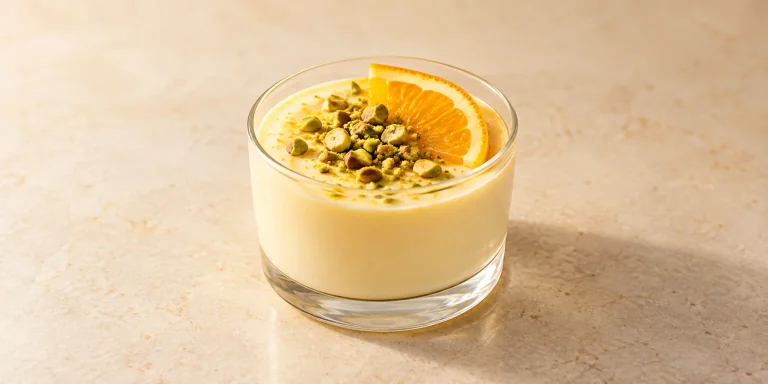
Citrus Green Tea Lemon Posset
A silky lemon posset infused with citrus green tea—three ingredients, zero gelatin, and a bright, creamy dessert that sets like magic.
- Free
- Sundays
- 2 min
Drink better tea, one Sunday at a time.
A fact for the table·A shop worth the trip·A better cup·Ritual & kit of the week·Tea recipes & drinks
Drinks with this tea

Citrus Green Tea with Ginger, Honey and Cayenne
Citrus green tea steeped with grated ginger, raw honey, and a pinch of cayenne: bright, warming, and with a slow heat at the end.

Citrus Green Tea Lemonade
Cold-brewed citrus green tea meets fresh lemonade and a hint of orange blossom water—the ultimate bright, refreshing summer cooler.

Citrus Green Tea Gin Fizz
A sparkling gin fizz built on citrus green tea, fresh lemon, and a float of orange liqueur—bright, botanical, and irresistibly refreshing.