
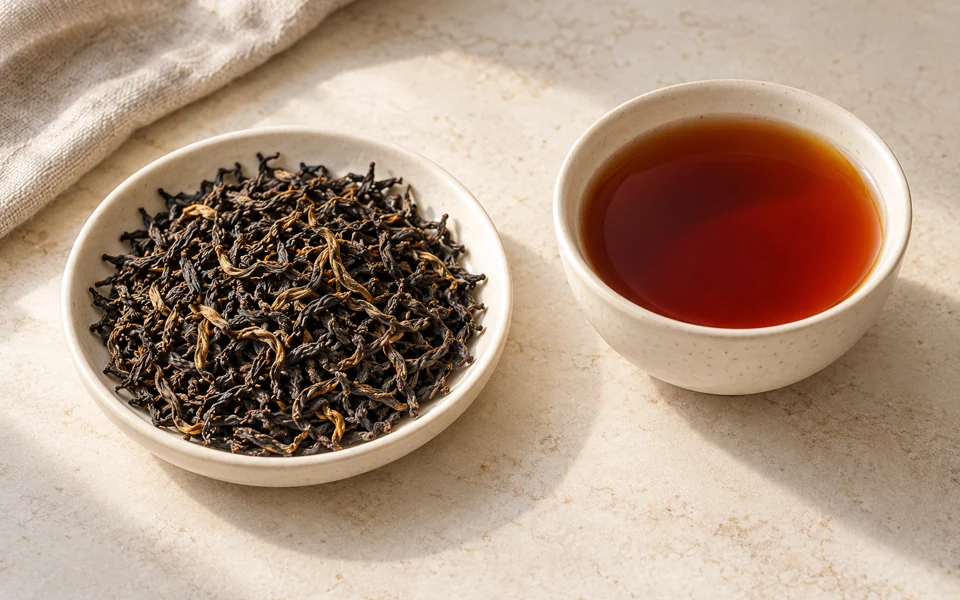
Assam
Black tea
4.5/5 · FindMeTea score
About this tea
Assam tea is a bold, malty, and full-bodied black tea from the Brahmaputra River valley of northeastern India — the world's single largest contiguous tea-growing region. Made from the native Camellia sinensis var. assamica, a broad-leaved variety that thrives in tropical lowland conditions, Assam produces deeply colored, rich infusions with a distinctive malty sweetness. It forms the backbone of nearly every English and Irish Breakfast blend and is the most widely consumed tea variety in India's beloved chai.
How to brew: 95°C, 4 min, 2.5 g per cup.
Caffeine
High
How to brew
Flavor notes
malty, sweet, full-bodied
Often associated with
Energy, Warmth
Best time to enjoy
Morning, Mid-morning
Tags
Where to find it in United States
 Where to find it in United States
Near Columbus
- North Market SpicesOther Black tea
Columbus · North Market, downtown
Lapsang Souchong
from US$ 11· 2 oz
In storeOnline59 Spruce Street, Columbus, OH 43215See the shop → - Posh Teatime Co.Other Black tea
Columbus · Franklinton, West Broad Street
English Breakfast Tea Sachets
from US$ 9.95· 10 sachets
In storeOnline1273 W Broad Street, Columbus, OH 43222See the shop → - Chado Tea RoomThis tea
Los Angeles · Downtown (Little Tokyo) and Hollywood; also Pasadena, Torrance
Assam TGFOP
US$ 9.88· 4 oz
In storeOnline369 East 1st StreetSee the shop → - The Head NutThis tea
Philadelphia · Reading Terminal Market
Assam Satrupa Black Tea
from US$ 2.99· 1 oz
In storeOnline51 N 12th St, Philadelphia, PA 19107See the shop → - Urban TeahouseThis tea
Oklahoma City · Uptown 23rd, 23rd & Walker
Assam Reserve
from US$ 9.72· 3 oz
In storeOnline519 NW 23rd St Suite 107, Oklahoma City, OK 73103See the shop →
Origin & Production
The Assam tea region stretches along both banks of the Brahmaputra River in northeastern India, spanning over 300 kilometers at near sea-level elevation (45–120 meters). Upper Assam around Dibrugarh and Tinsukia produces the finest single-origin teas, while Lower Assam around Nagaon and Darrang yields the bulk production used in blending. The monsoon climate — with heavy rainfall (2,500–3,000 mm annually), high humidity, and temperatures between 20–35°C — creates ideal conditions for the assamica tea plant.
Production process
Plucking
Two leaves and a bud are machine- or hand-plucked during the growing season (March–November), with the second flush (May–June) yielding the most prized 'tippy' golden leaves.
Withering
Fresh leaves are withered for 12–18 hours on troughs with warm air flow, reducing moisture by 60–70% and softening them for processing.
CTC or orthodox rolling
Most Assam is processed via CTC (Crush, Tear, Curl) machines that produce small, uniform granules ideal for tea bags. Orthodox rolling produces larger, twisted leaves for premium grades.
Full oxidation
Assam teas are fully oxidized for 2–4 hours in humid, temperature-controlled rooms, developing their characteristic deep copper-red color and malty flavor.
Firing & sorting
Leaves are fired at 90–95°C to halt oxidation, then sorted by size into grades: whole-leaf FTGFOP, broken BOP, fannings, and dust.
- Free
- Sundays
- 2 min
Drink better tea, one Sunday at a time.
A fact for the table·A shop worth the trip·A better cup·Ritual & kit of the week·Tea fun facts
History & Tradition
The discovery of tea growing wild in Assam changed the course of the global tea trade, breaking China's centuries-old monopoly and launching India as the world's largest tea producer.
Robert Bruce's discovery
Scottish adventurer Robert Bruce encountered wild tea plants growing in Upper Assam's jungles, guided by Singpho tribal chief Bessa Gam. He collected samples but died before they could be scientifically analyzed.
First Assam tea shipped to London
The East India Company's Tea Committee shipped the first batch of Assam tea to London, where it was sold at auction on 10 January 1839 — marking the birth of the Indian tea industry.
Plantation boom
British planters rapidly expanded tea gardens across the Brahmaputra valley. By 1870, Assam had over 300 tea estates, producing thousands of tons annually.
CTC revolution
The adoption of CTC processing machines transformed Assam production, enabling the fast-brewing, strong tea that would dominate tea bags and Indian chai stalls worldwide.
What's in the cup
Top of the caffeine scale
Assam var. assamica sits at level 3 of 3 on our caffeine scale, the top step, which is why breakfast blends are built on it. Our catalogue brews it at 95 °C for 4 minutes with 2.5 g per cup; go shorter if you drink it without milk.
Theaflavins, as composition
Full oxidation turns the leaf's catechins into theaflavins and thearubigins, the compounds behind the coppery colour, the malty depth and the briskness that stands up to milk. We list them here as what is in the cup, not as what the cup does.
Built for the morning
Assam contains caffeine and the amino acid L-theanine, like every Camellia sinensis tea; what that pairing does for you is not something we claim. What we can say is custom: with a body that takes milk and sugar and caffeine at the top of our scale, it is the tea most breakfast cups are made of.
- Free
- Sundays
- 2 min
Drink better tea, one Sunday at a time.
A fact for the table·A shop worth the trip·A better cup·Ritual & kit of the week·Brew better
Grades & Varieties
FTGFOP (Finest Tippy Golden Flowery Orange Pekoe)
The highest orthodox grade — whole leaves with abundant golden tips, producing a smooth, malty cup with honey-like sweetness and minimal astringency. The pinnacle of Assam quality.
Best for
- ✓Drinking straight
- ✓Single-origin appreciation
- ✓Collectors
BOP (Broken Orange Pekoe)
Smaller broken leaves that brew a strong, full-bodied, deeply colored cup quickly. The standard grade for premium loose-leaf Assam blends.
Best for
- ✓Strong morning tea
- ✓With milk and sugar
- ✓Loose-leaf brewing
CTC (Crush, Tear, Curl)
Machine-processed into small, uniform pellets that brew extremely quickly and produce a very strong, dark cup. The dominant grade for tea bags and Indian masala chai.
Best for
- ✓Tea bags
- ✓Masala chai
- ✓Quick strong brew with milk
Did you know?
Assam tea comes from Camellia sinensis var. assamica; the Singpho tribe had been cultivating it for centuries before Robert Bruce "discovered" it in 1823.
Foods with this tea
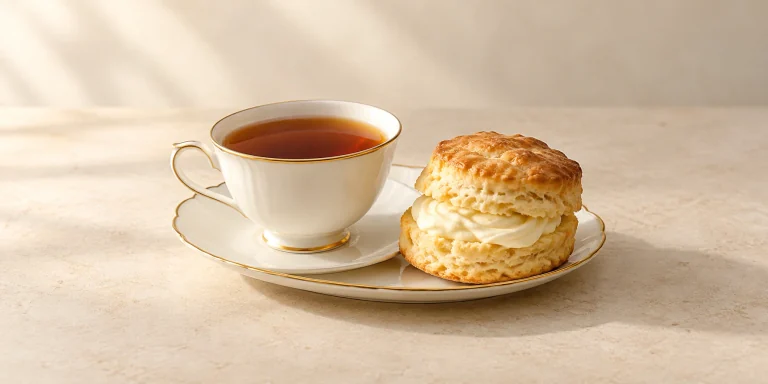
What to Eat with Assam Tea
Assam's bold, malty body loves hearty companions—think full English breakfasts, spiced pastries, and rich cheeses that stand up to its brisk tannins.
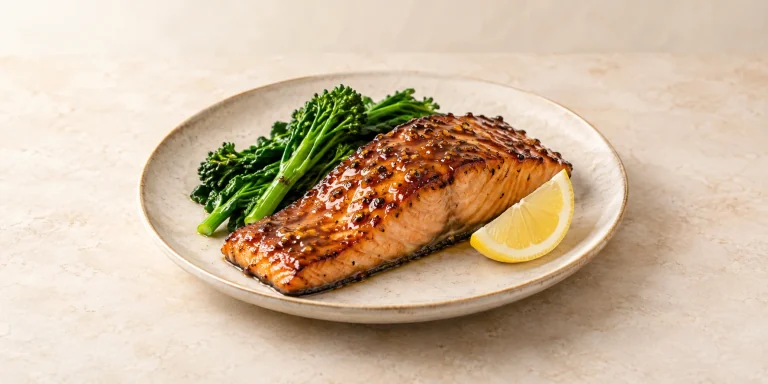
Assam Tea-Smoked Salmon with Mustard Glaze
Salmon fillets smoked with Assam tea leaves take on a deep, malty aroma, then finished with a honey-mustard glaze for a showstopping main course.
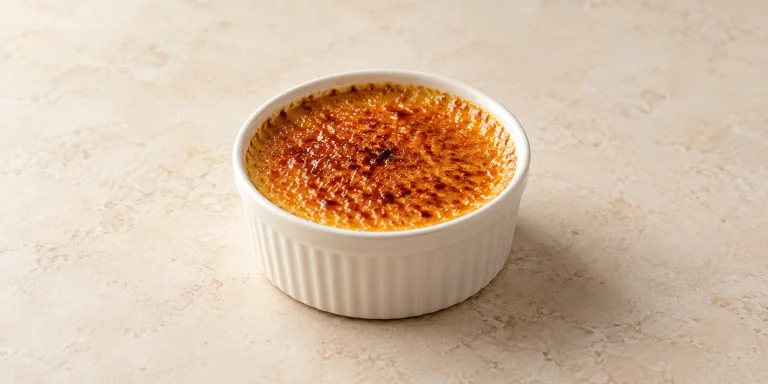
Assam Chai Spiced Crème Brûlée
A velvety crème brûlée infused with Assam tea and warm chai spices—cracked sugar on top, pure malty comfort underneath.
- Free
- Sundays
- 2 min
Drink better tea, one Sunday at a time.
A fact for the table·A shop worth the trip·A better cup·Ritual & kit of the week·Tea recipes & drinks
Drinks with this tea
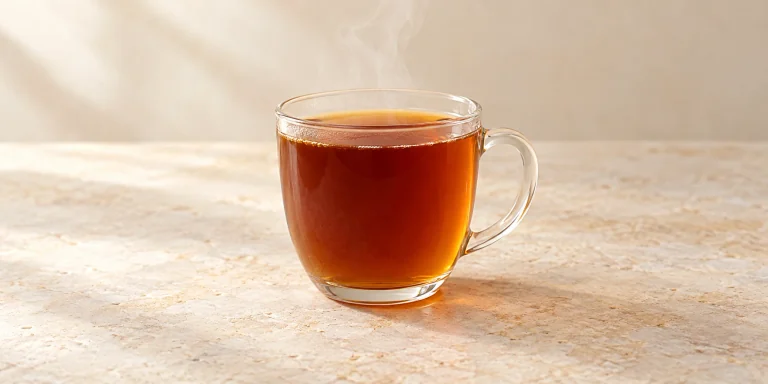
Assam with Fresh Ginger, Honey and Lemon
Strong Assam brewed over a ginger decoction and finished with raw honey and a squeeze of lemon: malty, spicy and warming.
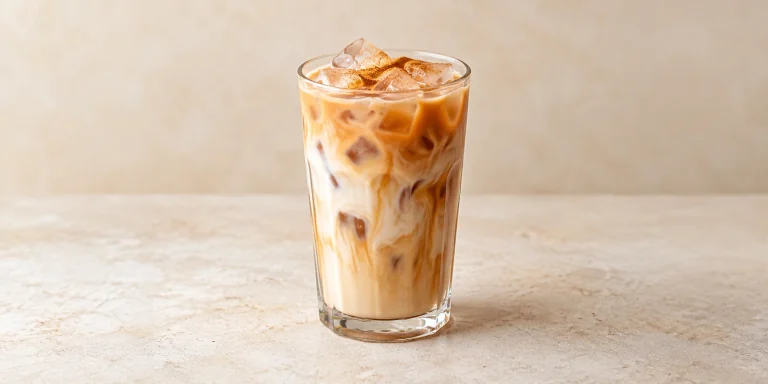
Creamy Assam Iced Chai Latte
A bold Assam concentrate shaken with ice, milk, and a touch of vanilla—a creamy, spiced iced latte that beats any coffee shop version.

Assam Old Fashioned
Bourbon infused with Assam tea, stirred with brown sugar and Angostura bitters—a malty, smoky twist on the ultimate classic cocktail.