
Sencha
Green tea
4.7/5 · FindMeTea score
About this tea
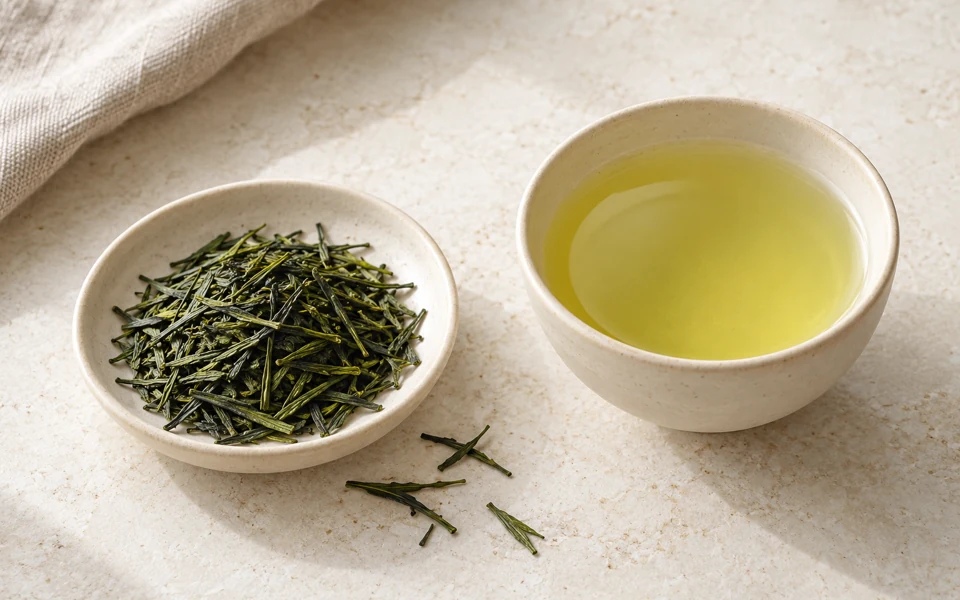
Sencha is Japan's most popular green tea, accounting for roughly half (~50–55%) of all tea produced in the country. Distinguished by its vibrant green needle-shaped leaves and refreshing balance of vegetal sweetness with mild astringency, sencha is steamed shortly after harvest to halt oxidation — a uniquely Japanese technique that preserves its bright color and clean, grassy flavor. From casual daily drinking to refined single-origin tastings, sencha is the everyday heart of Japanese tea culture.
How to brew: 75°C, 1.5 min, 2 g per cup.
Caffeine
Medium
How to brew
Flavor notes
vegetal, sweet, fresh
Often associated with
Calm alertness, Gentle focus
Best time to enjoy
Mid-morning, Early afternoon
Tags
Where to find it in United States
 Where to find it in United States
Near Columbus
- Posh Teatime Co.Other Green tea
Columbus · Franklinton, West Broad Street
Jasmine Pearl Green Tea
from US$ 14.95· 4 oz
In storeOnline1273 W Broad Street, Columbus, OH 43222See the shop → - The Head NutThis tea
Philadelphia · Reading Terminal Market
Japanese Sencha Green Tea
from US$ 2.25· 1 oz
In storeOnline51 N 12th St, Philadelphia, PA 19107See the shop → - Old City CoffeeThis tea
Philadelphia · Old City · Reading Terminal Market
Sencha Green
US$ 11· 4 oz
In storeOnline221 Church St, Philadelphia, PA 19106See the shop → - Chado Tea RoomThis tea
Los Angeles · Downtown (Little Tokyo) and Hollywood; also Pasadena, Torrance
Sencha
US$ 12.88· 4 oz
In storeOnline369 East 1st StreetSee the shop → - Chado Tea Room – South BayThis tea
Torrance · Old Torrance (El Prado Avenue)
Sencha
US$ 12.88· 4 oz
In storeOnline1303 El Prado Avenue, Torrance, CA 90501See the shop →
Origin & Production
Sencha is cultivated across Japan, with Shizuoka Prefecture producing nearly 40% of the national crop thanks to its temperate climate and Mt. Fuji's volcanic soil. Kagoshima in southern Kyushu is the second-largest producing region, known for early harvests due to its warm climate. Uji in Kyoto Prefecture, while producing smaller volumes, is revered for its centuries-old tea heritage and premium single-origin sencha.
Production process
Harvest
The first flush (shincha/ichibancha) in late April to May yields the most prized leaves, rich in amino acids after winter dormancy. Later flushes (nibancha, sanbancha) produce progressively more astringent teas.
Steaming
Freshly harvested leaves are steamed within hours to halt oxidation. Steaming duration defines the character: light steaming (asamushi, ~30 seconds), medium (chumushi, ~60 seconds), or deep steaming (fukamushi, 60–120 seconds).
Rolling & shaping
Steamed leaves are rolled multiple times to break down cell walls and release juices, then shaped into the characteristic tight, needle-like form that defines sencha's appearance.
Drying
Rolled leaves are dried to approximately 5% moisture content, locking in flavor and enabling long shelf stability. The final product has a deep green color and a clean, fresh aroma.
- Free
- Sundays
- 2 min
Drink better tea, one Sunday at a time.
A fact for the table·A shop worth the trip·A better cup·Ritual & kit of the week·Tea fun facts
History & Tradition
Sencha revolutionized Japanese tea culture by making high-quality green tea accessible to everyone — not just monks and aristocrats who drank powdered matcha.
Nagatani Soen invents sencha
Nagatani Soen, a tea farmer from Uji, develops the uji method of steaming, rolling, and drying green tea leaves — creating the sencha we know today and making leaf tea accessible to common people.
Yamamoto Kahei refines gyokuro
Building on sencha techniques, Yamamoto Kahei VI develops gyokuro by shade-growing leaves before harvest. This innovation further elevated the art of Japanese leaf tea.
Shizuoka becomes Japan's tea capital
With the opening of Shimizu Port for international trade, Shizuoka Prefecture expands tea production dramatically, becoming Japan's largest sencha-producing region — a position it holds today.
Fukamushi sencha is developed
Tea producers in Makinohara, Shizuoka, develop deep-steamed (fukamushi) sencha to create a richer, smoother cup from leaves that were too coarse for traditional light steaming.
What's in the cup
Rich in catechins
Sencha is grown in full sun, and sun-grown leaves carry more catechins, EGCG among them, than shaded teas like gyokuro. Those catechins are a large part of sencha's brisk, slightly bitter edge.
Caffeine and L-theanine
Sencha sits at level 2 on our caffeine scale and also contains L-theanine, the amino acid behind much of its savory, umami side. First-flush leaves, sold as shincha, are the sweetest and most savory of the year.
Steamed, not pan-fired
Japanese green teas are steamed right after picking, which stops oxidation and keeps the leaf's deep green color and its grassy, marine notes. Chinese green teas are usually pan-fired instead, which is why they tend to taste nuttier.
Water at 75 °C
Brew 2 g per cup at 75 °C for about 90 seconds. Hotter water pulls the catechins out fast and the cup turns bitter; cooler water and a short steep keep it sweet and grassy.
Japan's everyday green tea
Sencha is the everyday green tea of Japan and the majority of the tea the country produces, which is why the word covers everything from supermarket bags to prized first-flush leaf.
- Free
- Sundays
- 2 min
Drink better tea, one Sunday at a time.
A fact for the table·A shop worth the trip·A better cup·Ritual & kit of the week·Brew better
Grades & Varieties
Fukamushi (deep-steamed)
Steamed for 60–120 seconds, producing a rich, full-bodied cup with a deep green, slightly cloudy liquor. The leaves break down more, creating smaller particles that deliver intense flavor and color.
Best for
- ✓Daily drinking
- ✓Rich, smooth flavor preference
- ✓Shorter brewing times
Asamushi (light-steamed)
Steamed for approximately 30 seconds, retaining a more delicate, transparent pale-green liquor with nuanced vegetal notes. The leaves remain intact and elegant, offering a clean, refined taste.
Best for
- ✓Refined tasting sessions
- ✓Light, delicate flavor preference
- ✓Multiple infusions
Chumushi (medium-steamed)
Steamed for about 60 seconds — the middle ground that balances the delicacy of asamushi with the body of fukamushi. The most common style, offering a well-rounded cup with good color and balanced flavor.
Best for
- ✓All-purpose daily tea
- ✓Balanced flavor profile
- ✓Introduction to sencha
Did you know?
Sencha was invented in 1738 by Nagatani Soen, who spent 15 years perfecting a steaming method so ordinary people could enjoy quality green tea; it now represents about half of all tea produced in Japan.
Foods with this tea
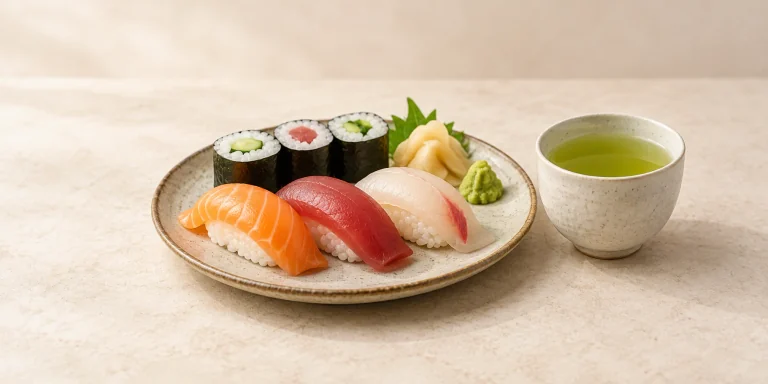
What to Eat with Sencha Green Tea
Sencha's grassy, umami-rich character pairs beautifully with light Japanese dishes, seafood, and delicate flavors that let its vegetal sweetness shine.
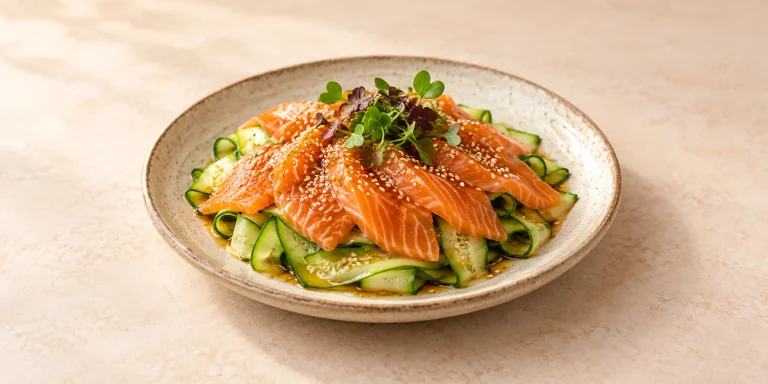
Sencha-Cured Salmon with Cucumber and Sesame
Fresh salmon cured with sencha tea, soy, and ginger becomes silky and fragrant—served over crisp cucumber with a toasted sesame drizzle.
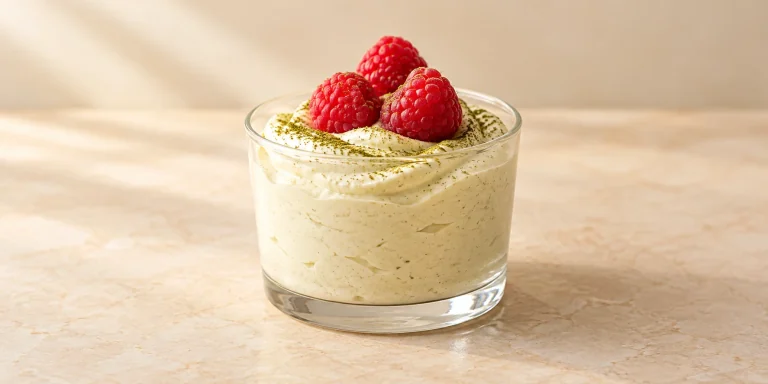
Sencha White Chocolate Mousse
A cloud-light mousse infused with sencha green tea and white chocolate—grassy, creamy, and surprisingly delicate.
- Free
- Sundays
- 2 min
Drink better tea, one Sunday at a time.
A fact for the table·A shop worth the trip·A better cup·Ritual & kit of the week·Tea recipes & drinks
Drinks with this tea

Sencha with Fresh Ginger, Lemon and Honey
Sencha brewed at 75°C with finely grated fresh ginger, lemon juice and a spoon of honey—grassy, sharp and bright.

Iced Sencha Yuzu Lemonade
Cold-brewed sencha meets bright yuzu and a hint of honey for a citrusy, grassy summer cooler that's impossibly refreshing.

Sencha Gin Fizz
A botanical gin fizz elevated with sencha-infused gin, fresh lime, and sparkling water—herbaceous, bright, and effortlessly cool.